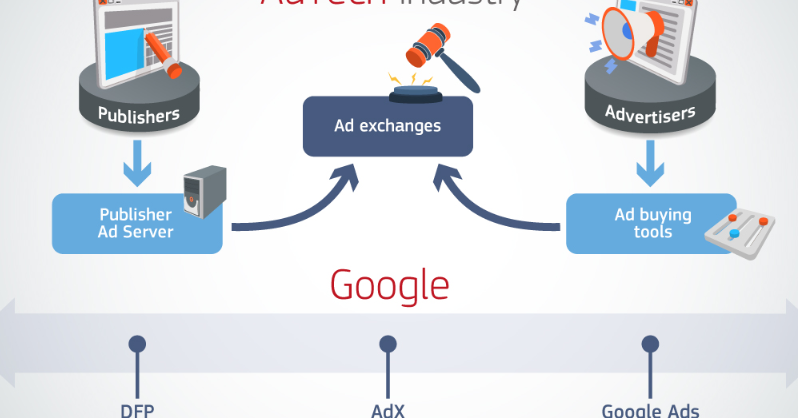
 Publishers – already under financial pressure from soaring costs, falling advertising revenues, the decline of print and the wider trend of readers turning away from news – argue that they are effectively being forced by Google to either accept deals, including on how content is used in AI Overview and AI Mode, or “drop out of all search results”, according to several sources.
Source: ‘Existential crisis’: how Google’s shift to AI has upended the online news model
 OpenAI wants to prove that generative artificial intelligence can make movies faster and cheaper than Hollywood does today. The startup is lending its tools and computing resources to the creation of a feature-length animated movie made largely with AI that is expected to be released in theaters globally next year.
 The federal judge overseeing Anthropic PBC’s proposed $1.5 billion copyright settlement is concerned class lawyers are striking a deal behind the scenes that will be forced “down the throat of authors.” Judge William Alsup at the hearing said the motion to approve the deal was denied without prejudice, but in a minute order after the hearing said approval is postponed pending submission of further clarifying information.
 Generative AI startup ProRata.ai has raised $40 million in Series B funding as it prepares to launch a new product for publishers. ProRata.ai’s product, Gist Answers, lets publishers embed custom AI search on their websites. Publishers can show AI-powered summaries and recommendations exclusively based off their own content or showcase content from ProRata.ai’s broader network of 750 publishers.