Google Hires Filmmaker in Residence as It Seeks Wider Adoption of Flow AI Video Tool

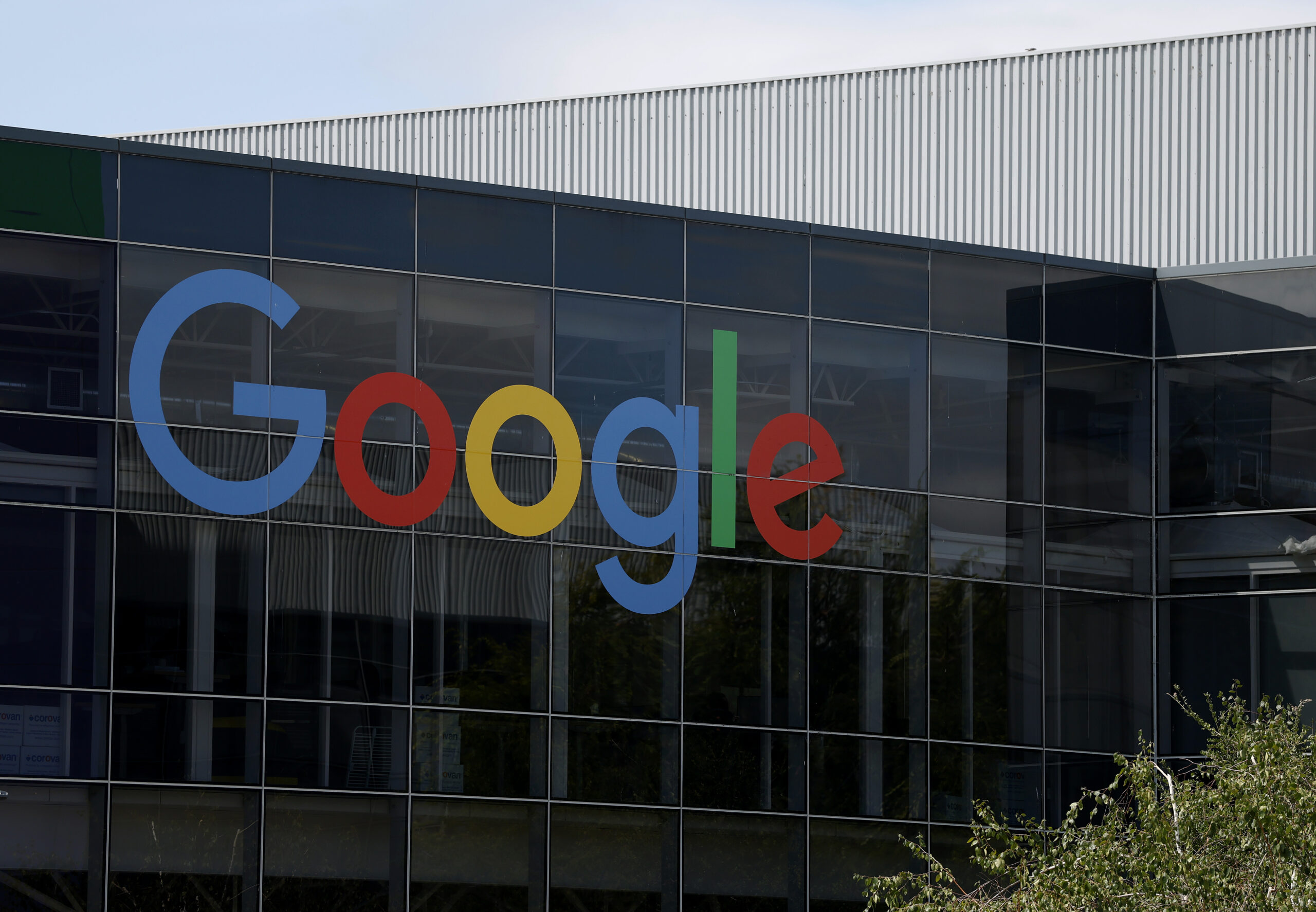
Google wants to see its generative AI video tool Flow gain a foothold among creatives, and is bringing a filmmaker in-house to help it do so. The tech giant says that it has brought on filmmaker and creative director Henry Daubrez to work as a filmmaker in residence at Google Labs, where he will create new content using the company’s tools, help shape Flow as a product, and mentor other filmmakers through what the company is calling Flow Sessions.

Source: Google Hires Filmmaker in Residence as It Seeks Wider Adoption of Flow AI Video Tool

Google Ruling Shows Antitrust Tools Struggle to Keep Up With Tech Markets

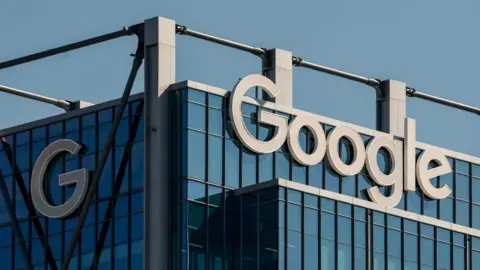
U.S. antitrust enforcers have spent years strategizing how to bring lawsuits against the nation’s biggest tech companies, with the goal of restraining their power and promoting competition. Tuesday’s ruling imposing light penalties on Google highlights fundamental challenges with that approach, even when a judge finds a company has engaged in illegal monopolization.


Source: Google Ruling Shows Antitrust Tools Struggle to Keep Up With Tech Markets

Duplicate Works, Diverted Royalties, and What the MLC Isn’t Catching

The Mechanical Licensing Collective was established to streamline digital mechanical royalty payouts.  But even well-intentioned systems can be designed in ways that introduce new risks. That includes the lack of recourse for rights holders and the roll-up of unmatched royalties based on market share. But the biggest issue is the ease with which the system can be manipulated.

Source: Duplicate Works, Diverted Royalties, and What the MLC Isn’t Catching – Digital Music News

Music Industry Must Work With AI Companies Rather Than Fight Them in Court: Charles Goldstuck

AI music is forcing a “high-stakes inflexion point” and presenting the greatest disruption to the legal underpinnings of the music industry’s economic model since Napster — but a revenue-halving overhaul and protracted, unpopular legal battles can be avoided if major music companies get out ahead of judges and lawmakers and negotiate with Suno, Udio and Anthropic, says industry veteran and investor Charles Goldstuck.

Source: Music Industry Must Work With AI Companies Rather Than Fight Them in Court: Charles Goldstuck

A let-off or tougher than it looks? What the Google monopoly ruling means

While most Wall Street analysts seemed to agree that Judge Mehta’s ruling was a major win for the tech industry, the judge did order some remedies that could make a difference, according to experts. For example, Google must share certain data with “qualified competitors” as deemed by the court. The judge will also allow certain competitors to display Google search results as their own in a bid to give them the time and resources they need to innovate.

Source: A let-off or tougher than it looks? What the Google monopoly ruling means

Reese Witherspoon Says Women Need to Be Involved in AI: It’s the ‘Future of Filmmaking’

Speaking to Glamour magazine to promote the upcoming fourth season of her Apple TV+ series “The Morning Show,” the Oscar winner said she has made it a priority in her career as a producer to always be “looking forward to how media is evolving and how I can help be part of bringing women along in those emerging industries. And now we’re doing it with AI.”

Source: Reese Witherspoon Says Women Need to Be ‘Involved in AI’ Because It’s the ‘Future of Filmmaking’: ‘You Can Lament It All You Want, but the Change Is Here’

Building a Universal Digital Library of All Books Faces Obstacles from Copyright Laws.

The quest to create a universal digital library of all books in the world is a testament to the power of technology and the desire for accessible knowledge. However, this ambitious goal is impeded by stringent copyright laws, which have led to significant legal challenges. Tech companies like Google and AI firms such as Anthropic have developed extensive digital text collections, some of which were sourced from shadow libraries like LibGen and Sci-Hub.

Source: Building a Universal Digital Library of All Books in the World Faces Obstacles from Copyright Laws.

French press take on digital databases to defend journalist copyright against AI

Two professional organisations representing 800 newspapers and magazines employing over half of journalists in France announced Monday that they are taking “coordinated action” against public datasets used to train generative artificial intelligence services, such as ChatGPT. The Apig, the general news medial alliance, and the Sepm, the magazine publisher’s union, aim to remove their members’ content from Common Crawl, C4 and Oscar.

Source: French press take on digital databases to defend journalist copyright against AI

Authors, Publishers Await Answers as Anthropic Hearing Approaches

New information has emerged in the class action lawsuit against AI company Anthropic which could limit the number of books included in the case—just days before the September 8 hearing in which the details of a settlement among the parties is expected to be released. “As a bright line rule,” the AAP observed, “any work published or registered after July 2022 is definitively outside the class, and for some works the cutoff is June 2021.”

Source: Authors, Publishers Await Answers as Anthropic Hearing Approaches

Nordic collecting societies shutter Polaris licensing hub over changing market demands

The organizations cited the need for bigger scale and international reach amid today’s “increasingly competitive, complex and scale-driven music ecosystem.” Koda, Teosto and Tono said: “[C]ooperation on a Nordic scale is no longer sufficient. The Board of Polaris Hub has accordingly decided to initiate a phased wind down of the venture in an orderly manner around the turn of 2025–2026.”

Source: Nordic collecting societies shutter Polaris licensing hub over changing market demands

Get the latest RightsTech news and analysis delivered directly in your inbox every week
We respect your privacy.