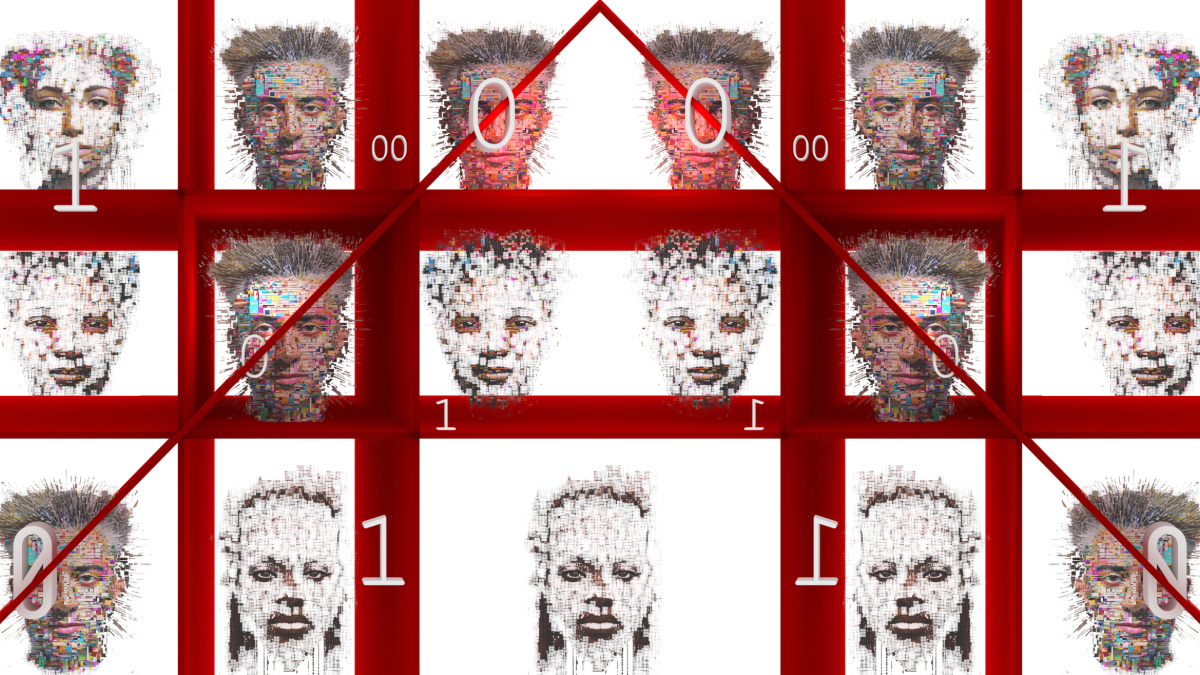
 Denmark wants to be at the forefront of a legal shift, both nationally and across the European Union. It began in June with the proposed amendments to its Copyright Act, which would grant individuals copyright over their own likenesses. This move challenges traditional legal frameworks, aiming to empower individuals against the misuse of their digital identities, particularly in the context of deepfakes.
Source: Denmark Leads EU Push to Copyright Faces in Fight Against Deepfakes | TechPolicy.Press

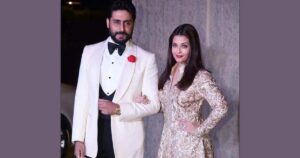 Abhishek Bachchan and his wife Aishwarya Rai Bachchan, known for her iconic Cannes Film Festival red carpet appearances, have asked a judge to remove and prohibit creation of AI videos infringing their intellectual property rights. But in a more far-reaching request, they also want Google ordered to have safeguards to ensure such YouTube videos uploaded anyway do not train other AI platforms, legal papers reviewed by Reuters show.
 New research from BrightEdge offers insights into how Google’s AI Overviews ranks websites across different verticals, with implications for what SEOs and publishers should be focusing on. The data shows that 54% of the AI Overviews citations matched the web pages ranked in the organic search results. This means that 46% of citations do not overlap with organic search results. Could this be an artifact of Google’s FastSearch algorithm?
 SAG-AFTRA has issued a statement condemning Tilly Norwood, the AI “actress” who has become a contentious subject in Hollywood after her creator, Eline Van der Velden, recently claimed that multiple talent agents were interested in signing the AI creation. “To be clear, ‘Tilly Norwood’ is not an actor, it’s a character generated by a computer program that was trained on the work of countless professional performers — without permission or compensation,” SAG-AFTRA wrote in a statement.