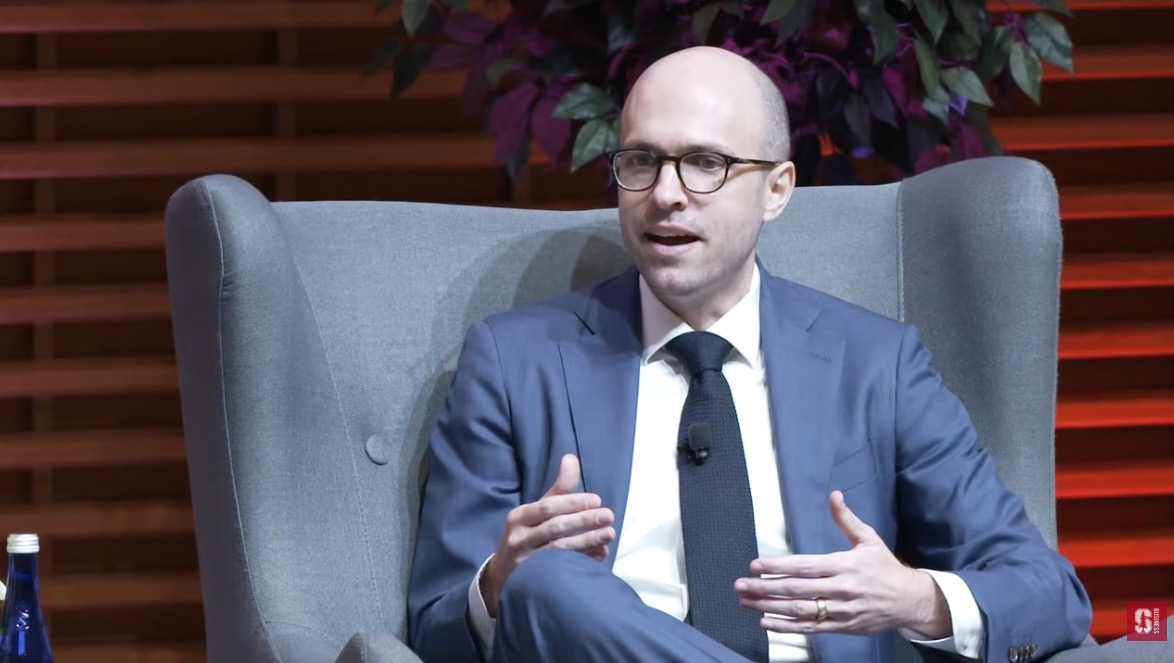
 A.G. Sulzberger argues journalism can survive AI—if facts can still be owned. At Stanford, the NYT publisher made the case against Silicon Valley. His message was direct. The New York Times sees itself as infrastructure. Its reporting underwrites trust across politics, markets, and public life. That work costs money, produces intellectual property, and deserves protection.
Source: NY Times Publisher: AI Is Using Our Reporting Without Paying For It
 Pipeline was launched by Matt Spetzler’s investment firm Jamen Capital. Just days after going public with the new platform, Spetzler’s Pipeline has already struck a partnership with independent power player Merlin. Pipeline’s deal with the indie licensing agency, which claims to represent 15% of the global recorded music market, will give Merlin members access to advances against digital royalties.

 YouTube CEO Neal Mohan said reducing “AI slop” and detecting deepfakes are priorities for the Google-owned video site in 2026. “It’s becoming harder to detect what’s real and what’s AI-generated,” Mohan wrote in his annual letter published Wednesday. “This is particularly critical when it comes to deepfakes.” Mohan said the world is at an “inflection point,” where “the lines between creativity and technology are blurring.”

 Billed as setting “a new global standard for how artificial intelligence and music creators coexist”, the deal will see the Lemonaide team fully join BeatStars as they strive to build “the world’s first ethical, creator-owned AI music ecosystem”. The firms previously struck a strategic alliance in 2023 as they sought “to establish a precedent for ethical AI business models in the music industry”.