
CNN Sues AI Firm Perplexity, Alleging It Engaged in ‘Massive Copyright Infringement’

The lawsuit, filed Thursday in the U.S. District Court for the Southern District of New York, accused Perplexity of scraping more than 17,000 CNN stories, photos, videos and other content and using that to train its products. The complaint is the network’s first legal case against an AI company seeking to protect its copyrights — and is believed to the first litigation in this area by a TV network,

Source: CNN Sues AI Firm Perplexity, Alleging It Engaged in ‘Massive Copyright Infringement’

Franchise IP’s New Frontier: Legal Issues in the Rise of Immersive Entertainment

When unique creative additions are embedded into immersive experiences, it can sometimes be unclear when an experience ceases to be an exhibition and instead constitutes a new derivative audiovisual work. Some may argue that an immersive production should be characterized as a technologically enhanced form of exhibition because, although the format of the exhibition may have changed, the core substance of the audiovisual work remains the same.

Source: Franchise IP’s New Frontier: Legal Issues in the Rise of Immersive Entertainment

Now in Theaters: Hit Movies From YouTube Stars

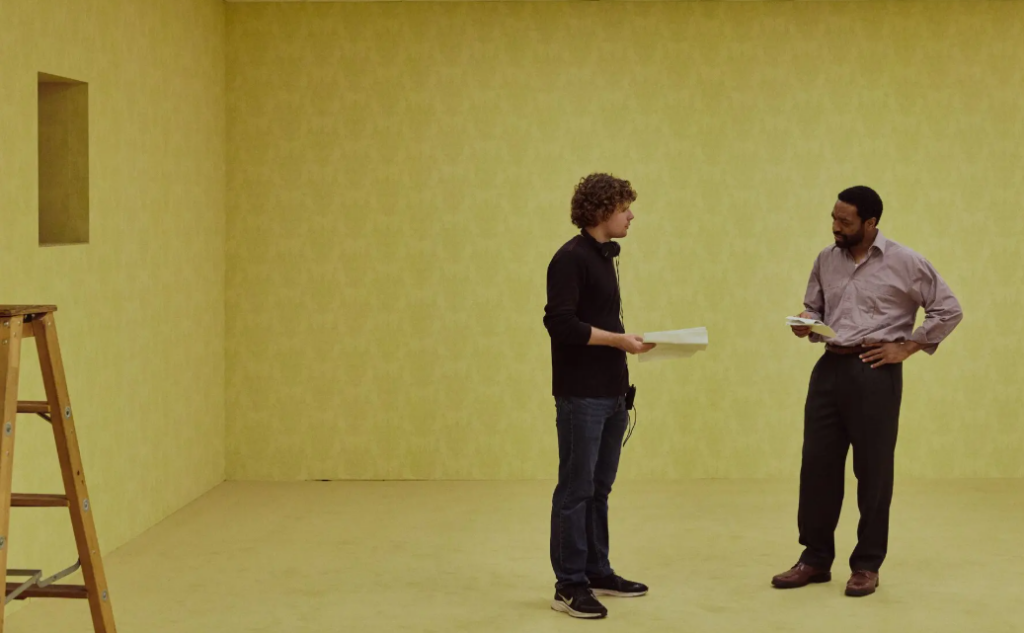
“Backrooms” is part of a growing wave of breakout films from fledgling directors who honed their instincts on YouTube rather than inside the Hollywood ecosystem. Two other creators with no Hollywood track record — Curry Barker and Mark Fischbach — have already turned online followings into surprise box-office hits this year. “It’s not an anomaly,” Stephen Galloway, the dean of Chapman University’s film school, said in a phone interview. “It’s the start of a gigantic shift. These are the cinematic insurgents of our era.”

Source: Now in Theaters: Hit Movies From YouTube Stars

NY Times Publisher Warns That AI Companies Are Making Choices That ‘Violate Settled Law’

New York Times publisher A.G. Sulzberger warned that AI companies were making choices that could lead to “a great deal of unnecessary harm” to the news business and the public’s access to reliable sources, in a speech delivered during the World News Media Congress in France on Monday. Companies leading the development of generative-AI systems — including OpenAI, Meta, Anthropic and Google — are “failing to embrace a core responsibility” of their control over the data fueling the technology’s development, Sulzberger said.

Source: New York Times Publisher Warns That AI Companies Are Making Choices That ‘Violate Settled Law’ 

Library Orgs Urge Big Five to Address Digital Pricing

The organizations urge publishers to negotiate usage-based e-book lending models as well as perpetual-use options. “Our organizations, representing the vast majority of public libraries in the U.S. and Canada, call on the Big Five publishers, as well as platform providers, to come to the table to work with libraries to identify and implement sustainable solutions, no matter the format,” the signatories state.

Source: Library Orgs Urge Big Five to Address Digital Pricing

YouTube will now automatically label AI videos

As AI video models become more powerful, YouTube is no longer solely relying on creators to label their AI videos — it will now automatically label videos on their behalf. The company announced on Wednesday that its internal systems will apply labels when it detects that “significant photorealistic AI” has been used. YouTube will also be making its AI labels more prominent, so they’re easier to spot across both long-form videos and YouTube Shorts.

Source: YouTube will now automatically label AI videos

Spotify now lets you stream narrated magazine articles, too

In Spotify’s rapidly evolving quest to become the home of everything audio-related, the company announced on Tuesday that it’s bringing narrated long-form magazine articles to its app. The articles will be available to Premium subscribers as part of their 15 hours of audiobook listening time per month. Free users can opt to purchase stand-alone articles for $1.99.

Source: Spotify now lets you stream narrated magazine articles, too

What Google AI Mode push means for publishers

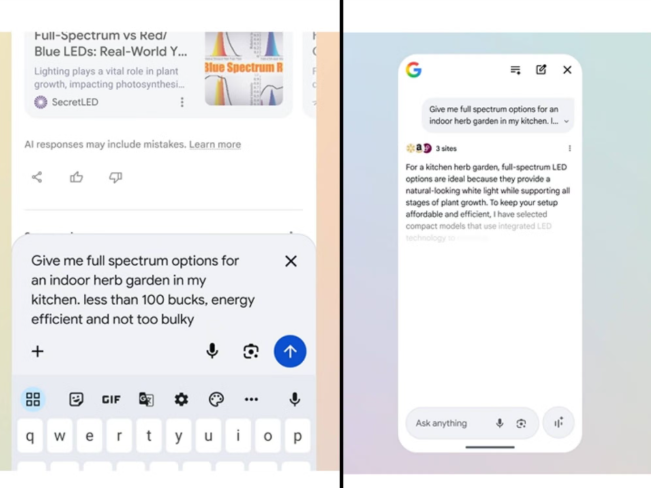
Google’s new AI features for Search signal a further shift away from publisher traffic despite the tools not yet being the default for users, according to SEO experts. The update includes users having the choice to continue searching in AI Mode through follow-up prompts from AI Overviews. The changes, initially revealed in January, could escalate fears for publishers already seeing reduced clickthroughs from Google Search.

Source: What Google AI Mode push means for publishers

AI agent as photography’s best fact-checker?

The current crop of AI image-authenticity tools tends to do one thing. You upload a photograph, the tool returns a number. 73% likely AI-generated. 0.21 confidence of manipulation. The number is supposed to settle the question. It doesn’t, of course, because the number is a statistical probability that the image was entirely or partially generated by an AI. That’s it.

Source: AI agent as photography’s best fact-checker?

Sony Music moves to add more than 30,000 copyrighted recordings to its lawsuit against Udio

Sony Music Entertainment has asked a federal court for permission to expand its copyright infringement lawsuit against AI music generator Udio, seeking to add over 30,000 copyrighted sound recordings to its complaint. The motion, filed on Friday (May 22) in the US District Court for the Southern District of New York, says Sony identified the additional works after gaining access to Udio‘s training data during the discovery process.

Source: Sony Music moves to add more than 30,000 copyrighted recordings to its lawsuit against Udio

Get the latest RightsTech news and analysis delivered directly in your inbox every week
We respect your privacy.