 The AI audio-generation unicorn ElevenLabs announced the launch of a new model that allows users to generate music that’s cleared for commercial use. This move marks ElevenLabs’ expansion beyond its main focus thus far in its three years of existence, which has been building AI audio tools. ElevenLabs is a leader among companies making text-to-speech AI products, and it has expanded into conversational bots and tools that translate speech into other languages.
Technology
Is It Still Disney Magic if It’s AI?
 A deepfake Dwayne Johnson is just one part of a broader technological earthquake hitting Hollywood. Studios are scrambling to figure out simultaneously how to use AI in the filmmaking process and how to protect themselves against it. While executives see a future where the technology shaves tens of millions of dollars off a movie’s budget, they are grappling with a present filled with legal uncertainty.
Source: Is It Still Disney Magic if It’s AI?
As AI Changes Internet Search, Reddit Lies in a Sweet Spot
 A report last month from search analytics firm Ahrefs showed Reddit appearing in 5.5% of Google’s AI Overviews responses, the most of any source. Reddit’s position as a repository of knowledge shared and curated by actual people is a big part of the appeal. “Human conversation is not being replaced by AI, instead, it’s becoming more important,” Reddit Chief Executive Steve Huffman said on the company’s earnings call.
Source: As AI Changes Internet Search, Reddit Lies in a Sweet Spot
AI summaries cause ‘devastating’ drop in audiences, online news media told
 News companies have been warned of a “devastating impact” on online audiences as search results are replaced by AI summaries, after a new study claimed it caused up to 80% fewer clickthroughs. The threat posed by Google’s AI Overviews, which summarise a search result with a block of text, has rapidly risen to the top of the concerns among media owners. Some regard it as an existential threat to outlets reliant on search result traffic.
Source: AI summaries cause ‘devastating’ drop in audiences, online news media told
Microsoft tries to keep its consumer Copilot out of New York Times AI copyright case
 In a court filing Thursday, Microsoft argued that the current version of its Copilot AI assistant for consumers should be excluded from the process of legal discovery — opposing an effort by the plaintiffs to require the team behind the product to turn over documents and materials deemed relevant to the case. But lawyers for the news organizations contend that Copilot is powered by the same core AI systems, performing the same functions, with the same alleged harms.
Source: Microsoft tries to keep its consumer Copilot out of New York Times AI copyright case
Universal Music Eyes AI Patents Under Liquidax Partnership
 UMG today disclosed the high-profile tie-up as well as its aggressive focus on AI patents. Regarding the aggressive descriptor, the label has already filed 15 applications with the self-described IP asset management firm Liquidax. These applications concern technology at the intersection of music and collaboration, “AI threat protection,” multimedia content, health, rights management, and administration, the companies indicated.
Source: Universal Music Eyes AI Patents Under Liquidax Partnership
Google is reportedly pursuing AI licensing deals with news publishers
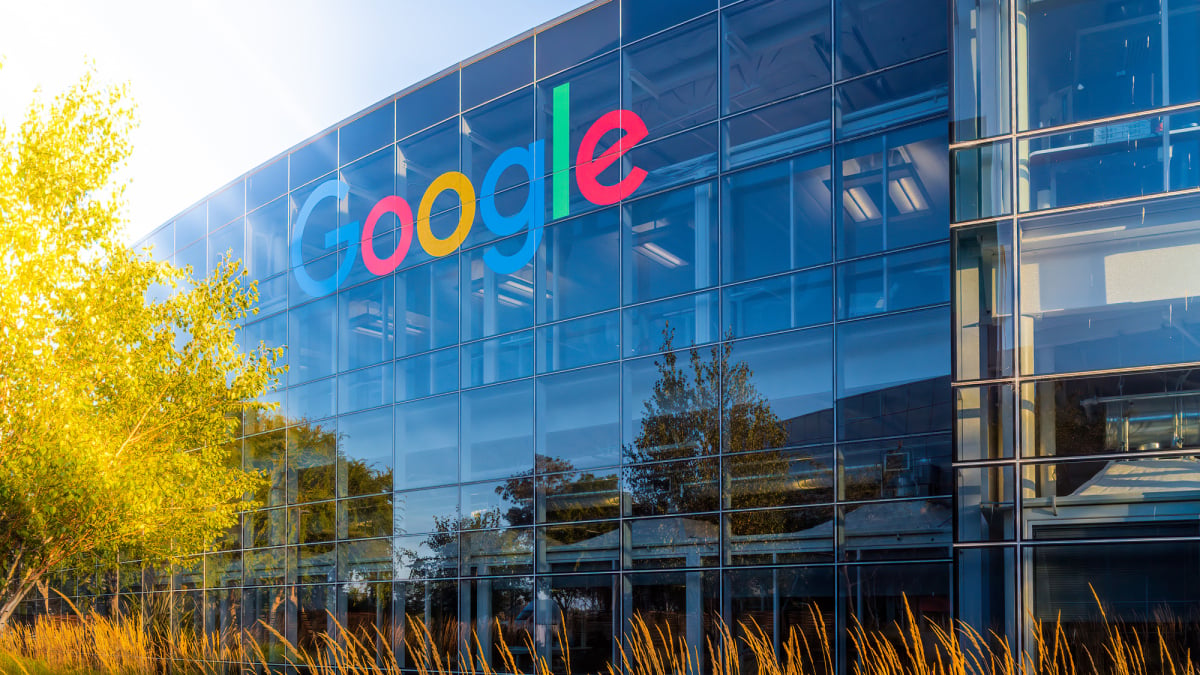 According to Bloomberg, Google is reportedly preparing to launch a “pilot project initially with about 20 national news outlets,” where the participants would license their content for Google’s AI tools. There isn’t much detail beyond the initial report, but it sounds similar to the strategy that OpenAI has employed. Over the past few years, OpenAI has struck licensing deals with major publishers like Hearst, Condé Nast, Vox Media, The Atlantic, and News Corp.
Source: Google is reportedly pursuing AI licensing deals with news publishers
Spotify’s Lax Controls Exposed: The Blaze Foley AI Song Debacle
 The modern music streaming world, for all its accessibility, has faced challenges in this brave new world powered by AI. The appearance of an AI-generated song titled “Together” on the official Spotify page of the late country icon Blaze Foley is a glaring example of how Spotify has failed to adequately protect both artists’ legacies and listener trust.
Source: Spotify’s Lax Controls Exposed: The Blaze Foley AI Song Debacle
The European Union Passed Its Artificial Intelligence Bill. Will It Enforce It?
 The European Parliament passed the Artificial Intelligence Act, the first law that would regulate AI. Critics are wondering how powerful that will be. Practically, like most legislation, the act represented a compromise, applying different levels of regulatory scrutiny to applications with different levels of risk. Broadly, it fell far short of perfect, but it was much better than the proposed 10-year moratorium on enforcing state laws affecting AI in the American “One Big Beautiful Bill Act.”
Source: The European Union Passed Its Artificial Intelligence Bill. Will It Enforce It?
‘You can make really good stuff – fast’: new AI tools a gamechanger for film-makers
 Within two weeks, Mallal, who directed Spiders in the Sky on his own, was able to make a film about the Ukraine attack that would have cost millions – and would have taken at least two years including development – to make pre-AI. “Using AI, it should be possible to make things that we’ve never seen before,” he said. “We’ve never seen a cinematic news piece before turned around in two weeks. We’ve never seen a thriller based on the news made in two weeks.”
Source: ‘You can make really good stuff – fast’: new AI tools a gamechanger for film-makers