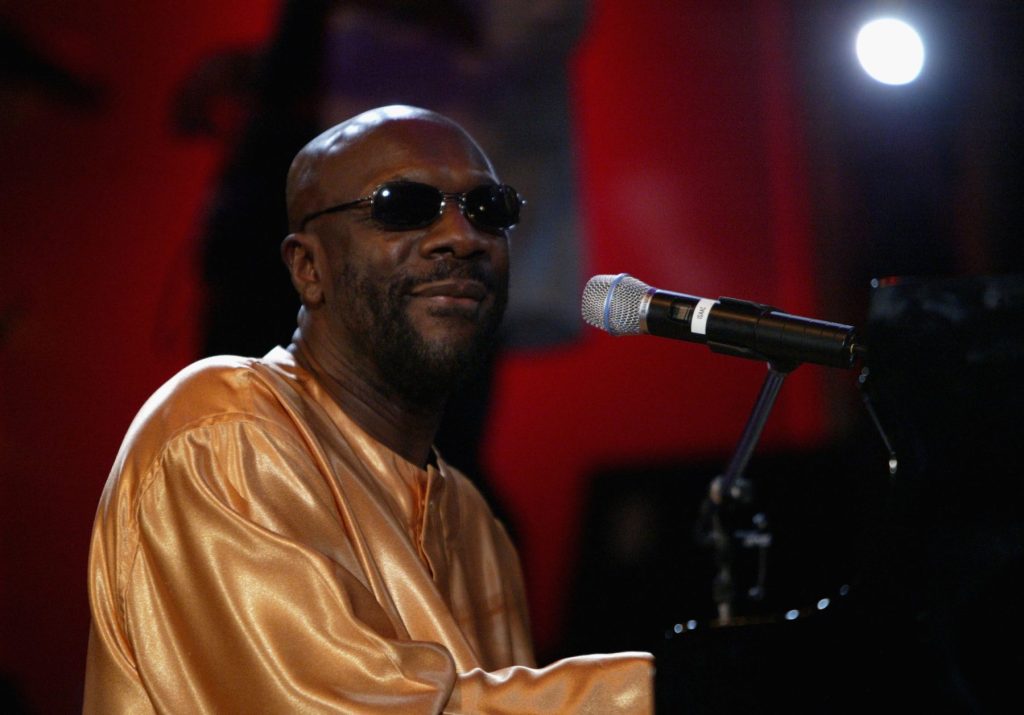
 The estate of Isaac Hayes has reached a confidential settlement with President Donald Trump to end copyright litigation over the allegedly unauthorized use of the 1966 song “Hold On, I’m Comin’” at 2024 election rallies. Hayes’ son and estate manager, music producer Isaac Hayes III, says in a Monday (Feb. 23) Instagram statement that the lawsuit “has been mutually resolved, and we are satisfied with the outcome.”
Source: Isaac Hayes Estate Settles with Trump in Copyright Lawsuit Over Election Rally Song

 The creators of a new technology have always sold it as producing a fundamental transformation of human existence. The radio was touted as bringing “perpetual peace on earth.” Television was supposed to arouse so much empathy for different cultures that it would end war. Cable television would educate the masses and lead to widespread enlightenment. This time, though, the masses have not been won over.
 According to Crabtree-Ireland, the real concern is that, even if videos generated by Seedance and other A.I. platforms “are not malicious in intent,” they could “really violate someone’s right to control how their image, their likeness and their voice is used.” The kind of material represented by the Cruise-Pitt battle, he said, “could not be produced by any of the signatories to our contracts — the studios, the streamers — without the specific, informed consent of those individuals.”