
Headlines

From Pillow Talk to Court Talk: Meta’s Adult Content Copyright Mess

The case, which alleges that Meta systematically pirated thousands of adult movies using BitTorrent to feed its AI models, offers critical insights into how courts are handling tech giants’ efforts to dodge AI-related copyright liabilities at the early pleading stage. According to the lawsuit, Strike 3 traced 47 distinct IP addresses directly belonging to Meta’s corporate network. Between 2018 and 2025, these IP addresses were allegedly used to torrent nearly 2,400 of Strike 3’s films over 6,000 times.

Source: From Pillow Talk to Court Talk: Meta’s Adult Content Copyright Mess
Streaming accelerates nostalgia-driven catalog discovery, says Vevo study

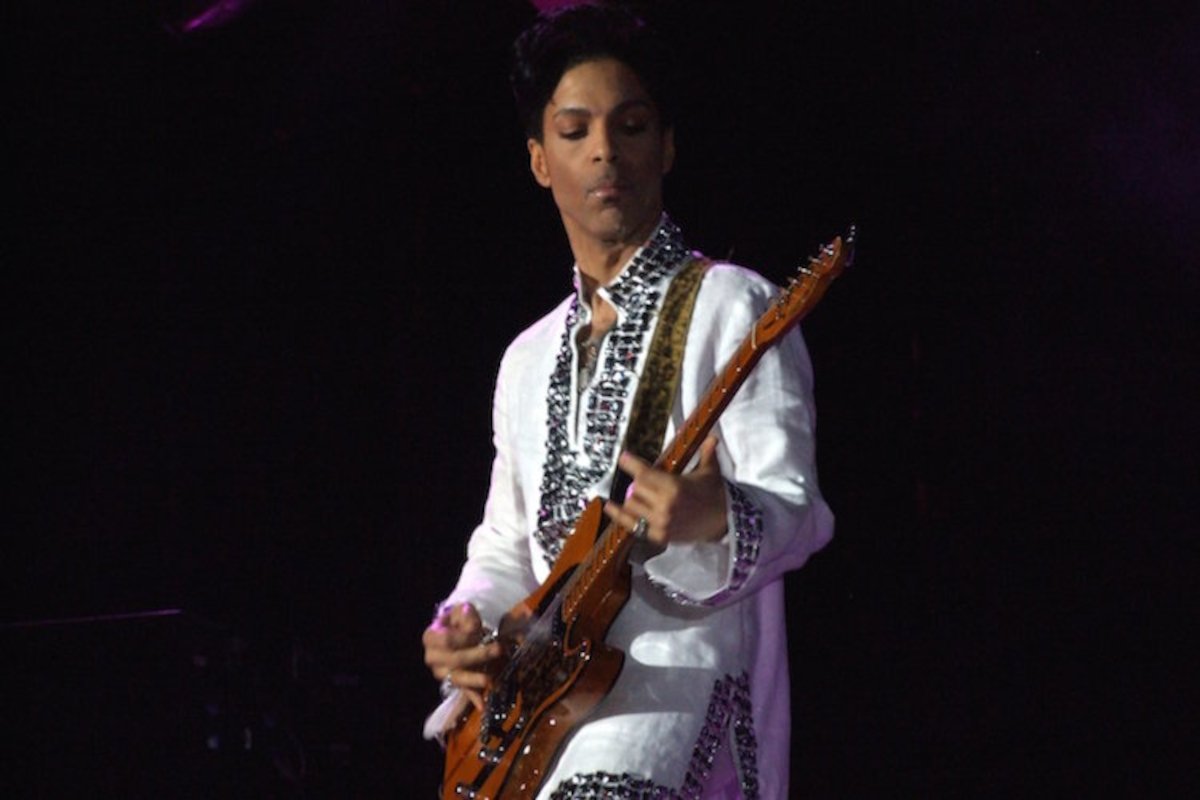
Streaming is accelerating how audiences discover and revisit nostalgic content, according to a new study from Vevo. Vevo‘s report finds that music videos trigger nostalgia more than any other music format. It also finds that 65% of Gen Z feel nostalgic for eras they were never alive to experience, something Vevo calls “borrowed nostalgia.”

Source: Streaming accelerates nostalgia-driven catalog discovery, says Vevo study

Artificial Intelligence Is Rewriting the Rules of Art Valuation

The use of artificial intelligence in the art world has been touted for its supposed ability to spot fakes and authenticate works by Old Masters, identify which emerging artists will become the next superstars and even create artworks without human involvement. It’s all very space age and largely niche. But behind the scenes in a rapidly changing art market, A.I. is already playing a significant role in price setting.

Source: Artificial Intelligence Is Rewriting the Rules of Art Valuation

CRB proposes extending physical and download mechanical rates through 2032

Phonorecords V is the latest installment in a five-yearly cycle in which the Board sets the statutory mechanical rate under Section 115 of the US Copyright Act – the royalty owed each time a song is reproduced and distributed, from a vinyl pressing to a download. The settlement was filed on June 29 by the three major record companies, indie labels, and the industry’s main publisher and songwriter bodies.

Source: CRB proposes extending physical and download mechanical rates through 2032

Meta ditches Muse Image AI feature because it ‘misses the mark’ on users’ privacy

Meta has said ⁠it is discontinuing an AI feature launched this week that allowed users to generate images using public Instagram ⁠accounts, after drawing widespread ⁠criticism over ​privacy concerns, including from a Hollywood union. “We’ve heard the feedback that ⁠this feature missed the mark, so it’s no longer available,” it said. The feature, integrated into its Meta ‌AI chatbot, can use photos as input and lets users edit generated images directly through sketches.

Source: Meta ditches Muse Image AI feature because it ‘misses the mark’ on users’ privacy

AI companies want to water down Australia’s copyright laws.

The prime minister, Anthony Albanese, is expected to deliver a major speech on Wednesday about the government’s plans for regulating and capitalising on the nascent technology. After abandoning the former industry minister Ed Husic’s vision for a dedicated AI act in favour of a hands-off approach to regulation, the government is reportedly set to pivot back to a more interventionist strategy.

Source: AI companies want to water down Australia’s copyright laws.

Record Companies Push to Label AI Songs on Streaming Platforms

A coalition of record-label and artist groups is pushing streaming giants to label music generated with artificial intelligence, as the industry grapples with how AI is changing the business. The group said it plans to work with streaming platforms like Spotify and Apple Music to add labels on tracks indicating when AI was used to produce them. AI usage is flagged voluntarily by artists, record labels and distributors.

Source: Record Companies Push to Label AI Songs on Streaming Platforms

EU proposal could cost American artists nearly $300M a year, U.S. music coalition says

At issue is a potential European Union legislative proposal that would overturn the 2020 Court of Justice of the European Union (CJEU) decision in RAAP (Recorded Artists Actors Performers Ltd), which extended national-treatment protections to American recording artists and labels. The coalition says replacing those protections with a “material reciprocity” framework would codify discrimination against US creators and reduce the royalty payments American artists currently receive from Europe.

Source: EU proposal could cost American artists nearly $300M a year U.S. music coalition says

Publishers, Authors File Class Action Lawsuit Against Google

Publisher Hachette Book Group, Cengage Learning, and Elsevier, as well as author Scott Turow, are the named plaintiffs in the lawsuit, and the claims are being brought on behalf of themselves and a proposed class of authors and publishers. The suit follows an attempt by HBG and Cengage to join the Google Generative AI Copyright Litigation lawsuit first brought by a group of illustrators and writers in 2023, and which Google has been challenging the right for the publishers to participate.

Source: Publishers, Authors File Class Action Lawsuit Against Google

ValuePunks offers free catalogue valuations to artists and indie labels

Swiss tech company Tribe Music Group has launched a catalogue-valuation tool called ValuePunks, available for artists and labels to use at no cost. The software measures data across every rights category — streaming, physical, sync, D2C and neighboring rights — and turns it into a catalogue assessment report. This is based on earnings data from more than 120,000 catalogue profiles collectively generating over €100m in annual royalties.

Source: ValuePunks offers free catalogue valuations to artists and indie labels

Get the latest RightsTech news and analysis delivered directly in your inbox every week
We respect your privacy.