 President Trump’s initial proposal to impose a 100% tariff on foreign-produced films was met with bafflement and horror in Hollywood. But for lawmakers who represent film industry workers, it looked like an opportunity. “I would like to refocus the conversation around a national film tax credit,” said Rep. Laura Friedman, a Democrat from Burbank. “We know this works.”
Source: Could Trump’s Movie Tariff Add Momentum for Federal Filming Incentive?

 Despite all the glamour that makes Cannes such a singular experience, there’s palpable anxiety as the festival gets ready to kick off its 78th edition. Many executives fear that Trump’s tariffs will jeopardize their businesses. There’s widespread confusion about how the tariffs on foreign-made films would be administered. If they do go into effect, they threaten to unravel a network of foreign subsidies that studios and indies rely on to finance their movies.
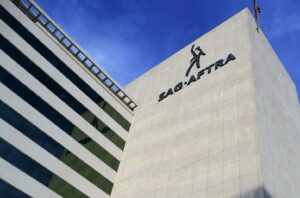 SAG-AFTRA’s national executive director and chief negotiator has weighed in on President Donald Trump’s idea to apply tariffs to films produced outside the U.S. — and signaled an open mind about it. Duncan Crabtree-Ireland, the staff leader of the 160,000-strong performers union, said in a statement on Monday that “SAG-AFTRA supports efforts to increase movie, television and streaming production in the United States.”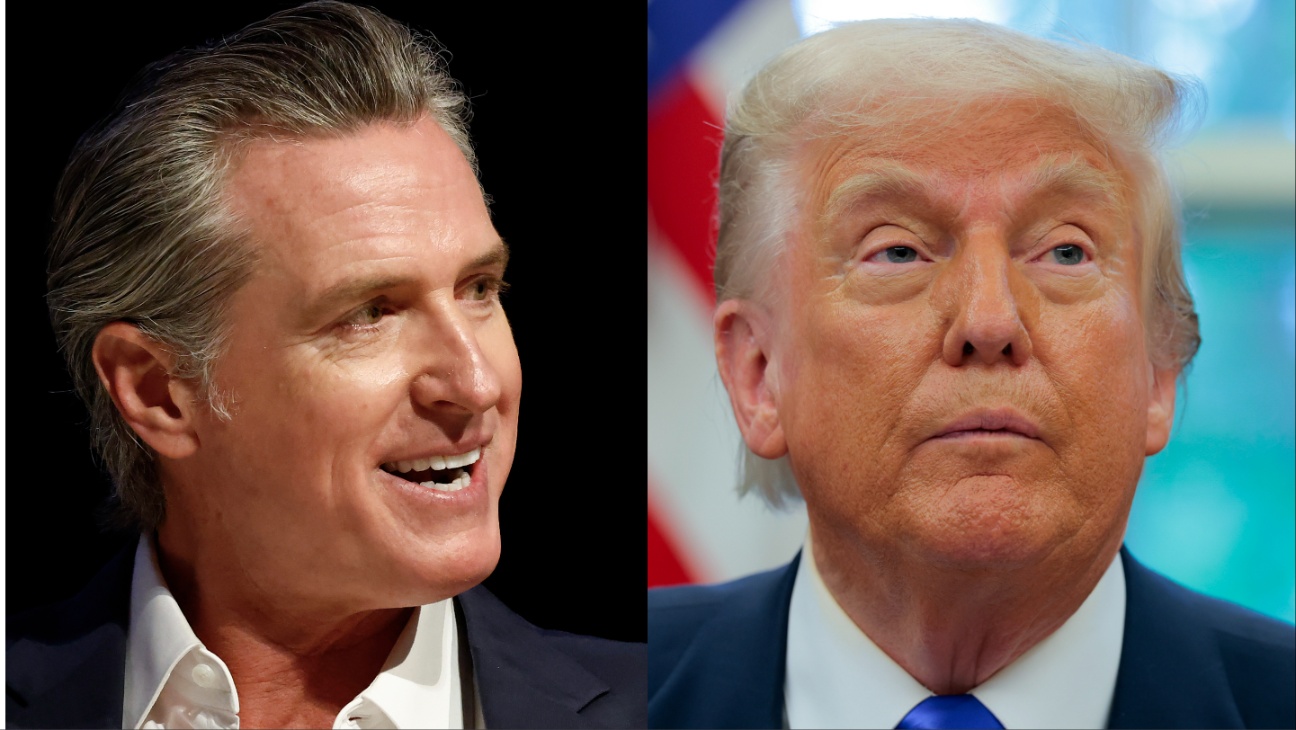

 Google should sell two of its ad businesses to address antitrust issues, the U.S. Justice Department said in a court filing after a federal judge ruled last month that the tech giant had created a monopoly in advertising, a move that could upend one of the company’s core businesses. Citing a court opinion issued April 17, a court filing dated May 5 said Google unlawfully acquired and maintained monopoly power in the ad-exchange market, which has harmed competition.