Finance

KBRA expects music-royalty backed bonds issuance to fall 25% in 2026

KBRA says in a new report that it has rated more than $12.9 billion in music royalty bonds since 2020 alone. But it expects music ABS issuance to fall by approximately 25% in 2026, dropping from over $3.3 billion in each of the past two years to slightly more than $2.5 billion – “primarily because of continued issuer consolidation.” KBRA noted that consolidation “may have mixed implications for music ABS, potentially improving collateral diversification and servicing scale while reducing issuance activity.”

Source: KBRA expects music-royalty backed bonds issuance to fall 25% in 2026

If you thought the US music industry was concerned about AI, listen to the Chinese

The Chinese music streaming market is facing “industry chaos” due to platforms allowing masses of copyright-infringing, AI-made tracks to fill up their catalogs. That’s the verdict of Tencent Music Entertainment‘s Executive Chairman, Cussion Pang, and CEO, Ross Liang, delivered during TME‘s Q1 earnings call on Tuesday. Their comments represent one of the most direct warnings yet from industry leaders over the damage AI-generated content is doing to streaming subscription businesses in China.

Source: If you thought the US music industry was concerned about AI, listen to the Chinese

SAG-AFTRA Deal Stirs Concerns on Artificial Intelligence and Pensions

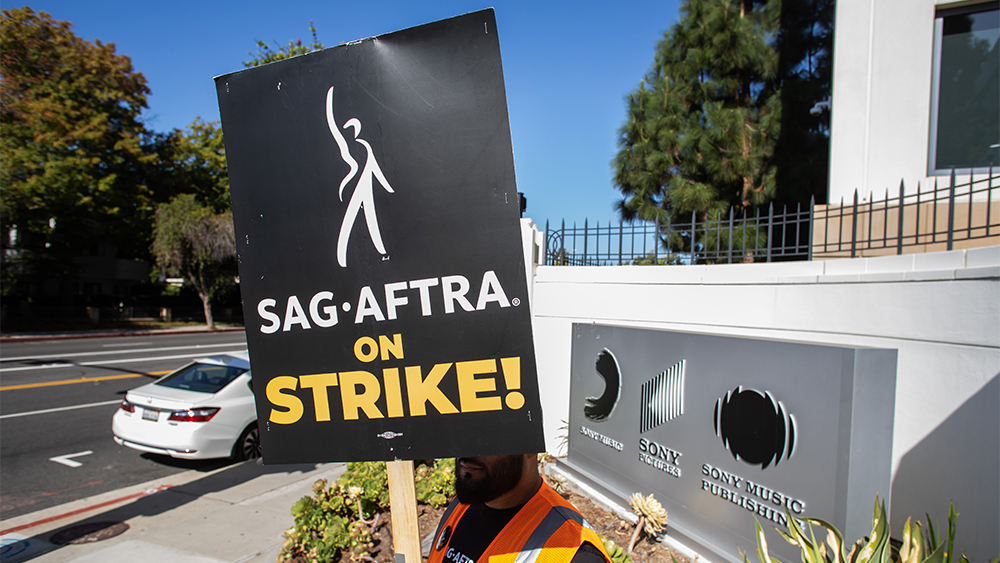
SAG-AFTRA leaders are beginning the process of selling their new studio contract to the membership, amid lingering concerns about artificial intelligence and the merger of two pension funds. The deal, unveiled on Monday, allows studios to use synthetic performers only if they bring “significant additional value” to a project. It also requires studios to notify and bargain with the union if they license performances for AI training.

Source: SAG-AFTRA Deal Stirs Concerns on Artificial Intelligence and Pensions

Red Hot Chili Peppers Ink $300 Million-Plus Deal With Warner Music to Sell Catalog

The Red Hot Chili Peppers sold the rights to their recorded catalog to Warner Music Group in a deal worth more than $300 million, sources familiar with the matter tell The Hollywood Reporter, with WMG acquiring the catalog through the company’s joint venture with Bain Capital. WMG first announced its $1.2 billion joint venture catalog acquisition vehicle with Bain last July and reported in its May 7 earnings report that they’d spent $650 million on catalogs since the JV’s launch,

Source: Red Hot Chili Peppers Ink $300 Million-Plus Deal With Warner Music to Sell Catalog

Believe partners with Google to offer AI music creation tool Flow Music to its artists

Believe is partnering with Google to offer the tech giant’s AI music creation platform, Google Flow Music, to artists across Believe and TuneCore. Under the deal, Believe will offer Flow Music — the Google Labs-housed AI music tool formerly known as ProducerAI — to its artists, producers and songwriters as what the companies describe as a “creative collaborator.” Google says that Flow Music can help artists with lyrics, experimenting with melodies or genres, and creating new instruments.

Source: Believe partners with Google to offer AI music creation tool Flow Music to its artists

Warner Music Group and Paramount strike deal for theatrical films based on WMG artists

Paramount Pictures and Warner Music Group have announced a multi-year, first-look deal for theatrical films. The partnership will see the companies develop movies drawing on the lives and music of WMG‘s roster of artists and songwriters. Robert Kyncl, CEO of Warner Music Group, said: “This collaboration with Paramount unites two forward-looking and innovative companies, and together we’re taking a fresh approach to the space.”

Source: Warner Music Group and Paramount strike deal for theatrical films based on WMG artists

The $1.4 Billion Question: Will UMG Actually Share Its Spotify Stock Windfall With Artists?

Late last month, Universal Music Group (UMG) confirmed plans to sell 50% of its Spotify stock – while claiming that “artists will share in the proceeds.” But pressing questions remain about what this possible distribution will look like in practice. Those questions are taking center stage now that the dust has settled from UMG’s Spotify stock sale disclosure. As reported, Universal Music brass unveiled the divestment after Bill Ackman’s Pershing Square floated the idea of offloading the shares under a massive takeover proposal.

Source: The $1.4 Billion Question: Will UMG Actually Share Its Spotify Stock Windfall With Artists?

Primary Wave raises $2.2 billion for fourth music fund

Primary Wave Music IP Fund 4 is the fourth consecutive oversubscribed fund from Primary Wave, which says the vehicle is the “largest dedicated closed-end music royalties fund raised to date in the industry”. The fund was backed by a global investor base spanning insurance companies, pension funds, endowments, and large family offices, according to a press release, which also noted that Primary Wave is a strategic partner of financial giant Brookfield Asset Management.

Source: Primary Wave raises $2.2 billion for fourth music fund

Universal is selling 50% of its Spotify stake, generating around $1.4 billion

Universal Music Group will sell half of its equity stake in Spotify and use the proceeds to help fund an expanded share buyback program totaling EUR €1 billion (USD $1.17 billion), the company confirmed on Wednesday (April 29) alongside its Q1 2026 results. The decision comes three weeks after Bill Ackman‘s Pershing Square launched a $64 billion takeover bid for UMG that proposed liquidating the company’s entire Spotify stake to help fund the deal.

Source: Universal is selling 50% of its Spotify stake, generating around $1.4 billion

Spotify’s Song Library Is a Lot Bigger Than We Thought

Against the backdrop of continued streaming growth – and an avalanche of AI slop – Spotify’s library now contains a staggering 250 million tracks. That eye-popping total came to light during the company’s Q1 2026 earnings call this morning. There’s a lot to unpack in these brief remarks, but one key question jumps out: Is Spotify, which has been almost curiously uninterested in labeling (let alone limiting) AI slop, allowing and capitalizing on “catalog inflation” to bolster its recommendations reach?

Source: Spotify’s Song Library Is a Lot Bigger Than We Thought 

Get the latest RightsTech news and analysis delivered directly in your inbox every week
We respect your privacy.