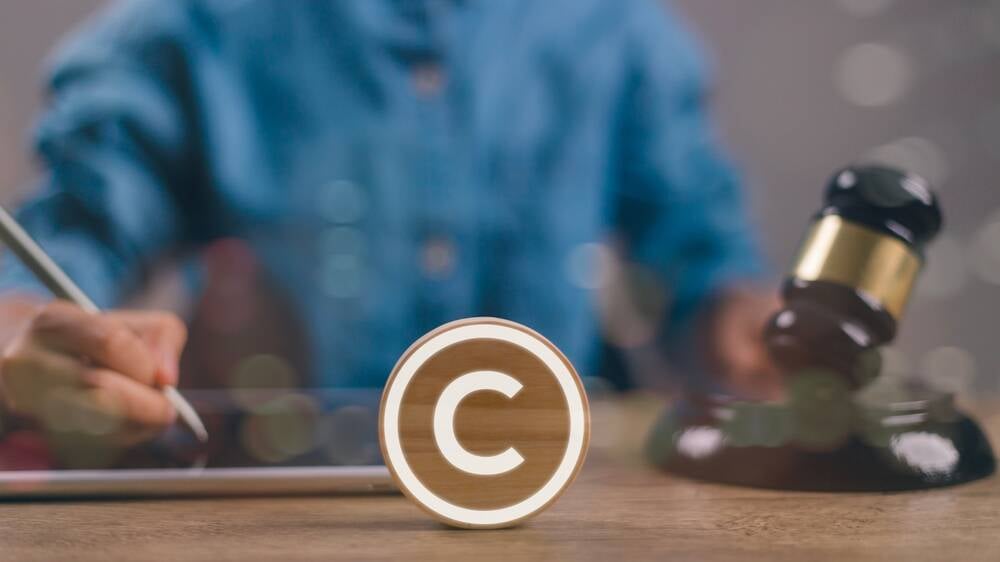
 A research paper commissioned by the European Parliament has called for an EU law to pay writers, musicians, and artists whose work has been used to train GenAI models. The study finds the current exception for text-and-data mining (TDM) in EU law “was not designed to accommodate the expressive and synthetic nature of generative AI training, and its application to such systems risks distorting the purpose and limits of EU copyright exceptions.”
Source: EU report says GenAI’s ‘fair use’ defense does not compute

 Copyright law—a byzantine world in which millions ride on whether ‘Ice Ice Baby’ sounds too much like ‘Under Pressure’—rarely has much to say about geopolitics. But two pivotal AI copyright court decisions last week, the first in a slew of prominent lawsuits, will have enormous implications for the U.S. competition with China for technological primacy.
 Scraping activity has jumped 18% in the past year, according to Cloudflare, an internet services company. The outcome of the copyright fights and technical efforts to curb free scraping could have a seismic impact on the future of the media industry—and the internet at large. Publishers are essentially trying to fence off swaths of the web while AI companies argue that the material they are scraping is fair game.
 A group of independent music companies and trade associations called on the European Union to launch an in-depth investigation into Universal Music Group’s acquisition of Downtown Music Holdings, saying the deal threatens competition if antitrust officials let it go ahead. Universal entered into a definitive agreement in December for its Virgin Music Group label to buy Downtown for $775 million in cash.
 An important aspect of the Anthropic case is that it focuses on the inputs of AI systems as opposed to the outputs. In other words, it answers the question, “Is copying a whole bunch of books a violation, independent of what you’re doing with them?” with “No.”