 The EU has opened an investigation into Google over its artificial intelligence (AI) summaries which appear above search results. The European Commission said it would examine whether the firm used data from websites to provide this service – and if it failed to offer “appropriate compensation” to publishers. A Google spokesperson said the probe “risks stifling innovation in a market that is more competitive than ever”.
Source: EU investigates Google over AI-generated summaries in search results

 OpenAI must produce millions of anonymized chat logs from ChatGPT users in its high-stakes copyright dispute with the New York Times and other news outlets, a federal judge in Manhattan ruled. U.S. Magistrate Judge Ona Wang in a decision made public on Wednesday that the 20 million logs were relevant to the outlets’ claims and that handing them over would not risk violating users’ privacy.
 Meta has signed AI content licensing deals with major publishers including People Inc, CNN and Fox News. The Facebook owner said the deals will help it provide a wider variety of real-time content, including global news, entertainment and lifestyle, on its Meta AI assistant. It noted it will be linking out to the publishers and “allowing you to visit these partners’ websites for more details while providing value to partners, enabling them to reach new audiences”.
 The newspaper alleged Perplexity AI had distributed and displayed journalists’ work without permission en masse. The Times said that Perplexity AI was also violating its trademarks under the Lanham Act, claiming the startup’s generative AI products create fabricated content, or “hallucinations”, and falsely attribute them to the newspaper by displaying them alongside its registered trademarks.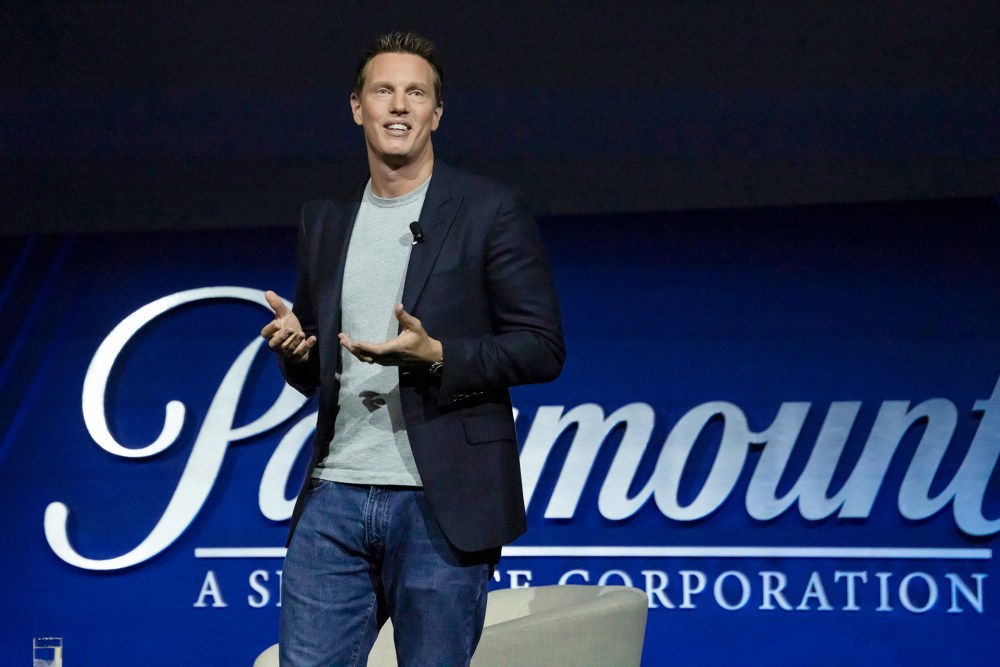
 David Ellison is not going away quietly in his quest to land Warner Bros. Discovery. On Monday, Ellison’s Paramount Skydance announced it has commenced an all-cash tender offer to acquire all of the outstanding shares of WBD for $30 per share — the same terms it offered in a Dec. 4 bid submitted to the Warner Bros. Discovery’s board.
 Can an ISP be held liable for piracy simply by “doing nothing”? Yesterday, the Supreme Court addressed this billion-dollar question. While record labels argued that Cox turned a blind eye to “habitual abusers,” the ISP warned that expanding liability without proof of active intent would turn internet providers into “Internet Police” and threaten essential access for hospitals, schools, or even entire towns.