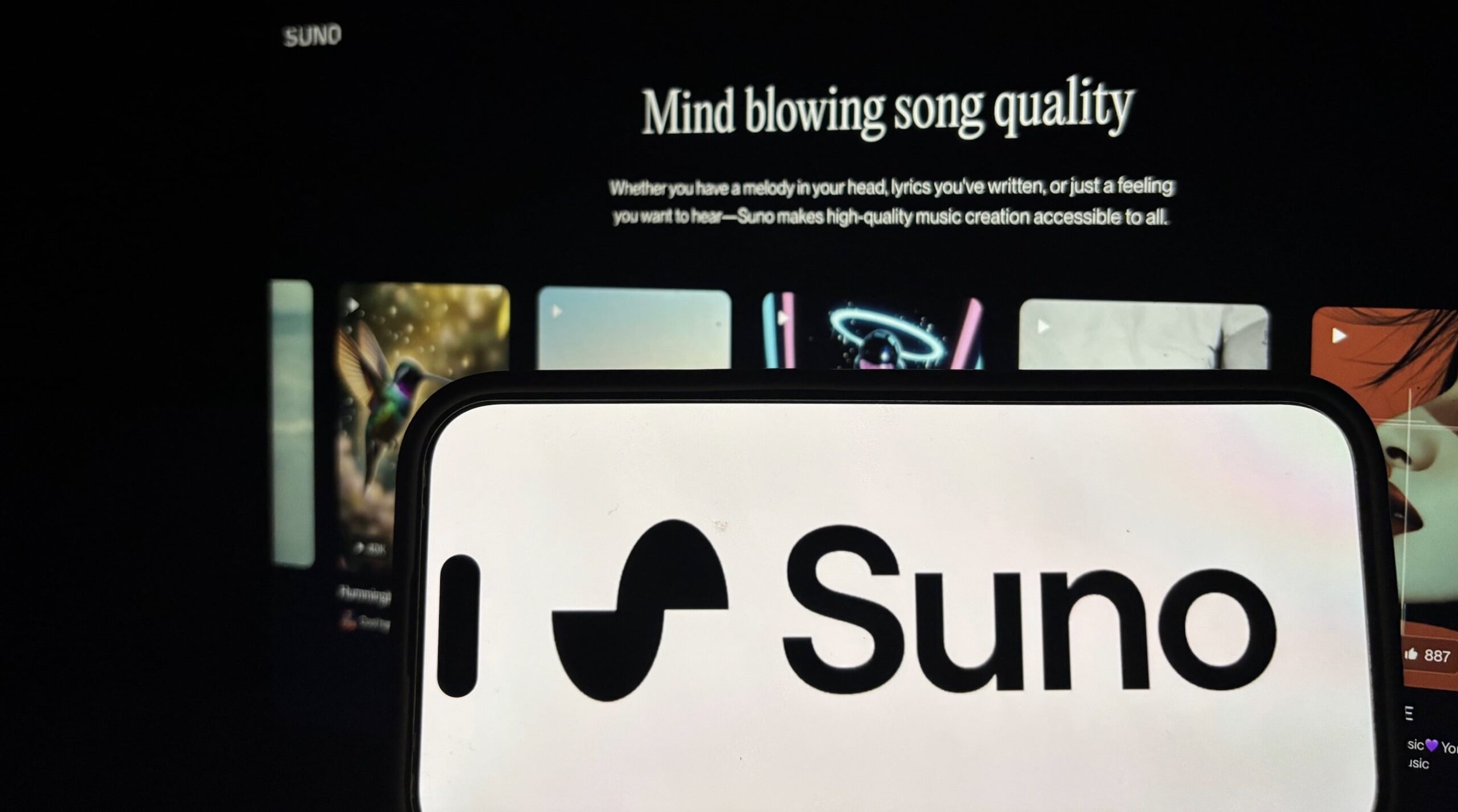
 In an open letter titled ‘Say No to Suno’, the artist reps described the company as a “brazen smash and grab” platform, accusing it of using “unauthorized AI platform machinery trained on human artists’ work”. Published Monday (February 23) on the Music Technology Policy blog, the letter was signed by figures including Ron Gubitz, Executive Director of the Music Artist Coalition; and Helienne Lindvall, songwriter and President of the European Composer and Songwriter Alliance.
Industry blasts big tech’s ‘untrue’ copyright investment threats
 The Australian government should ignore claims from artificial intelligence giants that local copyright laws prevent them from investing heavily in data centers, say media and entertainment industry leaders. “Where is the proof that issuing a copyright exemption or law change would bring massive economic benefit to Australians and not just major US tech companies?” said head of the Australian Recording Industry Association, Annabelle Herd.
Source: Industry blasts big tech’s ‘untrue’ copyright investment threats
Lawyers Warn of a Decade of Uncertainty over AI Copyright
 “It’s entirely possible that in two years we’ll have clarity that’s probably good enough in terms of a set of best practices,” estimated Jessica Litman. But she warned it could be longer, “because these cases are so huge, they are happening in dribs and drabs… so it can take a while to establish a trend.” She said it could be as many as 10 more years until these lawsuits are resolved.
Source: Lawyers Warn of a Decade of Uncertainty over AI Copyright
Isaac Hayes Estate Settles with Trump in Copyright Lawsuit Over Election Rally Song
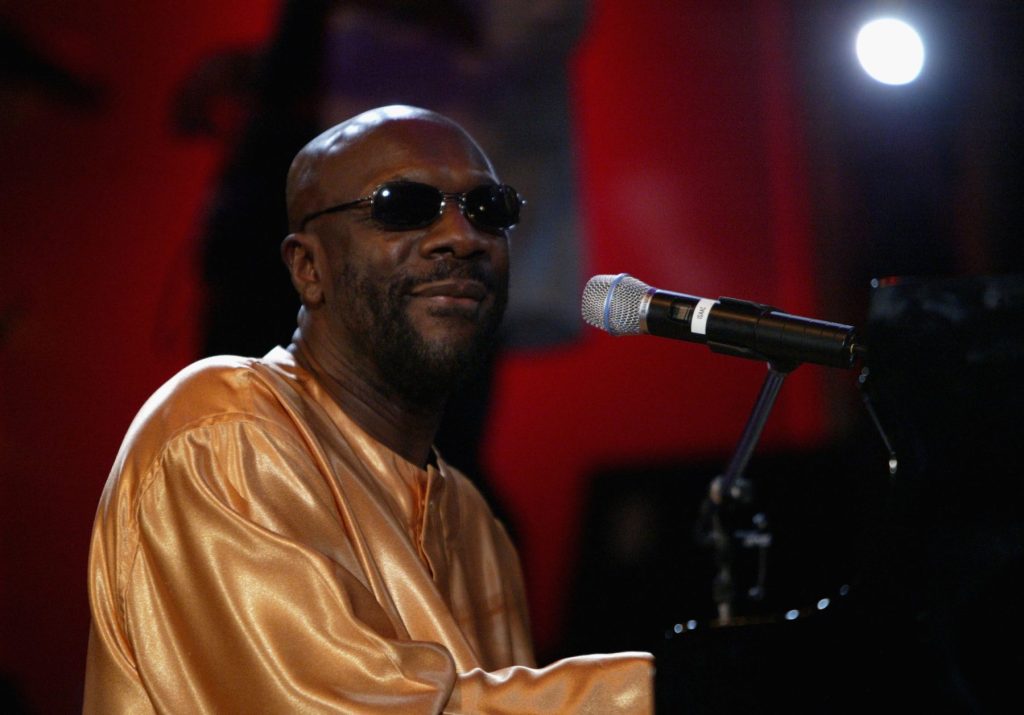 The estate of Isaac Hayes has reached a confidential settlement with President Donald Trump to end copyright litigation over the allegedly unauthorized use of the 1966 song “Hold On, I’m Comin’” at 2024 election rallies. Hayes’ son and estate manager, music producer Isaac Hayes III, says in a Monday (Feb. 23) Instagram statement that the lawsuit “has been mutually resolved, and we are satisfied with the outcome.”
Source: Isaac Hayes Estate Settles with Trump in Copyright Lawsuit Over Election Rally Song
The Fight Over AI in Hollywood Is a Battle Between Money and Activism
 The number of AI studios blanketing Hollywood, along with the VC dollars to power them, is increasing at an astonishing rate. Hollywood-focused video-generation platform Runway AI revealed a new cash raise of $315 million; Saudi Arabia led a $900 million funding round for Amit Jain’s startup Luma; all-purpose AI giant Anthropic raised $30 billion.
Source: The Fight Over AI in Hollywood Is a Battle Between Money and Activism
Google Brings Lyria 3 Into Gemini, Expands ‘SynthID’ Support
 The tech giant debuted Lyria 3 today, touting the DeepMind-developed model as its most advanced music offering to date. At the top level, this refers to automatic prompt-based lyric generation, bolstered control over outputs, and the ability to pump out “more realistic and musically complex tracks.” Against the backdrop of a rapidly evolving AI sector – and increasingly intense competition on the music-generation side – these improvements don’t necessarily come as a surprise.
Source: Google Brings Lyria 3 Into Gemini, Expands ‘SynthID’ Support
AI Sample Generator Just 4 Noise Closes $1 Million Round
 Founded by Max Shafer and Henning Nobmann in 2024, the startup deals in prompt-based samples that it says come from an ethically trained model. Per the appropriate website, the royalty-free outputs integrate into DAWs. “Producers stop scrolling through folders and start generating one-shot samples and instruments that fit the track, then drop them straight into their DAW,” BADideas summed up when touting its Just 4 Noise investment.
Source: AI Sample Generator Just 4 Noise Closes $1 Million Round
People Loved the Dot-Com Boom. The A.I. Boom, Not So Much.
 The creators of a new technology have always sold it as producing a fundamental transformation of human existence. The radio was touted as bringing “perpetual peace on earth.” Television was supposed to arouse so much empathy for different cultures that it would end war. Cable television would educate the masses and lead to widespread enlightenment. This time, though, the masses have not been won over.
Source: People Loved the Dot-Com Boom. The A.I. Boom, Not So Much.
A Slow-Motion Eulogy for the TV Industry
 The past couple of years have increasingly felt like I’m writing a slow-moving, multi-part obituary for television as most of us knew it. The television that involves real sets being built, fully staffed writers rooms, series regulars, dozens of recurring and guest roles, attention spent on production value handled by below-the-line pros and an audience of millions of viewers who regularly tune in on a weekly basis.
The Rise, Fall, and (Slight) Rise of DVDs: A Statistical Analysis
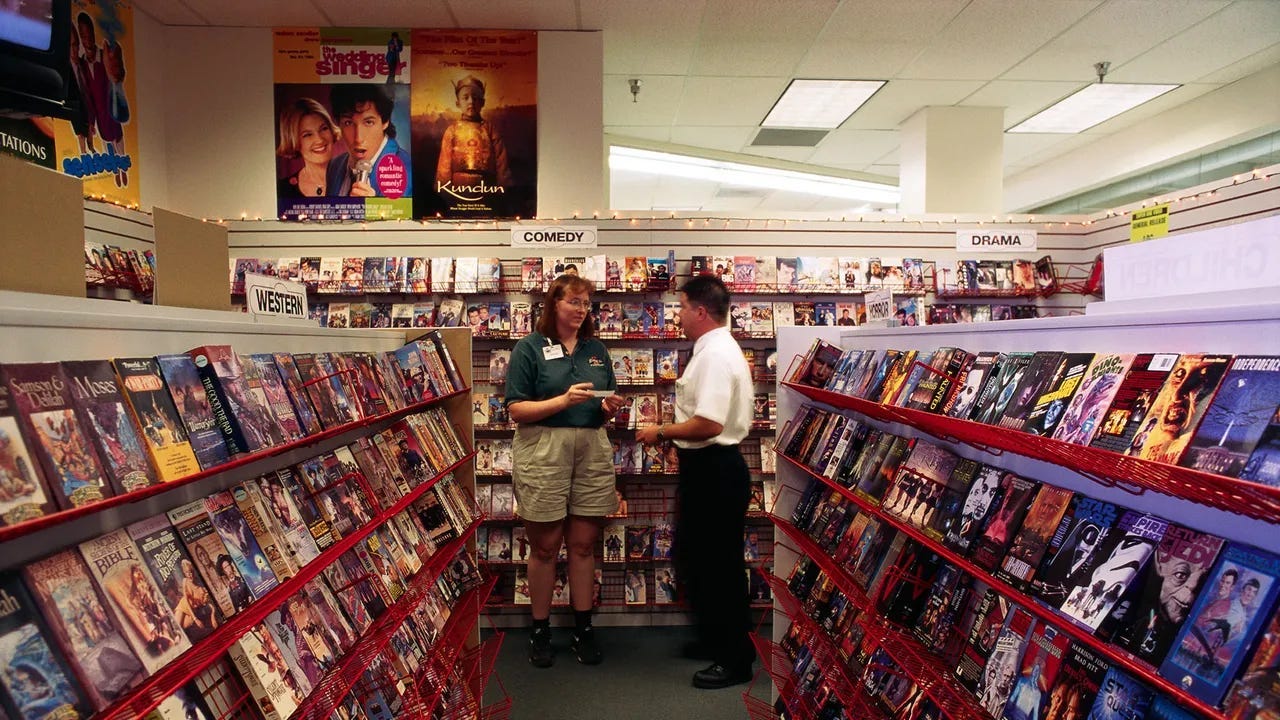 Physical media was a cash cow for movie studios, who could sell a single film to the same consumer multiple times. Let’s say you loved The Lion King in a world before streaming: you might be paying Disney for a movie ticket, a VHS tape, a DVD, a Blu-ray, and now a 4K disc. That’s at least $100 of Lion King spending. Many films enjoyed active second lives on DVD and VHS, with hit titles grossing over $500M in additional revenue for Hollywood studios.
Source: The Rise, Fall, and (Slight) Rise of DVDs: A Statistical Analysis