 The partnership with the ISNI International Agency (ISNI-IA) makes UMG an ‘ISNI registration agency,’ marking “the first of its kind for a major label,” ISNI-IA said Monday. An ISNI functions as a ‘digital passport’ for every contributor involved in the making of a piece of music, such as producers, writers, and other creative people. The system provides each creator with a specific identifier that enhances their visibility online.
Source: Universal Music adopts ISNI system, assigning ID numbers to songwriters and artists
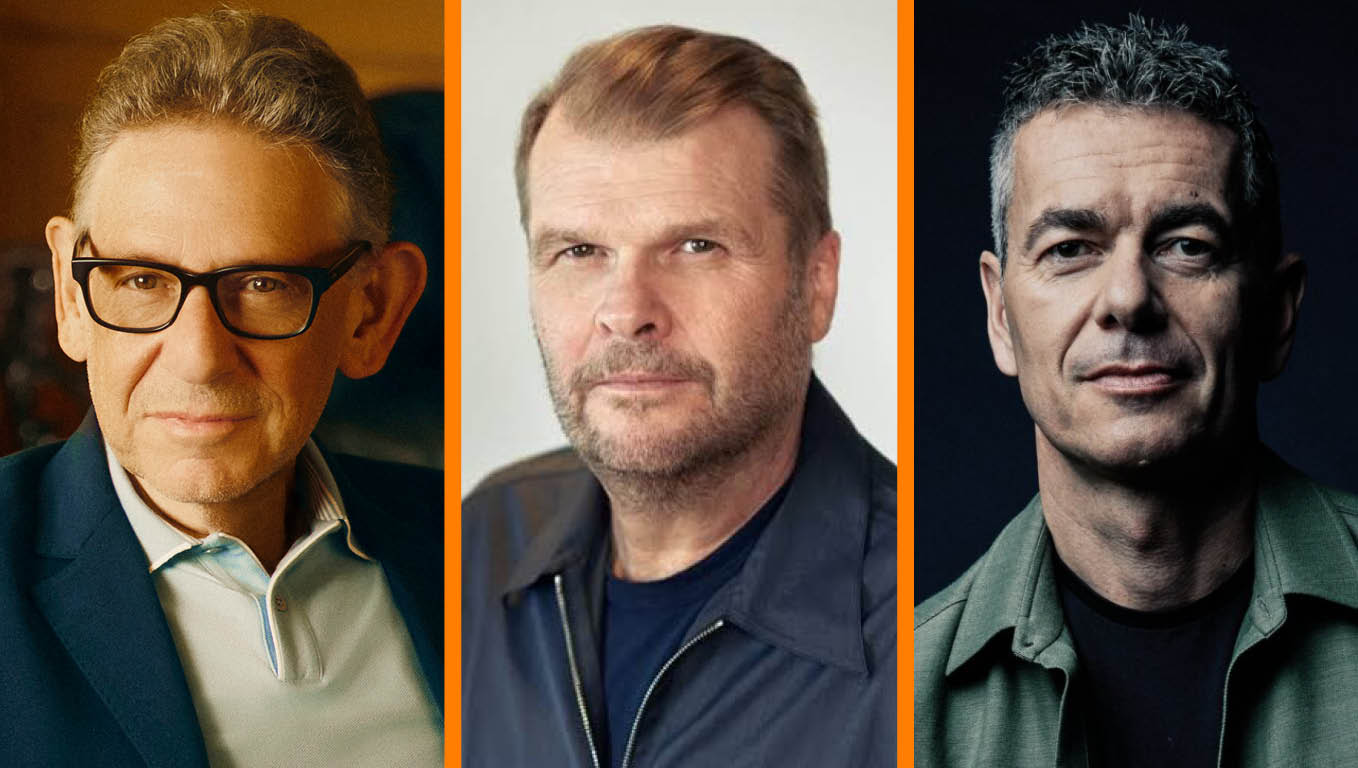

 Top executives from Meta Platforms and Alphabet have amped up the heat on the European Union (EU) over its perceived failure to foster innovation in artificial intelligence. In particular, the EU’s AI Act, which tightly controls the type and nature of AI systems allowed in the bloc, was seen as going “too far” by META director of public policy Chris Yiu. “The net result of all of that is that products get delayed or get watered down and European citizens and consumers suffer.”
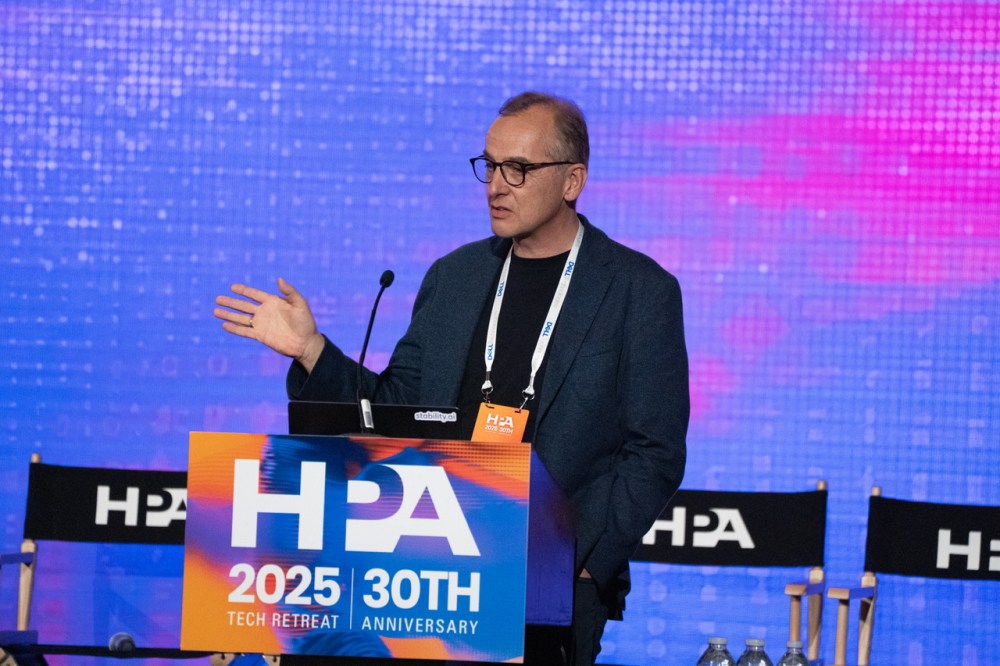
 The European Commission will propose at least five sets of legislation this year to spur investment and simplify regulation on companies, including in the field of artificial intelligence, the European Union’s digital chief said on Thursday. The executive Commission is under pressure from EU member countries such as France to ease regulations, and also faces challenges from the administration of U.S. President Donald Trump.
 Books that use AI narration will be marked in the metadata on Spotify and the book description will lead with the statement, “This audiobook is narrated by a digital voice.” Spotify had already supported digital voice-narrated content created with Google Play Books, however, this adds in another possibility for authors, as Spotify’s audiobook production platform, Findaway has specific rules around working with AI narration services.

 An architect of EU copyright law has said legislation is needed to protect writers, musicians and creatives left exposed by an “irresponsible” legal gap in the bloc’s Artificial Intelligence Act. Axel Voss, a German centre-right member of the European parliament, who played a key role in writing the EU’s 2019 copyright directive, said that law was not conceived to deal with generative AI models.