 Today’s refined GPT-4o model makes it easier for consumers, and businesses, to create more life-like images and paragraphs of comprehensible text—and even company logos and slide decks, OpenAI said. Behind the improvement to GPT-4o is a group of “human trainers” who labeled training data for the model—pointing out where typos, errant hands and faces had been made in AI-generated images.
Source: OpenAI Claims Breakthrough in Image Creation for ChatGPT
 A lawsuit filed by several authors against Meta centers on Meta’s alleged use of pirated books for AI training data and the technical details of BitTorrent. Yesterday, Meta filed a motion for summary judgment, while countering the authors’ request to resolve the copyright claims in their favor. Meta’s request includes new information, including the revelation that its uploads of ‘pirate’ library data were roughly 30% of the data it downloaded.
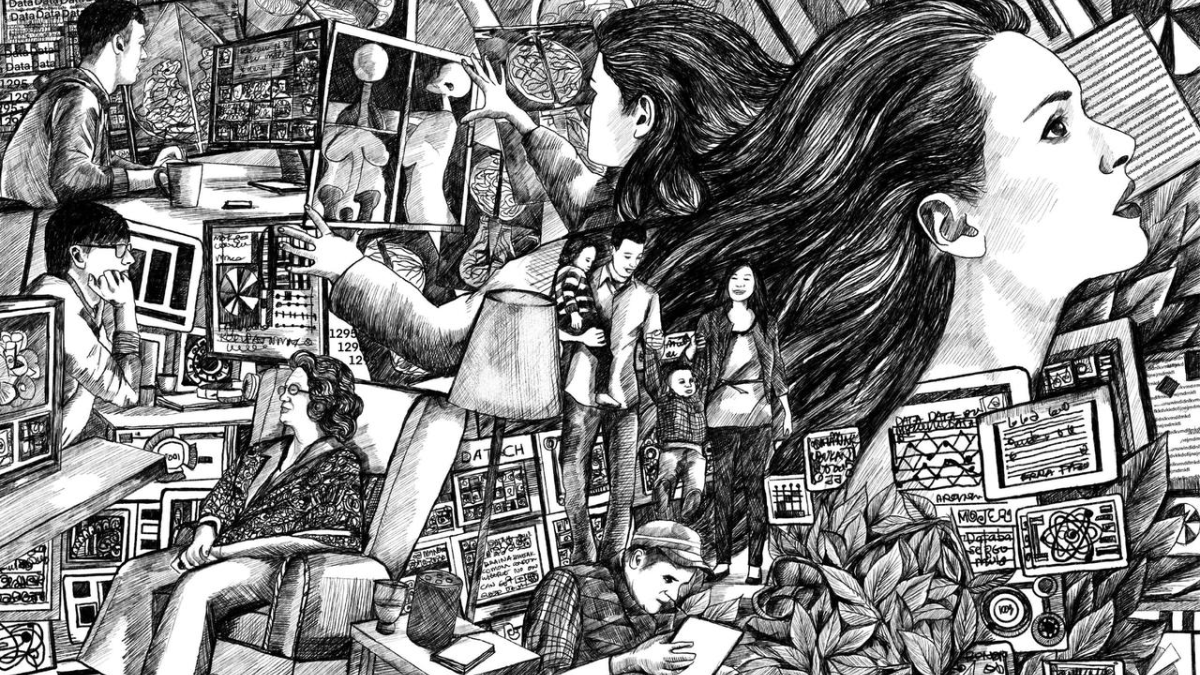
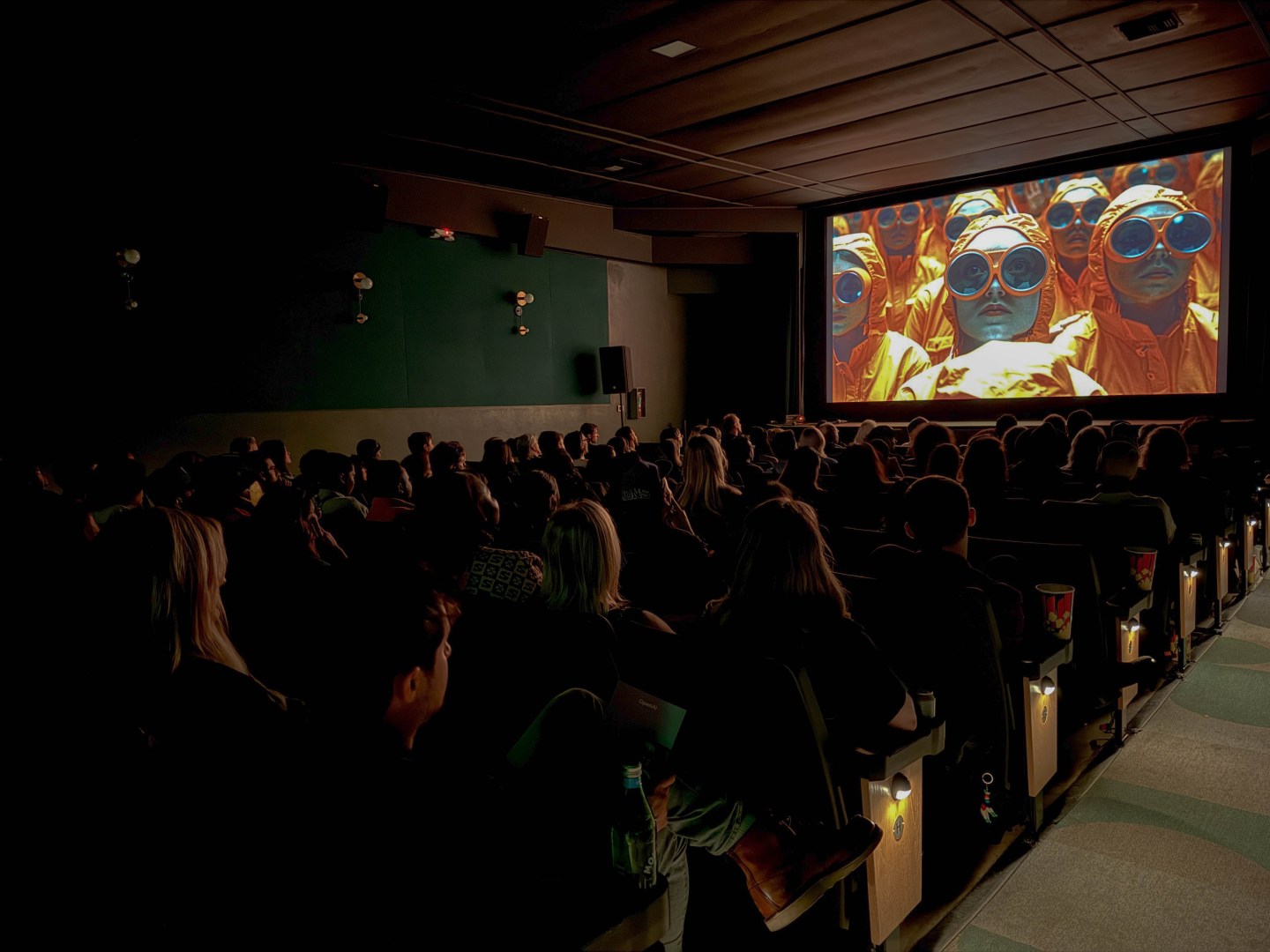
 In recent weeks, Meta, Google, OpenAI and others have asked the Trump administration to block state A.I. laws and to declare that it is legal for them to use copyrighted material to train their A.I. models. They are also lobbying to use federal data to develop the technology, as well as for easier access to energy sources for their computing demands. And they have asked for tax breaks, grants and other incentives.



 National Music Publishers’ Association (NMPA) head David Israelite just recently emphasized the stat, “one of the craziest” he’s seen, in a LinkedIn post. By now, many are aware of Spotify’s audiobook-bundling embrace, which is fueling significant royalty effects in the music world. And to put it mildly, the situation isn’t sitting right with songwriters and publishers.