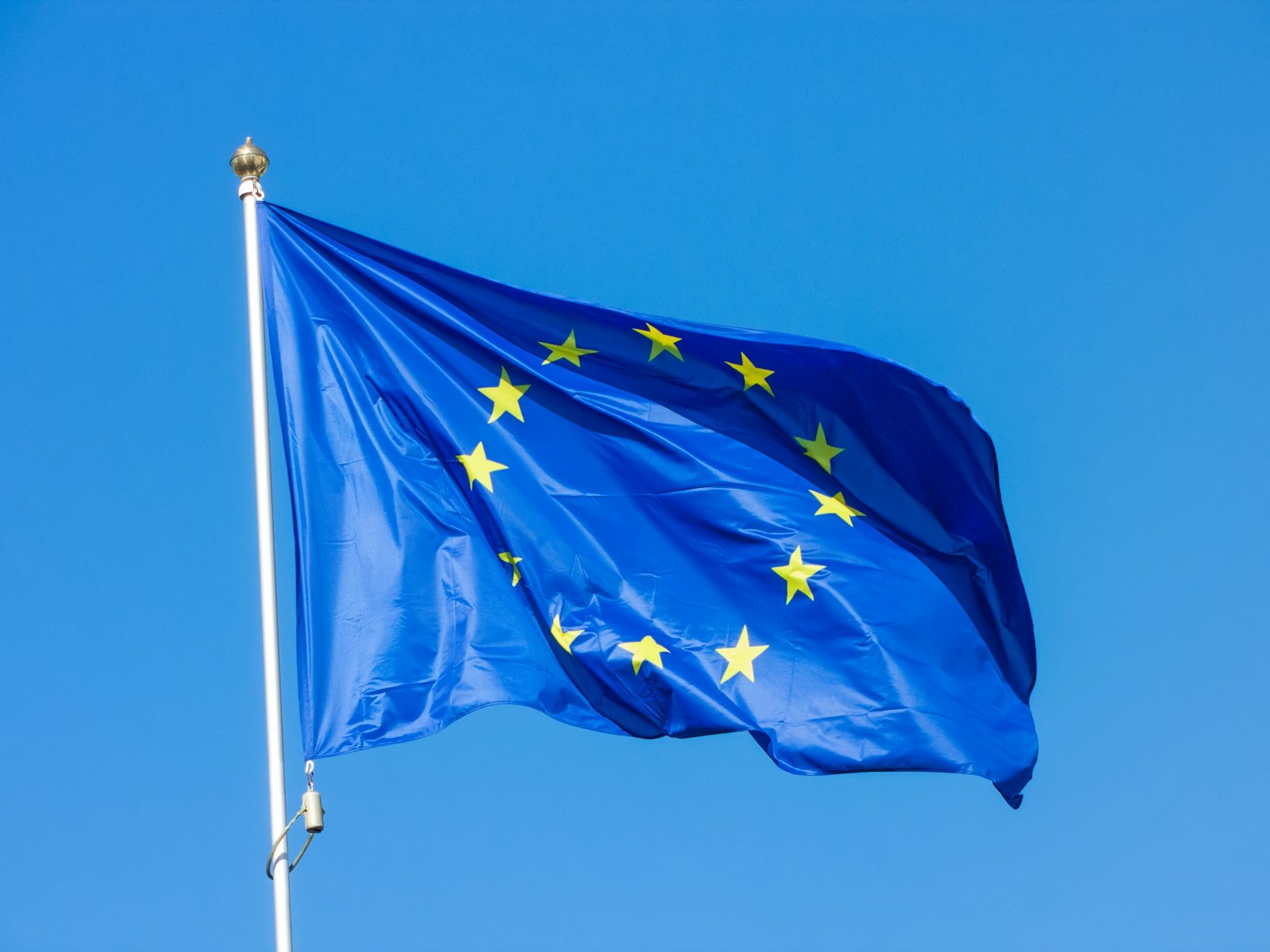
 The European Union’s Copyright Directive was approved in 2019. Five years later, it is finally being implemented across the EU, with Poland the final member state to do the necessaries. Before it was passed in 2019 there was a bitter lobbying battle between some tech firms and the music industry over its provisions around safe harbors and rights enforcement – the infamous Article 17 of the directive. It was the peak of the ‘value gap’ conflict between rightsholders and YouTube.
Source: EU Copyright Directive finally implemented in all its countries
 Large language models churn out speech by the mile. Chatbots hallucinate and write strange things, spewing statements they think are true but are false—like many politicians. Both OpenAI and Microsoft have been sued for defamation for their chatbot’s output. Congress and courts should label generative AI companies as publishers, which they are, with all the ensuing copyright and liability issues.

 A federal judge on Friday brutally district Court Judge Vincent Chhabria accused the plaintiffs’ attorneys of dragging out litigation that may help set important guardrails for the emerging technology. “You are not doing your job. This is an important case,” Chhabria told lead counsel Joseph Saveri during an hour-long video conference about fact-finding issues in the case.

 In the next few months, Google will begin to flag AI-generated and -edited images in the “About this image” window on Search, Google Lens, and the Circle to Search feature on Android. Similar disclosures may make their way to other Google properties, like YouTube, in the future; Google says it’ll have more to share on that later this year. Crucially, only images containing “C2PA metadata” will be flagged as AI-manipulated in Search.