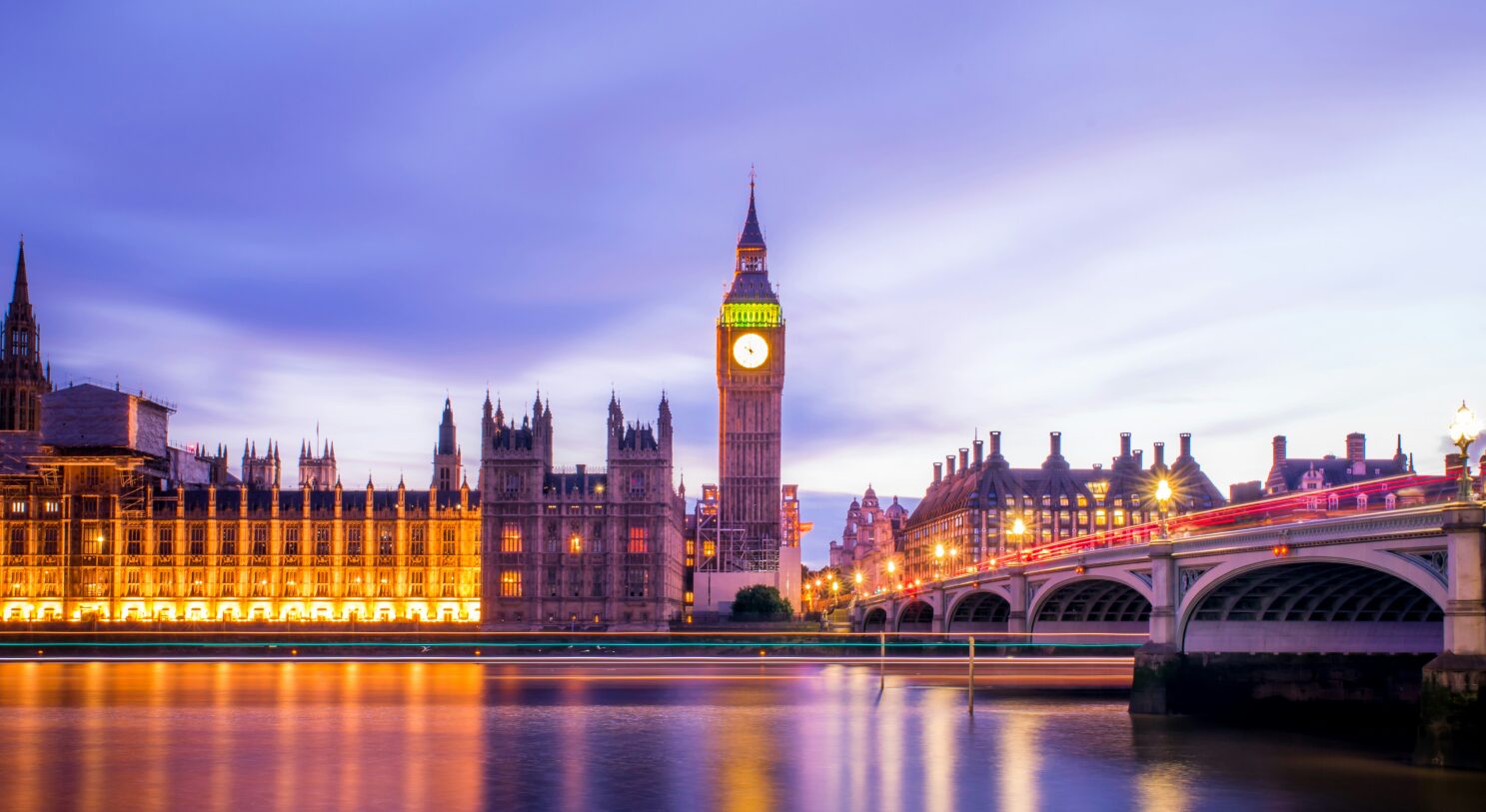
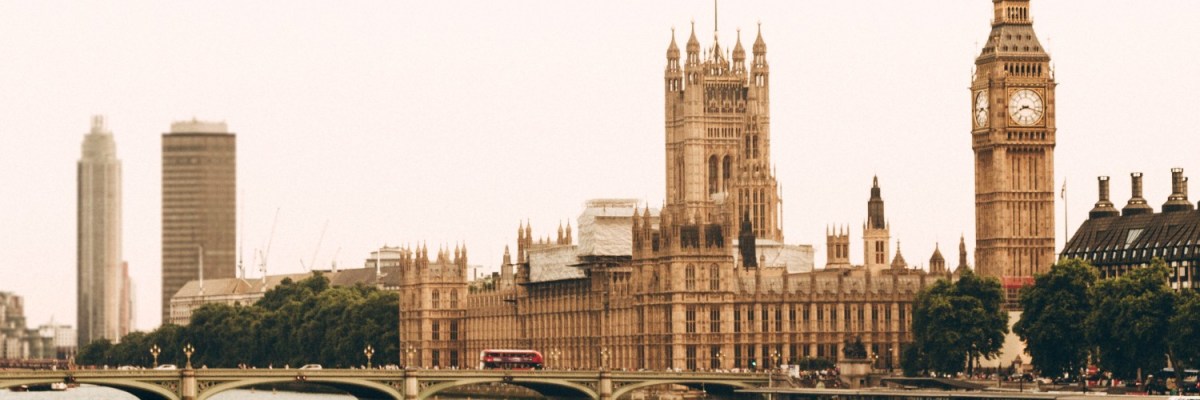
 The report calls for the UK to pass new laws that would protect artists’ personalities from being copied by AI without permission; mandate transparent labelling of AI-generated content; and require AI developers to gain permission from copyright holders to use their materials for training, among other things.
Source: UK lawmakers call for AI legislation to protect artists from deepfakes, copyright infringement
 Stock photographers who survived the disruptive advent of digital cameras and online sales are bracing themselves for the next great tech shock: generative AI. Some are predicting the worst. “The stock photography industry is going away,” said Connecticut-based photographer Tony Northrup.

 Google has been hit with a new copyright lawsuit in California federal court by a group of visual artists who claimed the Alphabet opens new tab unit used their work without permission to train Imagen, its artificial-intelligence powered image generator. The case is one of many potential landmark lawsuits brought by copyright owners against tech companies including Microsoft, OpenAI and Meta over the data used to train their generative AI systems.
 The technology is a vexed topic in the literary world. Many authors are concerned about the use of their copyrighted material in generative AI models. At the same time, some are actively using these technologies — even attempting to train AI models on their own works. These experiments, though limited, are teaching their authors new things about creativity.