Newly unsealed documents in the class-action lawsuit brought by the Authors Guild against OpenAI show the startup deleted two huge datasets, named “books1” and “books2,” that had been used to train its GPT-3 artificial-intelligence model. Lawyers for the Authors Guild said in court filings that the datasets probably contained “more than 100,000 published books.”
Technology
Big Tech is eating as much data as it can to win in AI — but it’s not ‘winner takes all’
 Big technology companies are consuming as much data as possible to become winners in artificial intelligence — but that’s not necessarily what will define winners. Appian CEO Matt Calkins says that ensuring success in the field is “not just about money.” “AI is not a place where money makes more money,” Calkins told CNBC in an interview at its London bureau on Tuesday.
Source: Big Tech is eating as much data as it can to win in AI — but it’s not ‘winner takes all,’ CEO says
AI Film Festival Shows Increasing AI Integration in Filmmaking
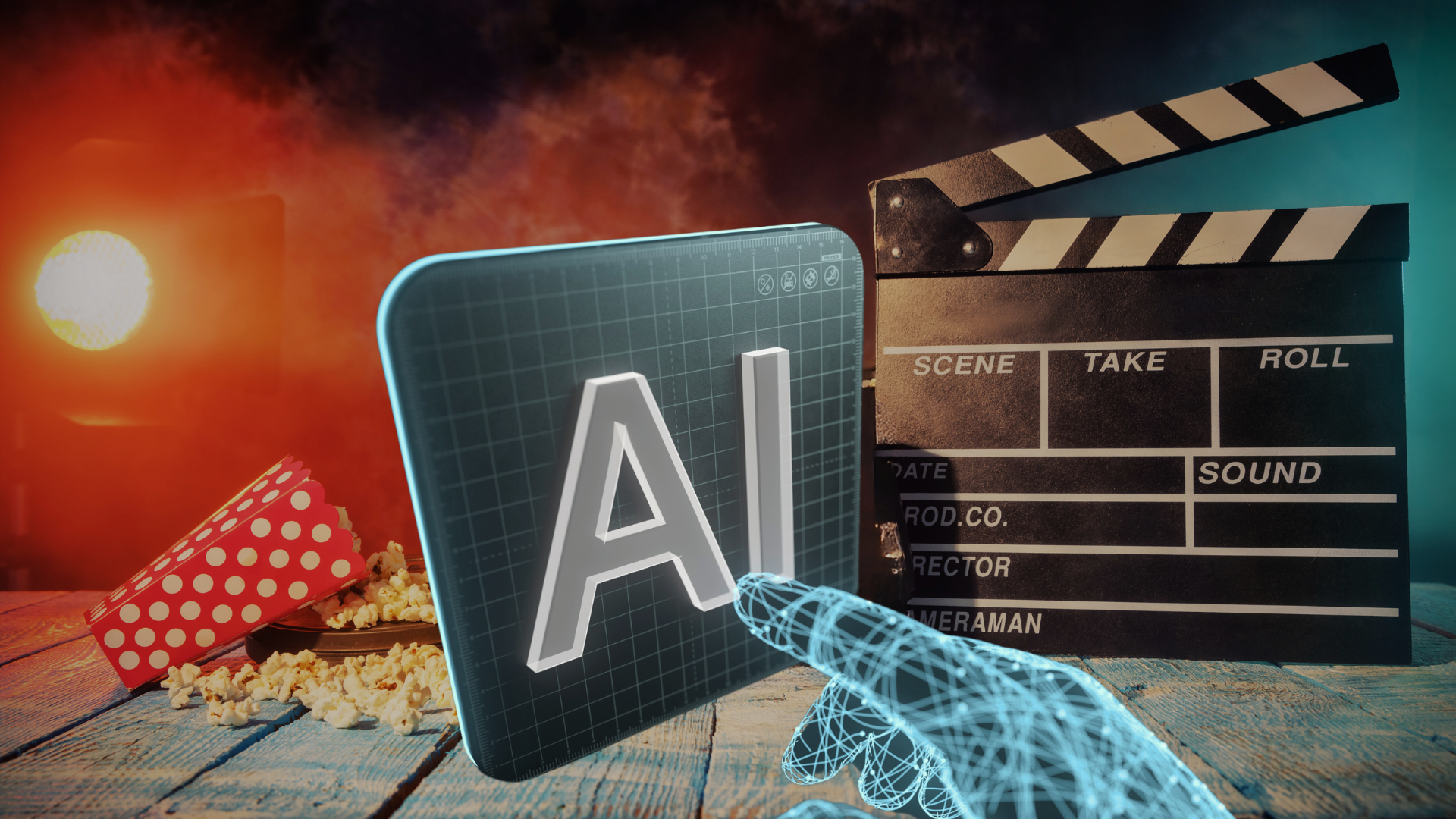 The intersection of artificial intelligence (AI) and filmmaking has transitioned from mere novelty to a substantial tool within the industry, and this evolution was on full display at the second annual AI Film Festival hosted by Runway AI Inc. in Los Angeles. The event showcased a tenfold increase in submissions, jumping from 300 to 3,000 videos since last year, reflecting a growing interest and investment in AI-driven filmmaking.
Source: AI Film Festival Shows Increasing AI Integration in Filmmaking — AI In Hollywood
Can Regulation Deep Six Deepfakes?
The National Institute of Standards and Technology (NIST), a basic science and research arm of the Commerce Department best known, if at all, for tackling knotty challenges like accurately centering quantum dots in photonic chips and developing standard reference materials for measuring the contents of human poop used in medical research and treatments, last week took up the problem of identifying AI generated and manipulated audio, video, images and text.
Tasked by President Biden’s Executive Order on AI with helping to improve the safety, security and trustworthiness of AI systems, NIST has issued a GenAI Challenge inviting teams of researchers from academia, industry and other research labs to participate in a series of challenges intended to evaluate systems and methods of identifying synthetic content.
Researchers investigating generative AI and scholarly publishing
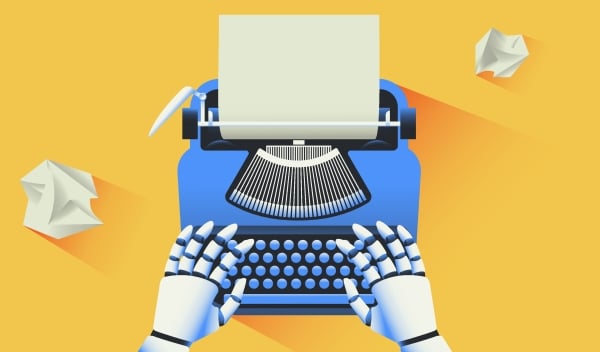 Since generative AI is still so new—ChatGPT went public in late 2022 and had 100 million monthly active users within two months—there’s not much uniformity across higher education about if or how students and faculty members should use it to aid in the completion of assignments and research papers. A new study by Ithaka S+R seeks to gain insight into the technology’s potential to transform the production of academic scholarship.
Source: Researchers investigating generative AI and scholarly publishing
Randy Travis returns with new song thanks to Warner’s AI experiment
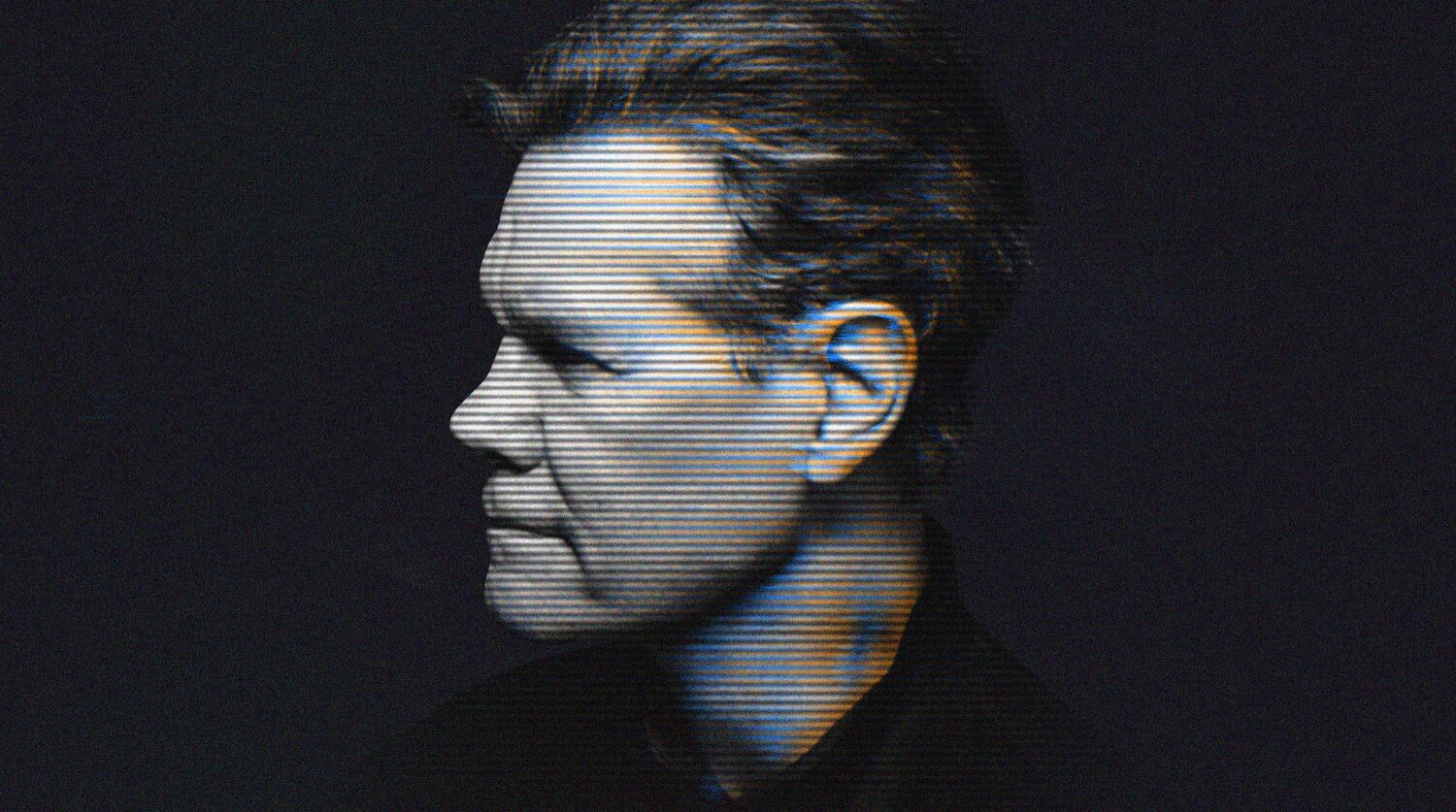 Country music legend Randy Travis, who has been battling limited speech for over a decade following a debilitating stroke, surprised fans with the release of his first new song in over a decade. The song called Where That Came From, was released on the occasion of his 65th birthday in collaboration with Warner Music Nashville. Warner saw an opportunity to utilize AI “for good” with its effort to restore Travis’ voice.
Source: Randy Travis returns with new song thanks to Warner’s AI experiment
How generative AI is influencing the creator economy
 For many creatives, AI has evolved from a fear striking buzzword to steadfast companion. It’s now a tool that is seamlessly and regularly applied to the whole of the creative process: from ideation, through strategy and production, to execution. Its ability to streamline production and enhance outputs makes it a necessity for industry professionals — if you aren’t using it, your competitors are.
Source: How generative AI is influencing the creator economy
OpenAI Says It Can Now Detect Images Spawned by Its Software
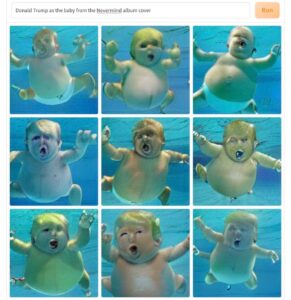 OpenAI on Tuesday is launching a new tool that can detect whether an image was created using the company’s text-to-image generator, DALL-E 3. OpenAI officials said that the tool is highly accurate in detecting DALL-E 3 images, but that small changes to a picture can confuse it—reflecting how artificial-intelligence companies are playing catch up in the ability to track their own technology.
Source: OpenAI Says it Can Now Detect Images Spawned by its Software
Can Copyright Law Save Journalism From A.I.?
 A group of newspapers is suing OpenAI and Microsoft, accusing them of effectively stealing—and profiting from—journalists’ work. This could well be an existential legal fight. Some of Silicon Valley’s tech barons are openly hostile to journalism, dreaming of the day when it can be “disrupted” or rendered obsolete. To do so, however, they may have to get through copyright law first.
AI Is Gathering a Growing Amount of Training Data Inside Virtual Worlds
 For color images, the widely used RGB (red, green, blue) model can correspond to over 16 million possible colors. So as graphics rendering technology becomes ever more photorealistic, the distinction between pixels captured by real-world cameras and ones rendered in a game engine is falling away.
Source: AI Is Gathering a Growing Amount of Training Data Inside Virtual Worlds