
 German firm AIxchange is the latest startup building bridges between the music industry and GenAI companies through licensing deals for the music data used by the latter to train their models. “Our mission is to empower the GenAI music revolution by offering legal, high-quality music training data, ensuring ethical and compliant licensing for AI music generation,” explains operations manager Peer-Uli May.
Technology
Music publishers file amended lawsuit against AI firm Anthropic
 Music publishers have refiled their legal complaint against Anthropic, and the AI company has once again moved to have the case dismissed. But this time, the publishers say they come armed with a stronger case, and they argue Anthropic hasn’t. “For its part, Anthropic’s motion to dismiss simply rehashes some of the arguments from its earlier motion – while giving up on others altogether,” a spokesperson for the plaintiff publishing companies said.
EU Commission opens door for ‘targeted changes’ to AI Act
 The European Commission is open to amending the EU’s Artificial Intelligence Act following an upcoming review, a top Commission official told POLITICO’s AI and Tech Summit Tuesday. Kilian Gross, head of the Commission’s AI policy unit, ruled out fundamental reform of the rules and said that simplifying the implementation is the Commission’s first focus. But “if this should not be enough, we will as well reflect whether we need targeted changes.”
Source: EU Commission opens door for ‘targeted changes’ to AI Act
How Google forced publishers to accept AI scraping as price of appearing in search
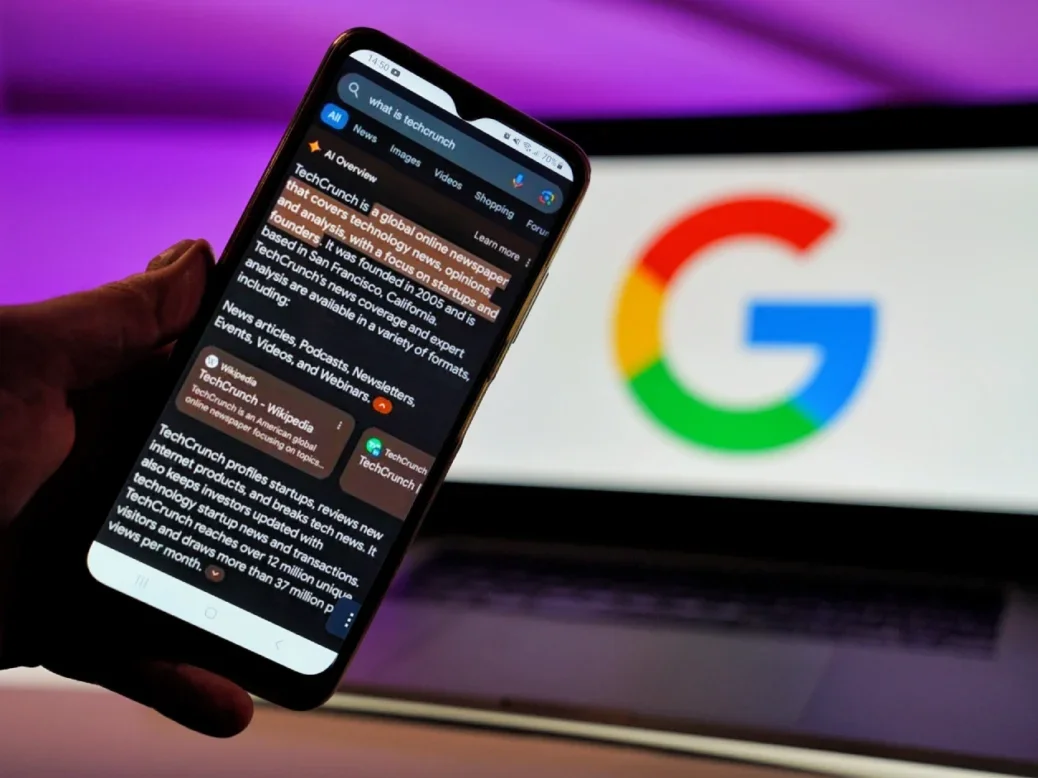 Google considered allowing publishers to opt out of their data being used for AI grounding and still appear in search results but described it as a “hard red line.” New documents disclosed in the remedies portion of an antitrust trial into Google’s search monopoly in the US reveals the tech giant preferred not to give publishers the option as it was “evolving into a space for monetization.”
Source: How Google forced publishers to accept AI scraping as price of appearing in search
SoundCloud says it isn’t using your music to train generative AI tools
 While the company says it hasn’t used user-created content for model training, it doesn’t rule out the possibility that it will in the future. A spokesperson for SoundCloud, provided the following statement. “SoundCloud has never used artist content to train AI models, nor do we develop AI tools or allow third parties to scrape or use SoundCloud content from our platform for AI training purposes.”
Source: SoundCloud says it isn’t using your music to train generative AI tools
AI narration: hope or hindrance to audio creation?
 When asked about AI narration, consumers often claim they prefer a human voice yet are increasingly unable to distinguish AI-generated narration from that of a real person. This aversion feels like it speaks to something else, an almost innate mistrust, a sense that something ineffable might be lost, even if we cannot verbalise what that is.
Publishers Prepare for Battle with Big Tech Over AI
 Jonathan Barnett, professor at the University of Southern California’s Gould School of Law and author of The Big Steal: Ideology, Interest, and the Undoing of Intellectual Property, warned that publishers and other IP businesses need to learn from the lessons of the past—namely, the losses they suffered when Google successfully bet that it could scrape all content available on the internet for free in developing Google Books, a move that a court determined was protected by the fair use doctrine.
AI Adoption Projected to Boost Media Industry Revenue by 10%
 A new report from Ernst & Young suggests that artificial intelligence could bring measurable financial benefits to the media and entertainment industry, predicting a 10% increase in revenue and a 15% decrease in operational costs for companies that adopt the technology strategically. With content demands growing across streaming, digital platforms, and global markets, the findings come at a moment when studios are seeking ways to scale output without scaling overhead.
Source: AI Adoption Projected to Boost Media Industry Revenue by 10% — AI In Hollywood
WMG launches Pulse app for artists to track streams, earnings, and fan engagement
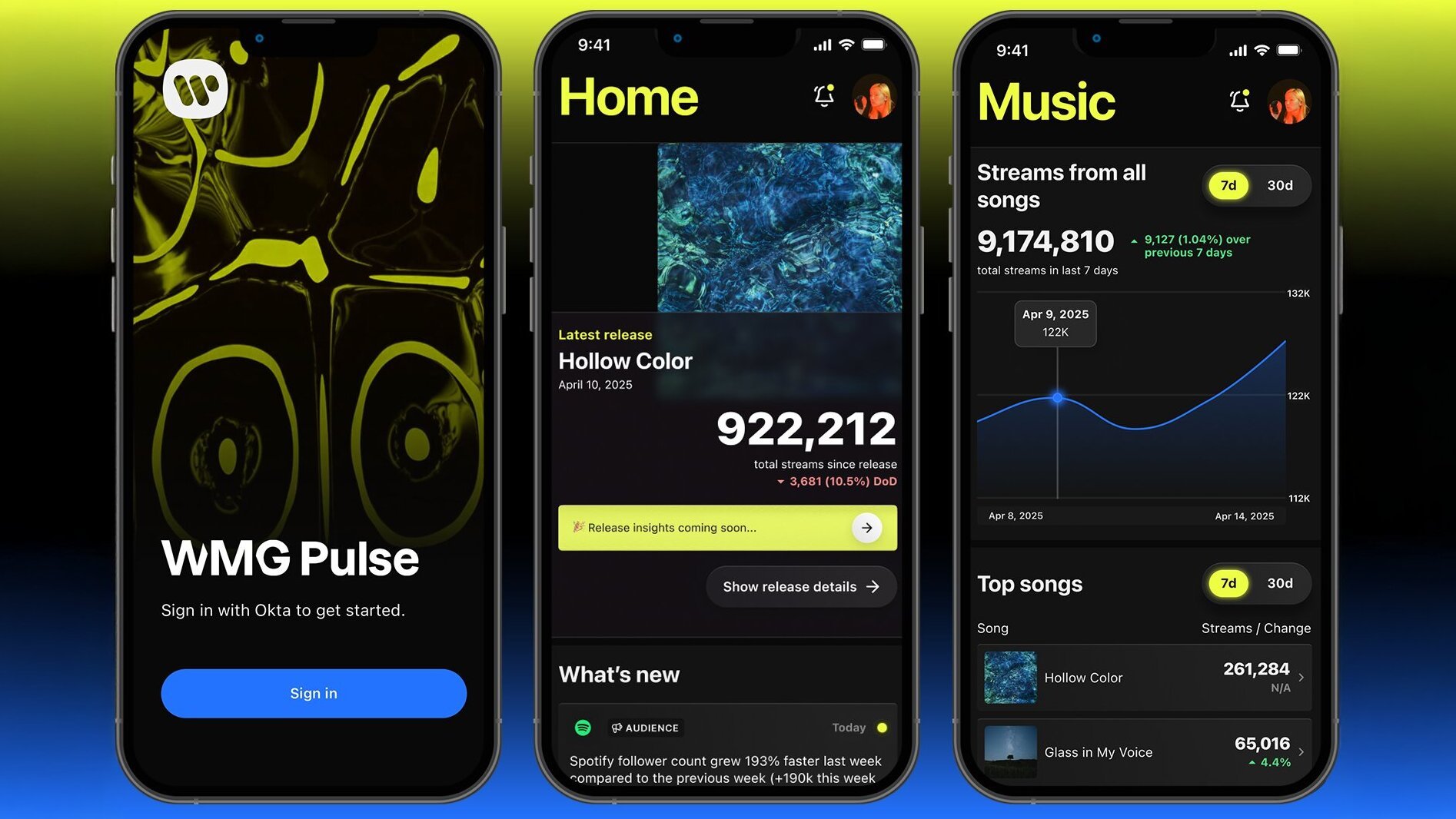 Warner Music Group has launched a new app called WMG Pulse, described as a “powerful new platform that puts clear, meaningful insights into the hands of artists and songwriters”. The app lets WMG artists, songwriters, their managers, and teams access real-time information about streaming performance, fan engagement, and earnings across various platforms.
Downtown Licenses Content to Audius Blockchain Platform
 The deal encompasses both the recording and publishing side of Downtown’s business, and paves the way for millions of licensed recordings from Downtown’s extensive catalog to be added to Audius. It also unlocks a new way for Downtown’s artists and labels to directly connect with their fans and control how their music is monetized beyond the typical streaming model.
Source: Downtown Licenses Content to Audius Blockchain Platform