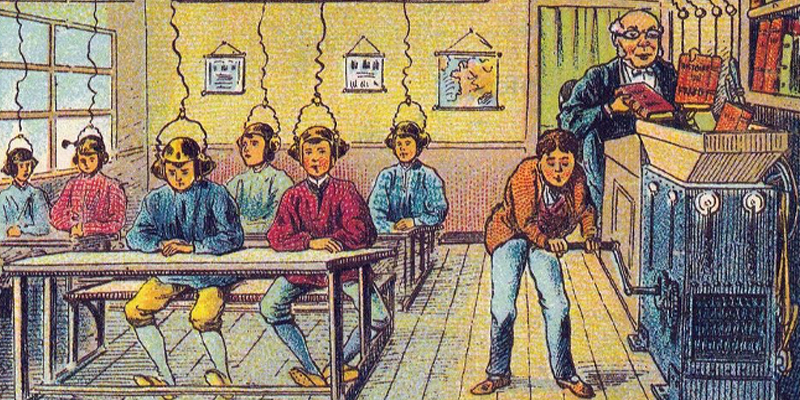
 A new study by scholars from MIT and Wellesley, titled “Your Brain on ChatGPT: Accumulation of Cognitive Debt when Using an AI Assistant for Essay Writing Task,” set up a months-long comparative experiment that measured the brains and essays of some student writers, and found that AI users “consistently underperformed at neural, linguistic, and behavioral levels.” Not only that, but the negative effects of using AI remained measurable in the participants afterwards, and even when they were doing their thinking without LLMs.
Technology
Meta’s AI Model ‘Memorized’ Huge Chunks of Books, Including ‘Harry Potter’ and ‘1984’

Source: Meta’s AI Model ‘Memorized’ Huge Chunks of Books, Including ‘Harry Potter’ and ‘1984’
Fanfiction writers battle AI, one scrape at a time
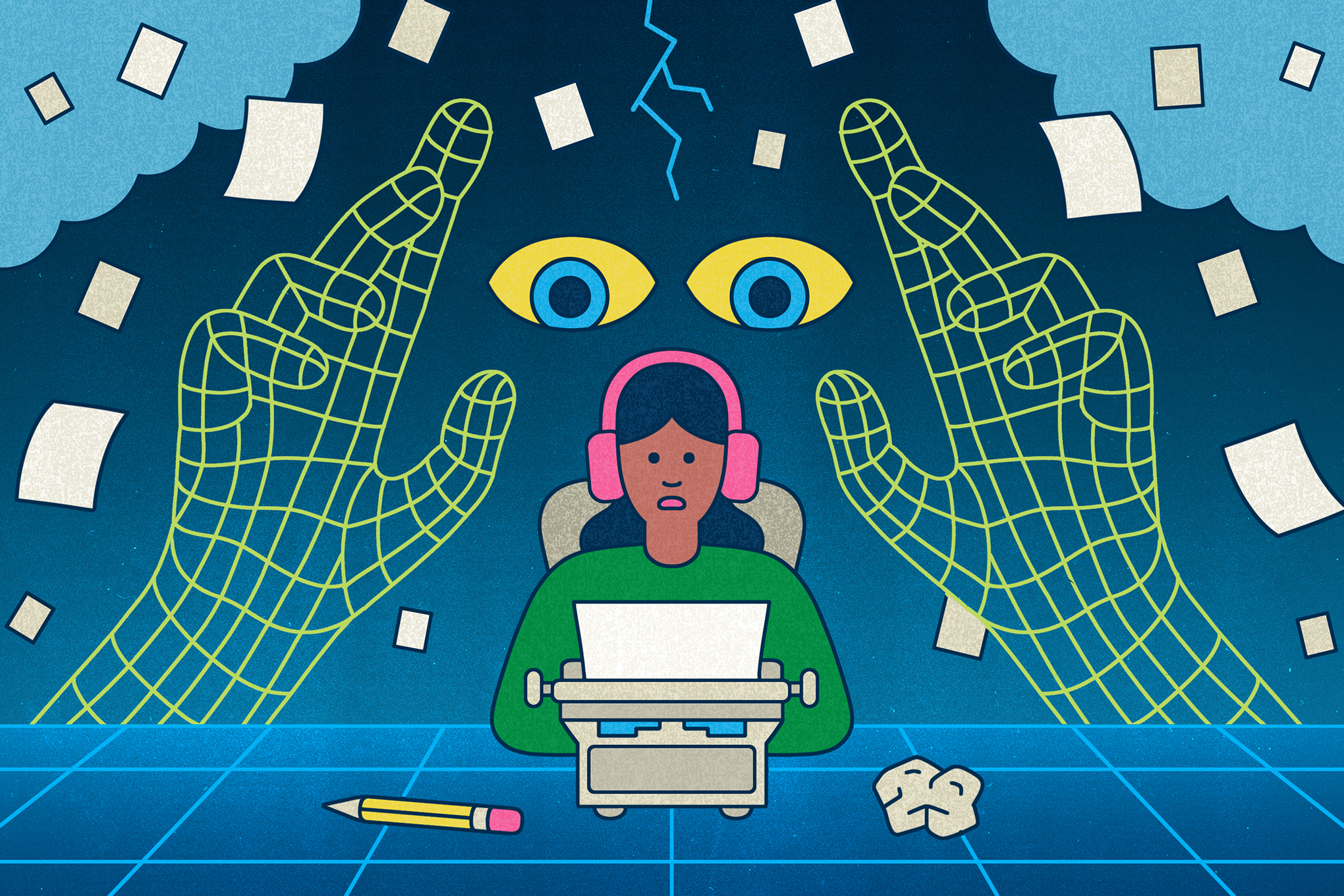 The latest salvo came in early April, when user nyuuzyou scraped 12.6 million fanfics from the online repository Archive of Our Own (AO3) and uploaded the dataset to Hugging Face, a company that hosts open-source AI models and software. Nyuuzyou’s upload was quickly discovered by the Reddit community r/AO3, where hundreds of users posted furious reactionsFanfic writers flooded the comment section of the dataset on Hugging Face, getting into arguments with AI defenders.
The music industry is building the tech to hunt down AI songs
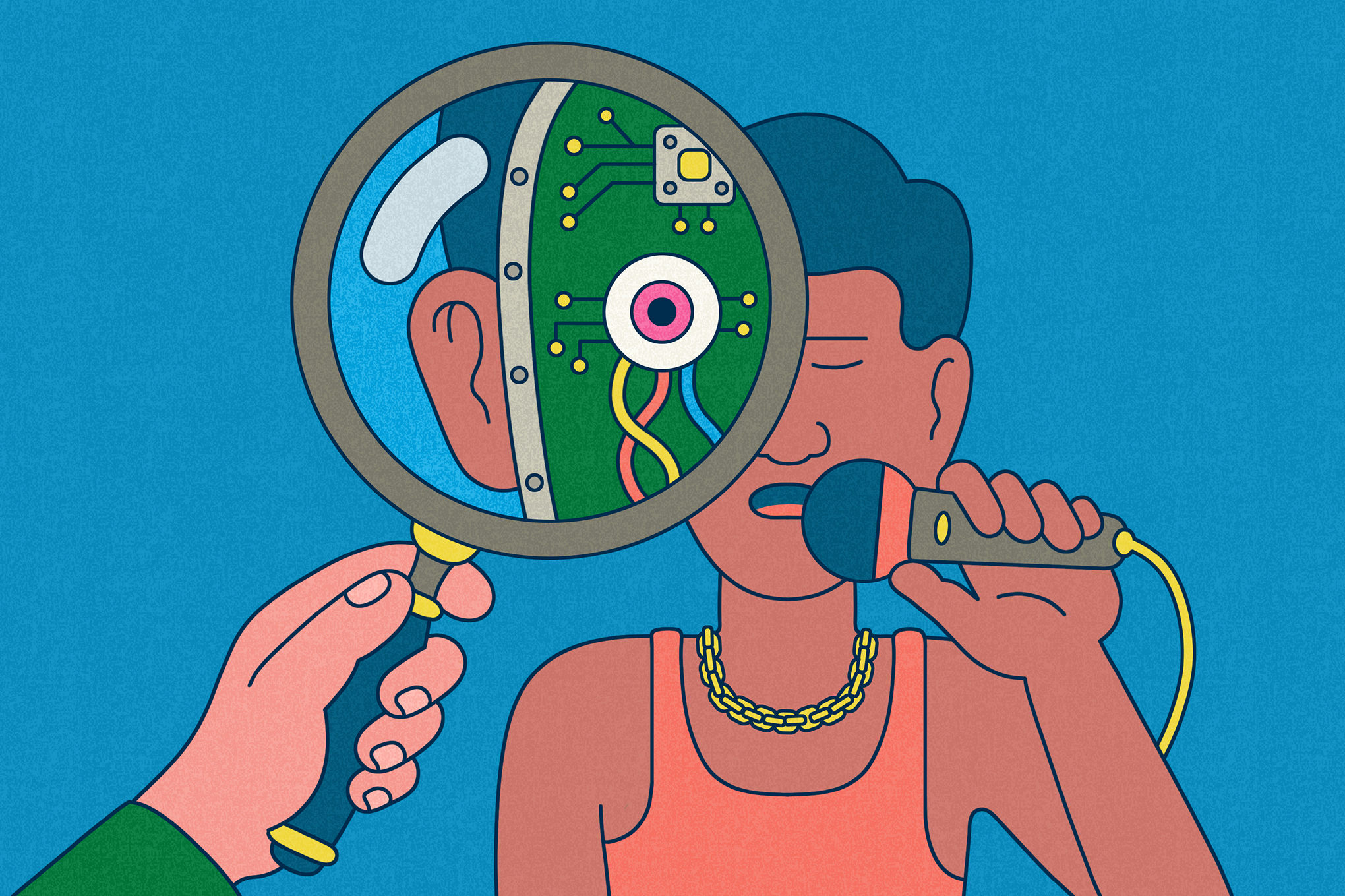 With no way to stop the onslaught of AI music, the industry is taking a different approach: figuring out how to make money off of it. Detection systems are being embedded across the entire music pipeline: in the tools used to train models, the platforms where songs are uploaded, the databases that license rights, and the algorithms that shape discovery. The goal isn’t just to catch synthetic content after the fact. It’s to identify it early, tag it with metadata, and govern how it moves through the system.
Source: The music industry is building the tech to hunt down AI songs
Suno and Udio hit with class action lawsuits from independent artist
 Suno and Udio have been slapped with another round of copyright litigation, this time by country musician Tony Justice, who filed class-action lawsuits against both controversial AI music generators. The complaints allege Suno and Udio used Justice’s recordings and works from “thousands of class members” without authorization to train their AI models.
Source: Suno and Udio hit with class action lawsuits from independent artist
Deezer rolls out AI tagging system to fight streaming fraud
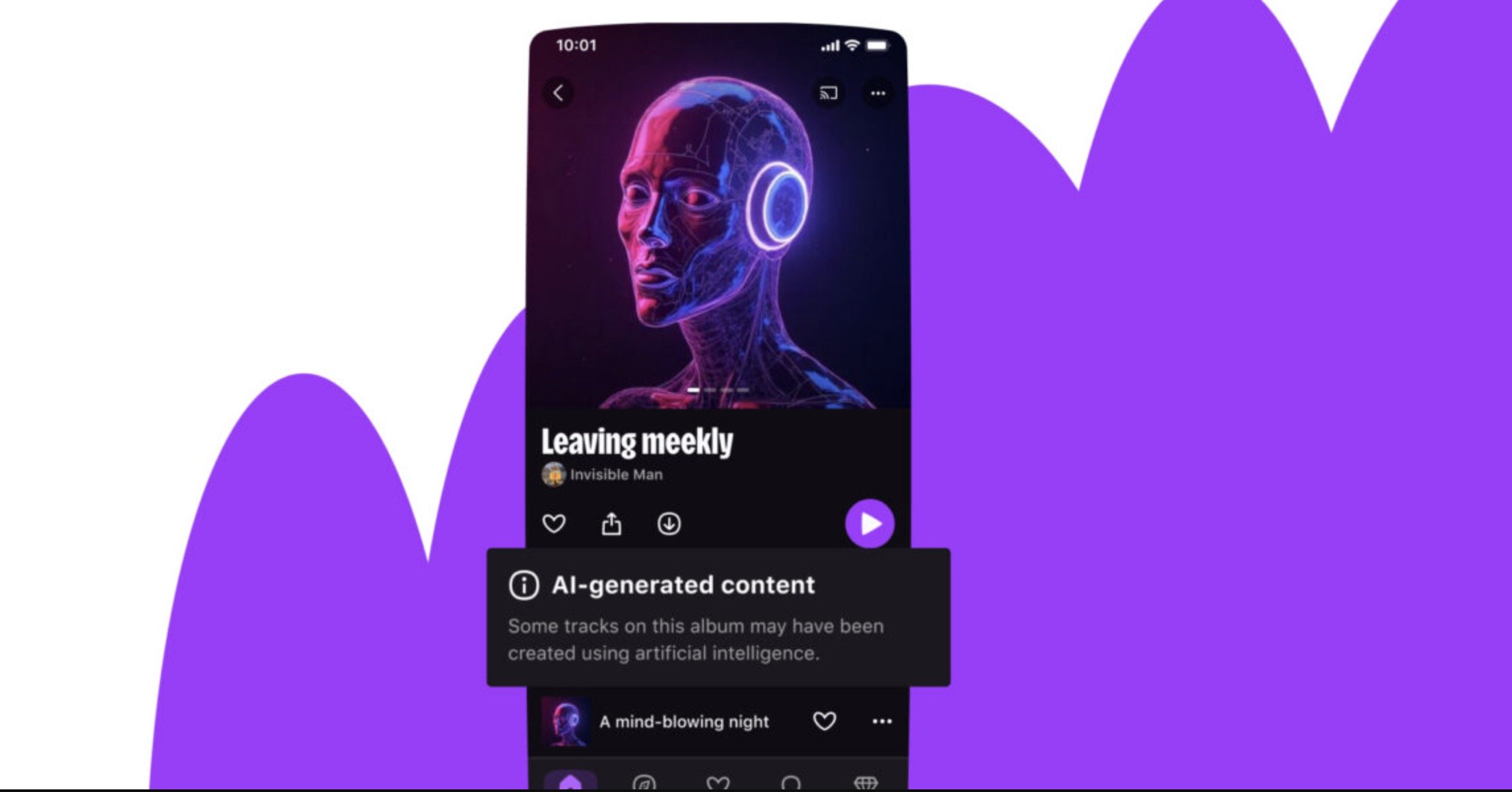 One way Deezer is addressing this influx of AI-generated content is by introducing what it claims to be “the world’s first” AI tagging system for music streaming. Deezer launched an AI detection tool in January after filing two patent applications for the technology in December. The company says that this tool can detect 100% AI-generated music from the “most prolific generative models” such as Suno and Udio.
Bots are overwhelming websites with their hunger for AI data
 Bots harvesting content for AI companies have proliferated to the point that they’re threatening digital collections of arts and culture. Galleries, Libraries, Archives, and Museums (GLAMs) say they’re being overwhelmed by AI bots according to a report issued on Tuesday by the GLAM-E Lab. The surge in bots that gather data for AI training, the report says, often went unnoticed until it became so bad that it knocked online collections offline.
Source: Bots are overwhelming websites with their hunger for AI data
Why Midjourney Made the Perfect Target for Hollywood’s First AI Lawsuit
 The lawsuit marks the first time major studios have sought to enforce their copyrights against an AI company. But the suit takes on one small company — Midjourney has 11 employees — for relatively egregious violations. “It just seems like the lowest hanging fruit and the easiest way to make a point,” says one exec at a rival company. At least for now, it isn’t a full-scale fight against AI.
Source: Why Midjourney Made the Perfect Target for Hollywood’s First AI Lawsuit
UK ministers delay AI regulation amid plans for more ‘comprehensive’ bill
 Proposals to regulate artificial intelligence have been delayed by at least a year as UK ministers plan a bumper bill to regulate the technology and its use of copyrighted material. Peter Kyle, the technology secretary, intends to introduce a “comprehensive” AI bill in the next parliamentary session to address concerns about issues including safety and copyright.
Source: UK ministers delay AI regulation amid plans for more ‘comprehensive’ bill
The Hidden Economy Behind AI: Data Licensing Takes Center Stage
 According to research by MarketsandMarkets, the global market for AI training datasets is projected to grow from $2.68 billion in 2024 to $11.16 billion by 2030, a compound annual growth rate of over 22%. Yet the size of the market tells only part of the story. Much of this activity happens under NDA, without pricing transparency, and often with questionable sourcing. The line between what is licensed and what is scraped remains blurred, and, increasingly, contested.
Source: The Hidden Economy Behind AI: Data Licensing Takes Center Stage – Kaptur