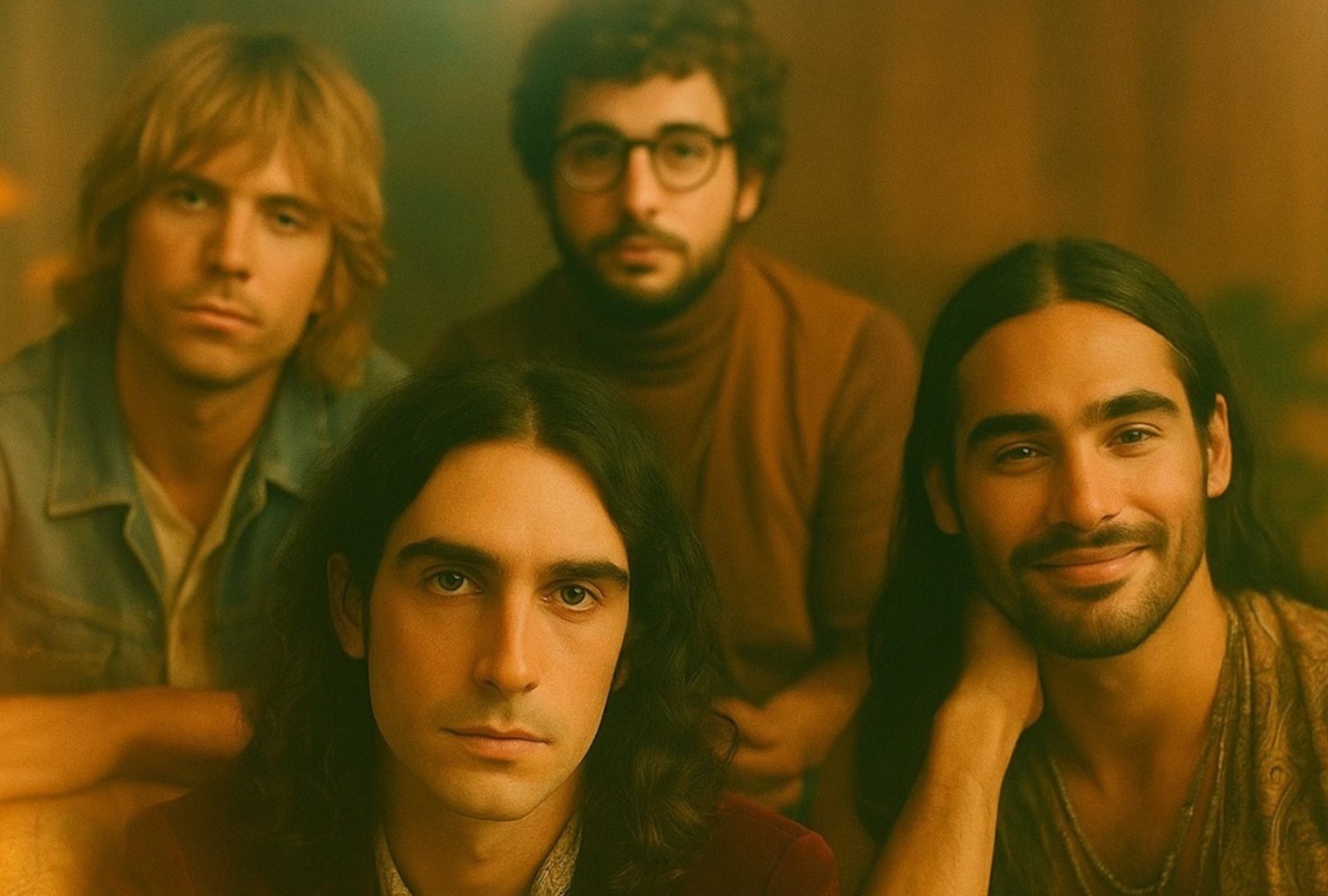
 The AI band The Velvet Sundown, who currently have over 900,000 monthly listeners on Spotify, have officially admitted — in a new revision to their Spotify bio — what was obvious to experts and non-experts alike: their music is, in fact, AI-generated. “The Velvet Sundown is a synthetic music project guided by human creative direction, and composed, voiced, and visualized with the support of artificial intelligence,” the band bio now reads.
Source: AI ‘Band’ the Velvet Sundown Officially Confirm They’re AI — and a ‘Provocation’




 The battle between technology heavyweights and many of the country’s most famous creative companies and artists is playing out in Washington and in court. At stake are billions of dollars and precedents that could shape the future of AI and U.S. copyright law. While the fight is far from over, some in creative industries fear it might be too late to stop the advance of AI as it roils their professions.