Rights

Spotify, NMPA Partner on New Audiovisual Revenue Stream for Music Creators

Spotify and the National Music Publishers’ Association (NMPA) have joined forces to create a new opt-in license for NMPA members to enter into a direct license agreement for “expanded audiovisual rights” in the U.S., according to a press release about the deal. NMPA members can sign up using a portal, and the deal is said to increase the royalty-earning potential of participating publishers and writers by offering them a new audiovisual royalty stream.

Source: Spotify and NMPA Partner to Launch New Audiovisual Revenue Stream for Music Creators
GEMA wins landmark ruling against OpenAI over ChatGPT’s use of song lyrics

The court ruled on Tuesday (November 11) that OpenAI should have acquired licenses for German song lyrics in GEMA’s repertoire before using them to train and operate ChatGPT. The verdict marks the first time a European court has legally examined and ruled in favor of creators whose works have been used by generative AI systems. According to the ruling, ChatGPT’s systems contain copies of original works that are reproduced and made available in response to user prompts.

Source: GEMA wins landmark ruling against OpenAI over ChatGPT’s use of song lyrics

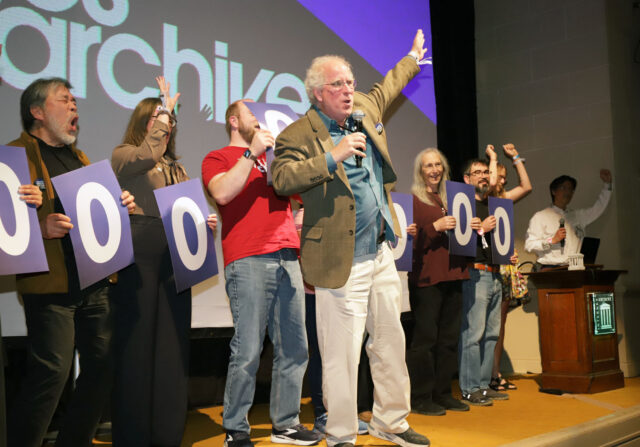
Internet Archive’s legal fights are over, but its founder mourns what was lost

The Internet Archive might sound like a thriving organization, but it only recently emerged from years of bruising copyright battles that threatened to bankrupt the beloved library project. In the end, the fight led to more than 500,000 books being removed from the Archive’s “Open Library.” “We survived,” Internet Archive founder Brewster Kahle told Ars. “But it wiped out the Library.”

Source: Internet Archive’s legal fights are over, but its founder mourns what was lost

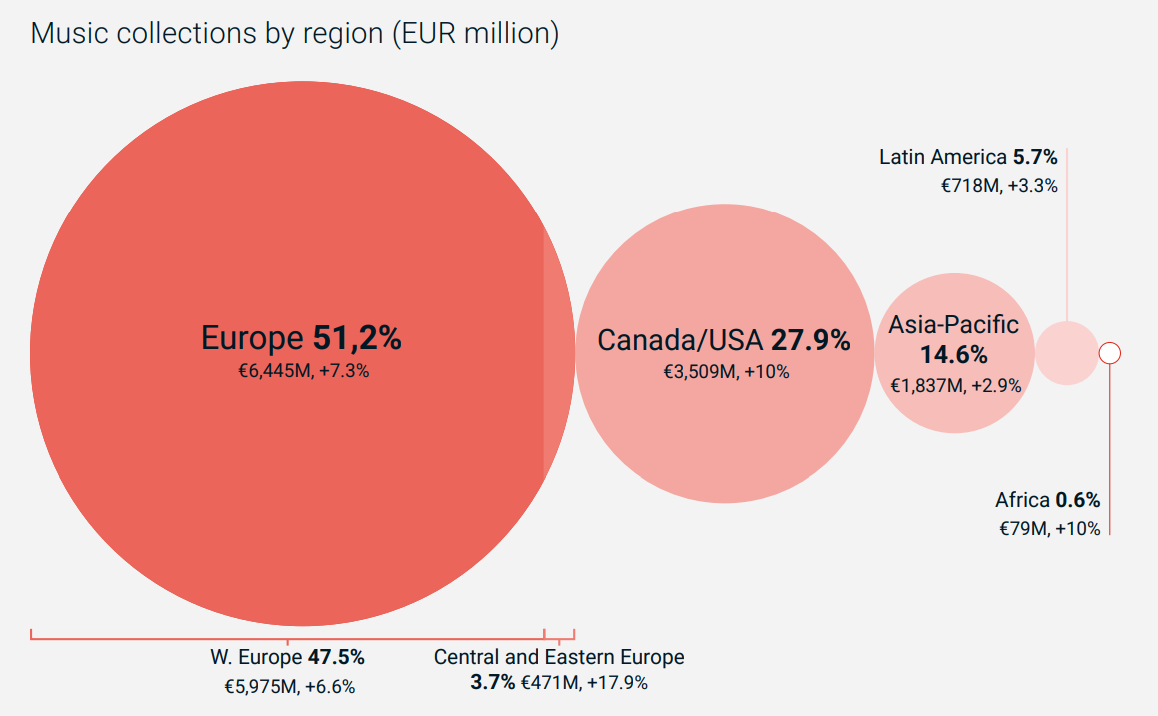
Global songwriter royalties reached $13.6bn in 2024, up 7.2%, CISAC reports

In its latest Global Collections Report, CISAC, which represents 228 CMOs in 111 countries, reported total royalty collections of €13.97 billion (USD $15.12 billion) across music, audiovisual, visual arts, literature and drama in 2024. That’s a 6.6% increase over 2023. Royalties to songwriters and publishers accounted for fully 90% of that total, growing 7.2% YoY to €12.59 billion ($13.63 billion).

Source: Global songwriter royalty collections reached $13.6bn in 2024, up 7.2%, CISAC reports

People Inc. forges AI licensing deal with Microsoft as Google traffic drops 

People Inc., one of the largest media publishers in the U.S., has signed an AI licensing deal with Microsoft. The media giant (formerly known as Dotdash Meredith) made the announcement Tuesday as a part of parent company IAC’s third-quarter earnings. People Inc. CEO Neil Vogel described the new marketplace as “essentially a pay-per-use market where AI players directly can compensate publishers for use of their content on, sort of like an ‘a la carte’ basis.”

Source: People Inc. forges AI licensing deal with Microsoft as Google traffic drops | TechCrunch

How Can Creators Navigate Fragmented Copyright Laws in a Global World? 

The rapid proliferation of artificial intelligence across creative industries has sparked a cascade of legislative and judicial activity worldwide, reshaping how intellectual property is defined, created, and protected. For media and entertainment companies, content creators, and IP rightsholders, these evolving—and often conflicting—international approaches to AI and copyright present new challenges and can raise more questions than answers.

Source: AI’s Passport Problem: How Can Media and Content Creators Navigate Fragmented Copyright Laws in a Global World? | Davis Wright Tremaine

Studio Ghibli and other Japanese publishers want OpenAI to stop training on their work

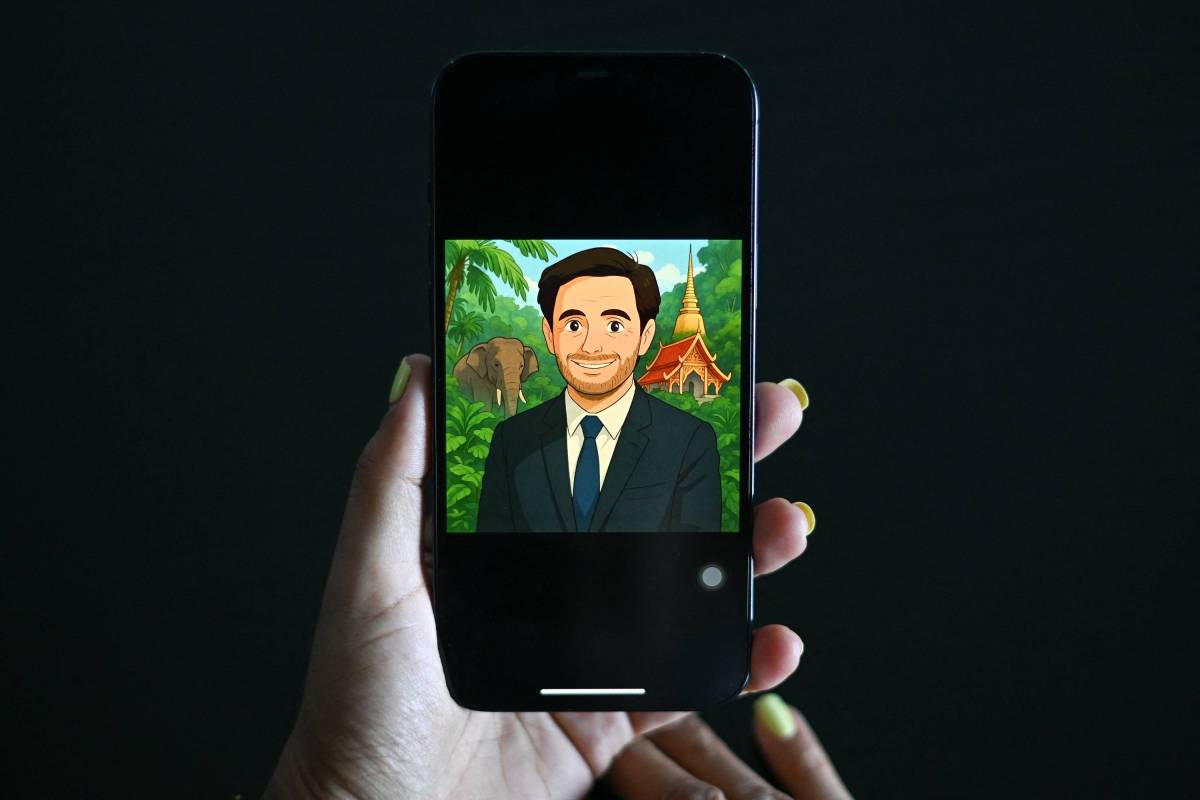
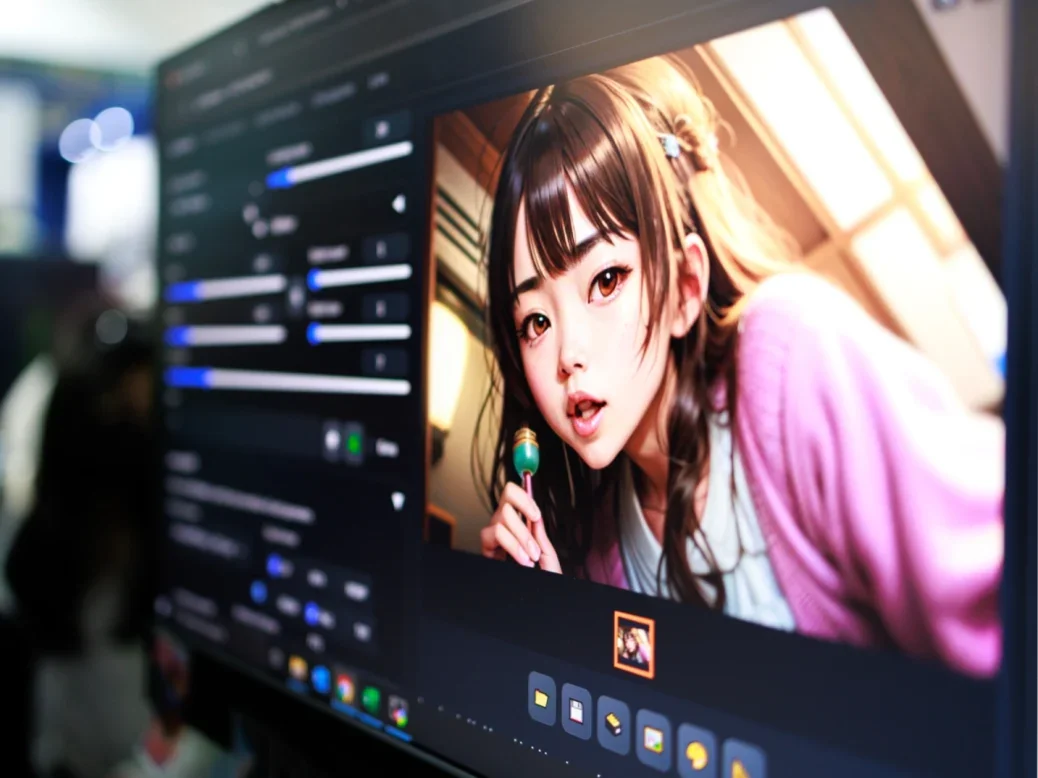
When ChatGPT’s native image generator was released in March, it became a popular trend for users to prompt for re-creations of their selfies or pet pictures in the style of the studio’s films. Now, as more people get access to OpenAI’s Sora app and video generator, Japan’s Content Overseas Distribution Association (CODA) has requested that OpenAI refrain from using its members’ content for machine learning without permission.

Source: Studio Ghibli and other Japanese publishers want OpenAI to stop training on their work | TechCrunch

Getty vs Stability AI ruling is ‘damp squib’ that fails to create precedent

Getty withdrew a key part of its case against Stability AI during the trial as it admitted there was no evidence the training and development of AI text-to-image product Stable Diffusion took place in the UK. In addition a claim of secondary infringement of copyright was dismissed because, the judge said, “an AI model such as Stable Diffusion which does not store or reproduce any Copyright Works (and has never done so) is not an ‘infringing copy’” under UK law.

Source: Getty vs Stability AI ruling is ‘damp squib’ that fails to create precedent

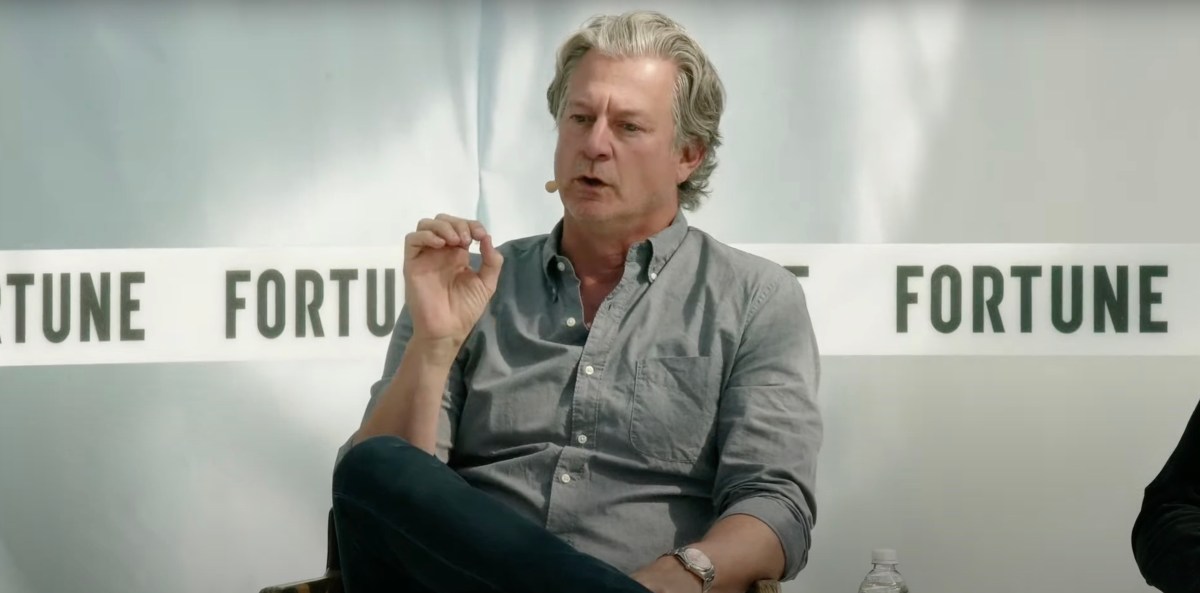
Irving Azoff, MAC Demand ‘Creative Control, Fair Compensation’

The Music Artists Coalition responds to Universal Music Group’s partnership with AI platform Udio, demanding clarity and compensation. “Every technological advance offers opportunity, but we have to make sure it doesn’t come at the expense of the people who actually create the music—artists and songwriters,” said Irving Azoff, board member and founder of MAC. “We’ve seen this before—everyone talks about ‘partnership,’ but artists end up on the sidelines with scraps.”

Source: Irving Azoff, MAC Demand ‘Creative Control, Fair Compensation’

How AI browsers sneak past blockers and paywalls.

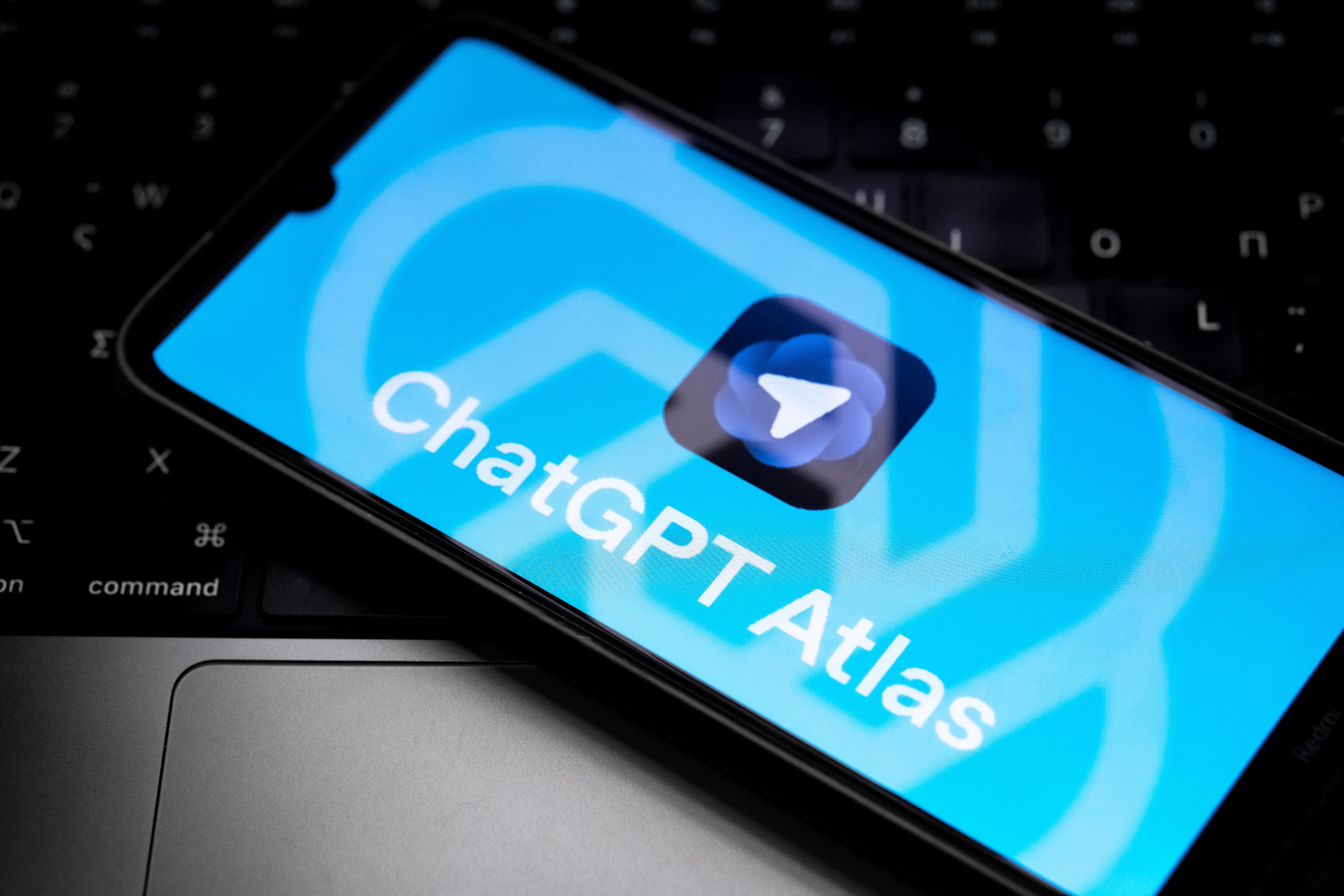
AI browsers present new problems for media outlets, because agentic systems are making it even more difficult for publishers to know and control how their articles are being used. For instance, when we asked Atlas and Comet to retrieve the full text of a nine-thousand-word subscriber-exclusive article in the MIT Technology Review, the browsers were able to do it.

Source: How AI browsers sneak past blockers and paywalls.

Get the latest RightsTech news and analysis delivered directly in your inbox every week
We respect your privacy.