 With no way to stop the onslaught of AI music, the industry is taking a different approach: figuring out how to make money off of it. Detection systems are being embedded across the entire music pipeline: in the tools used to train models, the platforms where songs are uploaded, the databases that license rights, and the algorithms that shape discovery. The goal isn’t just to catch synthetic content after the fact. It’s to identify it early, tag it with metadata, and govern how it moves through the system.
Source: The music industry is building the tech to hunt down AI songs

 In its newly released Industry Insights 2024 report, the United Kingdom’s Publishers Association has announced that, “Audiobooks and fiction drove publishing growth in 2024. “Audiobook revenue was £268 million (US$361.2 million)—a record high that’s 31 percent above the same figure in 2023.” In fact, digital formats are reported to have been “a key driver of growth with increased revenue across all three sectors—academic, educational, and consumer.”

 Judge William Alsup just issued his order on summary judgment. It’s a major win for the plaintiffs Bartz, even though the court ruled that the use of copies to train Anthropic’s model were fair use. Significantly, the court also ruled that Anthropic’s acquisition of pirated books from shadow libraries (Books3, LibGen, and Pirate Library Mirror) that Anthropic used to create its own general library at Anthropic was copyright infringement.


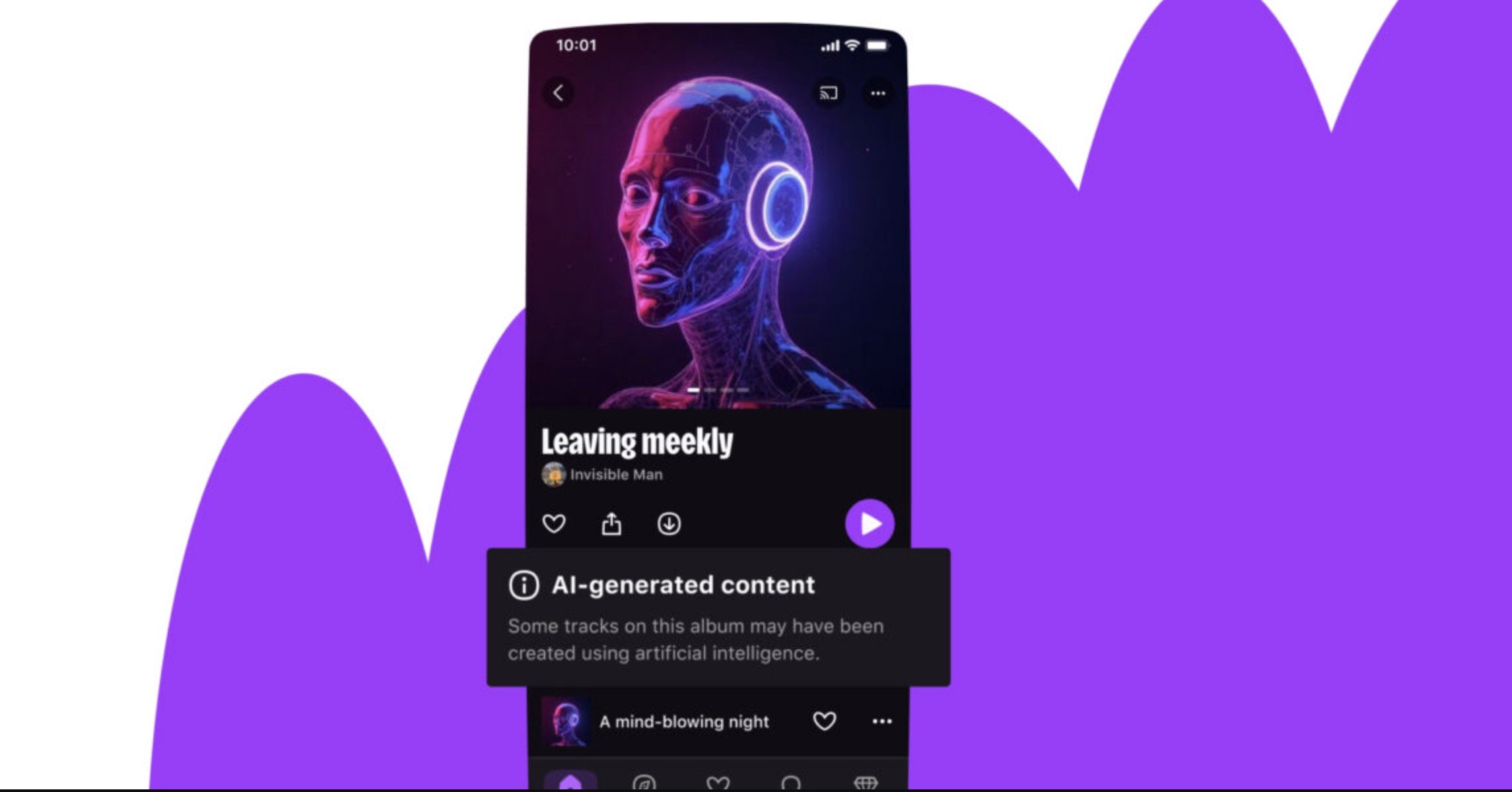
 The company said AI-made music accounts for just 0.5% of streams on the music streaming platform but its analysis shows that fraudsters are behind up to 70% of those streams. AI-generated music is a growing problem on streaming platforms. Fraudsters typically generate revenue on platforms such as Deezer by using bots to “listen” to AI-generated songs – and take the subsequent royalty payments, which become sizeable once spread across multiple tracks.