 Reddit Answers will respond to users’ questions with summaries of conversations from across the social media platform, and provide links to relevant communities and posts, the company said. The chatbot can also make recommendations and suggest follow-up questions. With the AI chatbot, Reddit users can skip using Google search or OpenAI’s ChatGPT to find information and discussions on Reddit.
Source: Reddit is taking on Google and ChatGPT with its own AI chatbot
 Giving artificial intelligence models consent to use content for training is a “perfect use case” for blockchain technology, according to Avery Ching, co-founder and chief technology officer of Aptos. He highlighted the potential for blockchain to provide clear consent mechanisms for determining whether specific content can be used for AI training.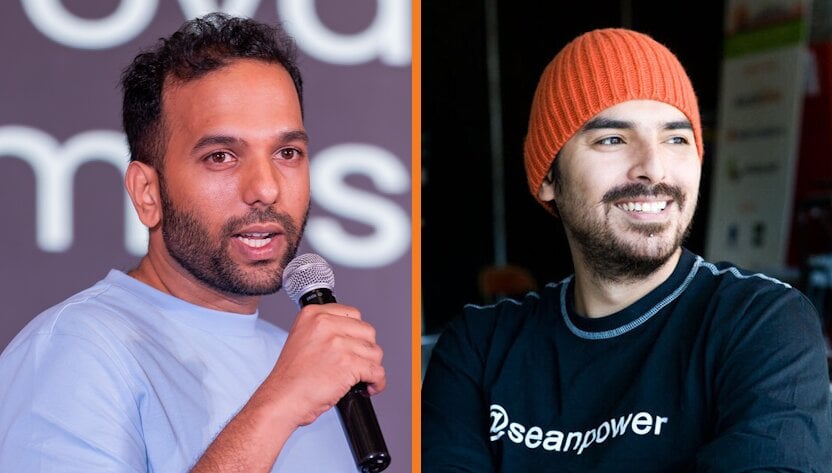

 Dow Jones-owned business intelligence search engine Factiva is adding generative AI summaries to its search results. The news database has deployed Google’s Gemini technology as part of News Corp’s ongoing business partnership with the tech giant. Factiva approached every one of its almost 4,000 sources for new generative AI permissions and received the go-ahead from a “significant subset” of them according to general manager Traci Mabrey.

 Leading AI companies rely more on content from premium publishers to train their large language models (LLMs) than they publicly admit, according to new research from executives at Ziff Davis. While AI firms generally do not say exactly what data they use for training, executives from Ziff Davis say their analysis of publicly available datasets makes it clear that AI firms rely disproportionately on commercial publishers of news and media websites to train their LLMs.