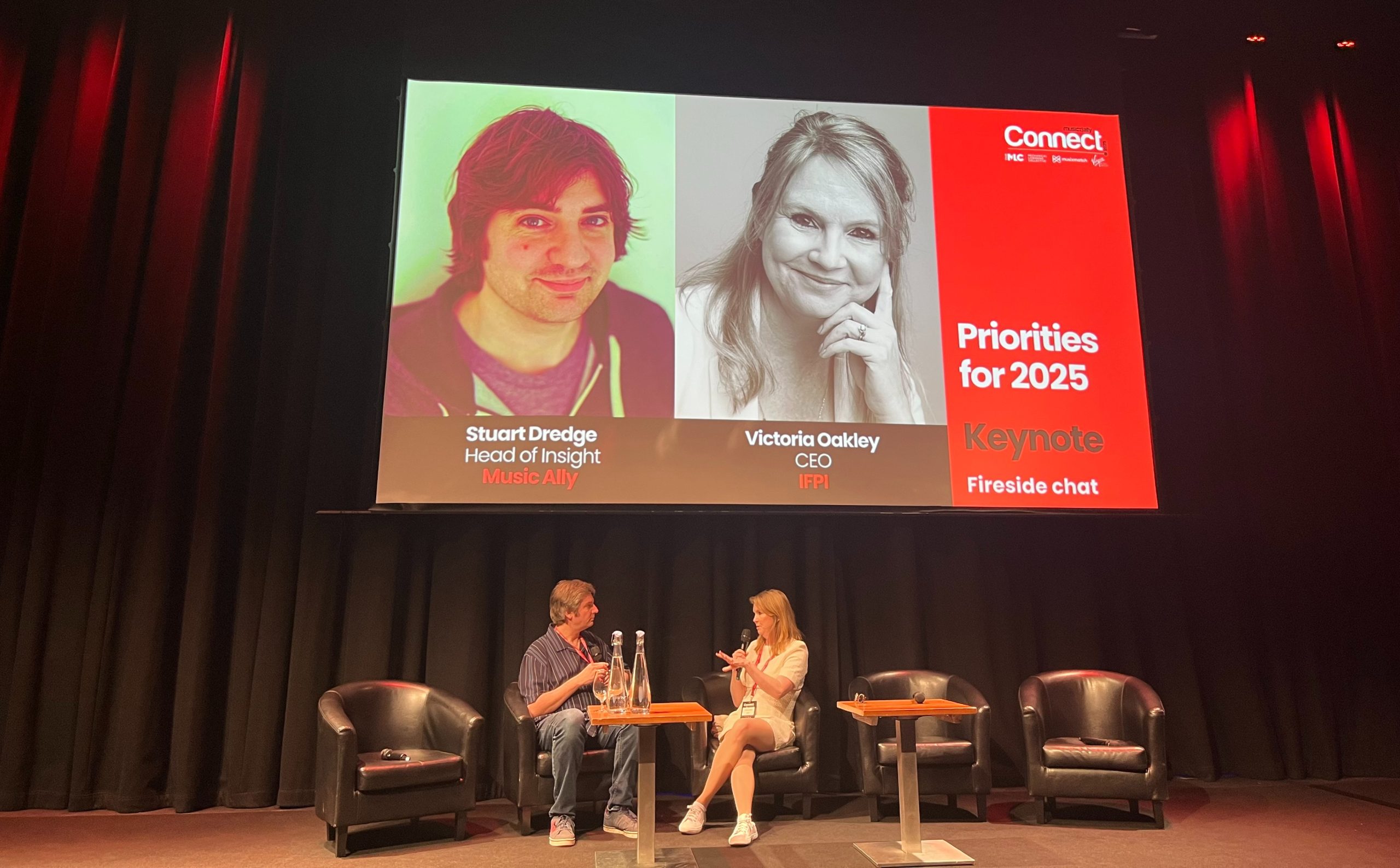
 At Music Ally Connect in London today, Oakley sat down for a keynote interview, stating with her first-six-months impressions of the industry. “Man, it’s complicated. You would not design an industry from scratch like this! So getting your head around it is very, very complicated, ” said Oakley. “It’s also deeply misunderstood. And I think that is a big part of our challenge, for all of us who care about the music industry and the ecosystem.”
Source: IFPI CEO Victoria Oakley talks AI, fraud and lobbying: ‘We have a compelling story to tell’




 The Data Protection Authority said Friday that the Californian darling of the artificial intelligence sector processed users’ personal data to train its ChatGPT chat service without identifying an adequate legal basis and violated the country’s rules on transparency for users. It also said the company did not notify it of a March 2023 data breach.
 The stock-image house has unveiled a “research licence” for the training of open-source AI models, which it hopes will be a springboard into commercial licences as partners develop their businesses. “By first integrating a research licence, startups and AI companies can build and refine AI tools on premium, licensed data before making a larger commitment in a full commercial licence,” is how Shutterstock described it.
 The International Standard Name Identifier (ISNI) has become an imperative in the evolving landscape of book publishing. As our industry grows ever more digital and interconnected, ISNI’s role in ensuring accurate identification and the attribution of works to contributors—including authors, editors, illustrators, translators, agents, and organizations—has shifted from a technical utility to a strategic necessity.