
 The rapid proliferation of artificial intelligence across creative industries has sparked a cascade of legislative and judicial activity worldwide, reshaping how intellectual property is defined, created, and protected. For media and entertainment companies, content creators, and IP rightsholders, these evolving—and often conflicting—international approaches to AI and copyright present new challenges and can raise more questions than answers.
Studio Ghibli and other Japanese publishers want OpenAI to stop training on their work
 When ChatGPT’s native image generator was released in March, it became a popular trend for users to prompt for re-creations of their selfies or pet pictures in the style of the studio’s films. Now, as more people get access to OpenAI’s Sora app and video generator, Japan’s Content Overseas Distribution Association (CODA) has requested that OpenAI refrain from using its members’ content for machine learning without permission.
Source: Studio Ghibli and other Japanese publishers want OpenAI to stop training on their work | TechCrunch
Getty vs Stability AI ruling is ‘damp squib’ that fails to create precedent
 Getty withdrew a key part of its case against Stability AI during the trial as it admitted there was no evidence the training and development of AI text-to-image product Stable Diffusion took place in the UK. In addition a claim of secondary infringement of copyright was dismissed because, the judge said, “an AI model such as Stable Diffusion which does not store or reproduce any Copyright Works (and has never done so) is not an ‘infringing copy’” under UK law.
Source: Getty vs Stability AI ruling is ‘damp squib’ that fails to create precedent
Australia Moves Ahead With Streamer Quotas to Boost Local Storytelling
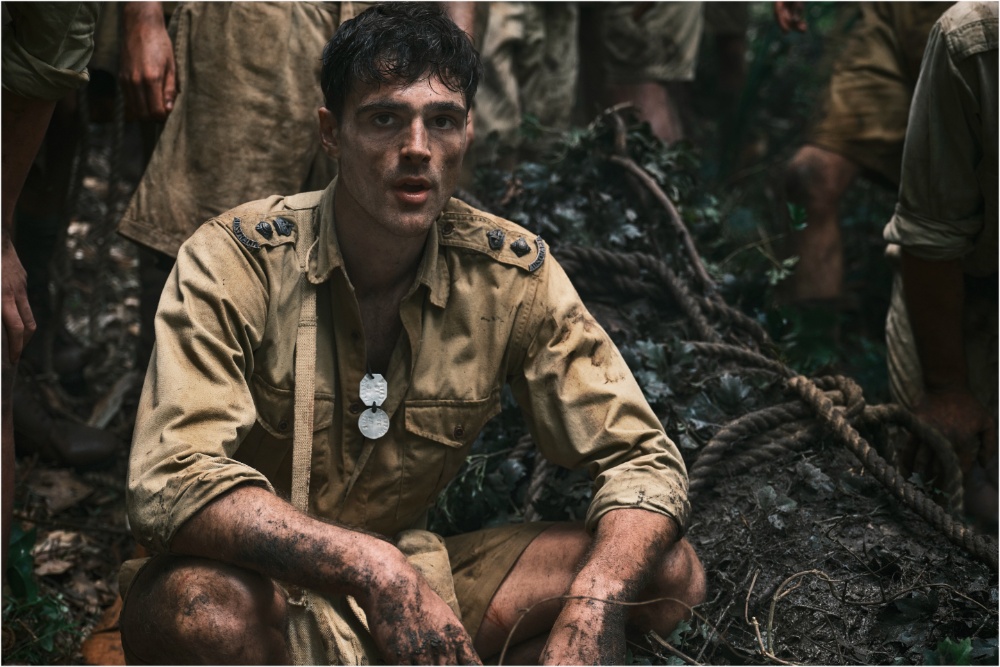 Australia has finally pulled the trigger on long-mooted streaming quotas, confirming a landmark bill that will compel streaming platforms to invest a fixed share of their Australian revenue or expenditure into homegrown programming. The bill, to be introduced this week, will require major streamers to allocate roughly 10% of their Australian expenditure or 7.5% of local revenue to Australian drama, documentary, children’s and cultural programming.
Source: Australia Moves Ahead With Streamer Quotas to Boost Local Storytelling
AI against the arts
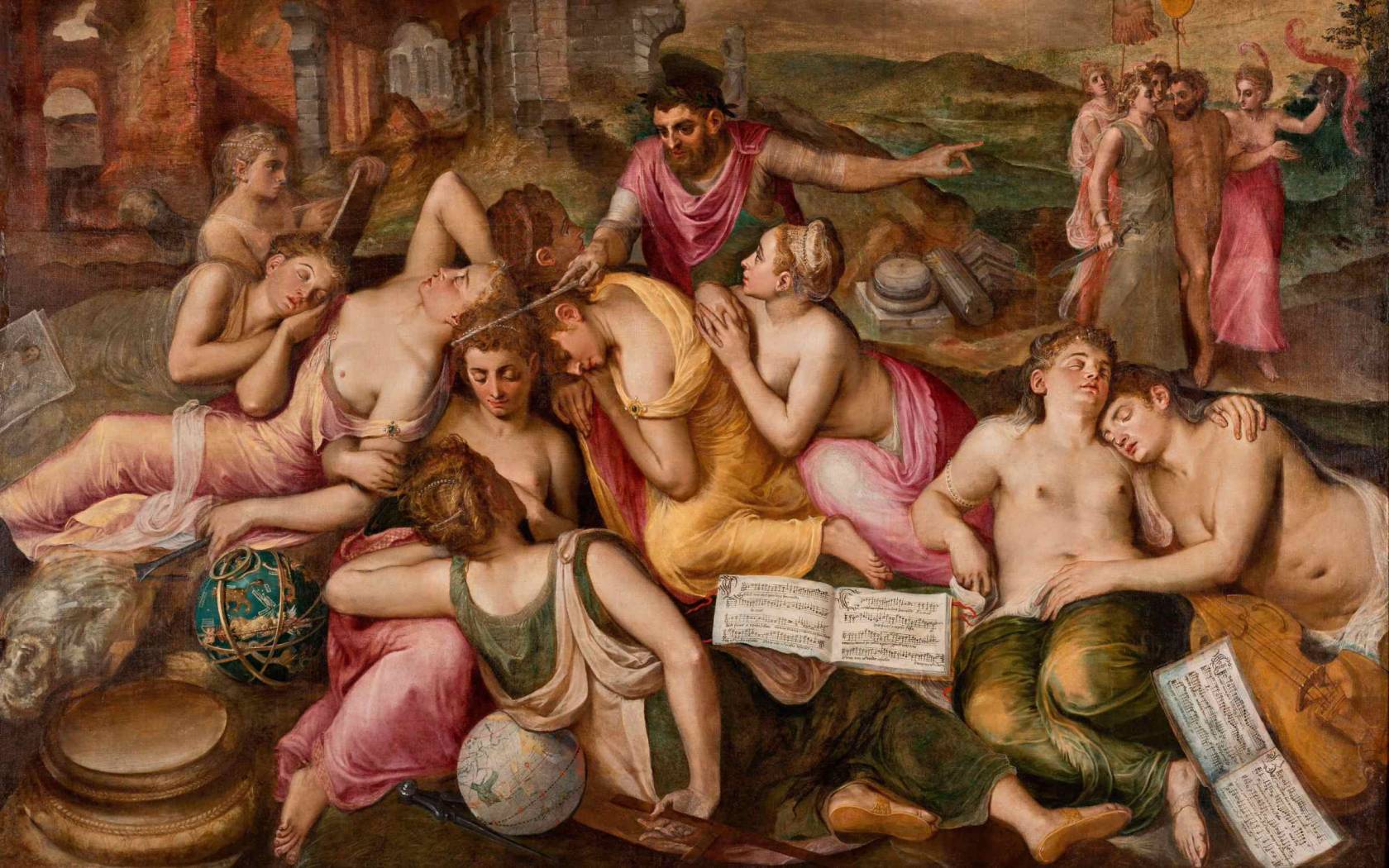 Already, we are seeing the use of AI, with all its negative ramifications for writers, painters, photographers, and musicians, being endorsed because it means that ‘everyone can be an artist’, or, as ACE would have it, a ‘creative practitioner’. This is likely to converge in future with another recent intellectual position, which contends that meritocracy – hitherto regarded as the only way of championing fairness – is itself unfair.
Source: AI against the arts
Cinq Music parent company rebrands, raises $230m in fresh funding via GoDigital
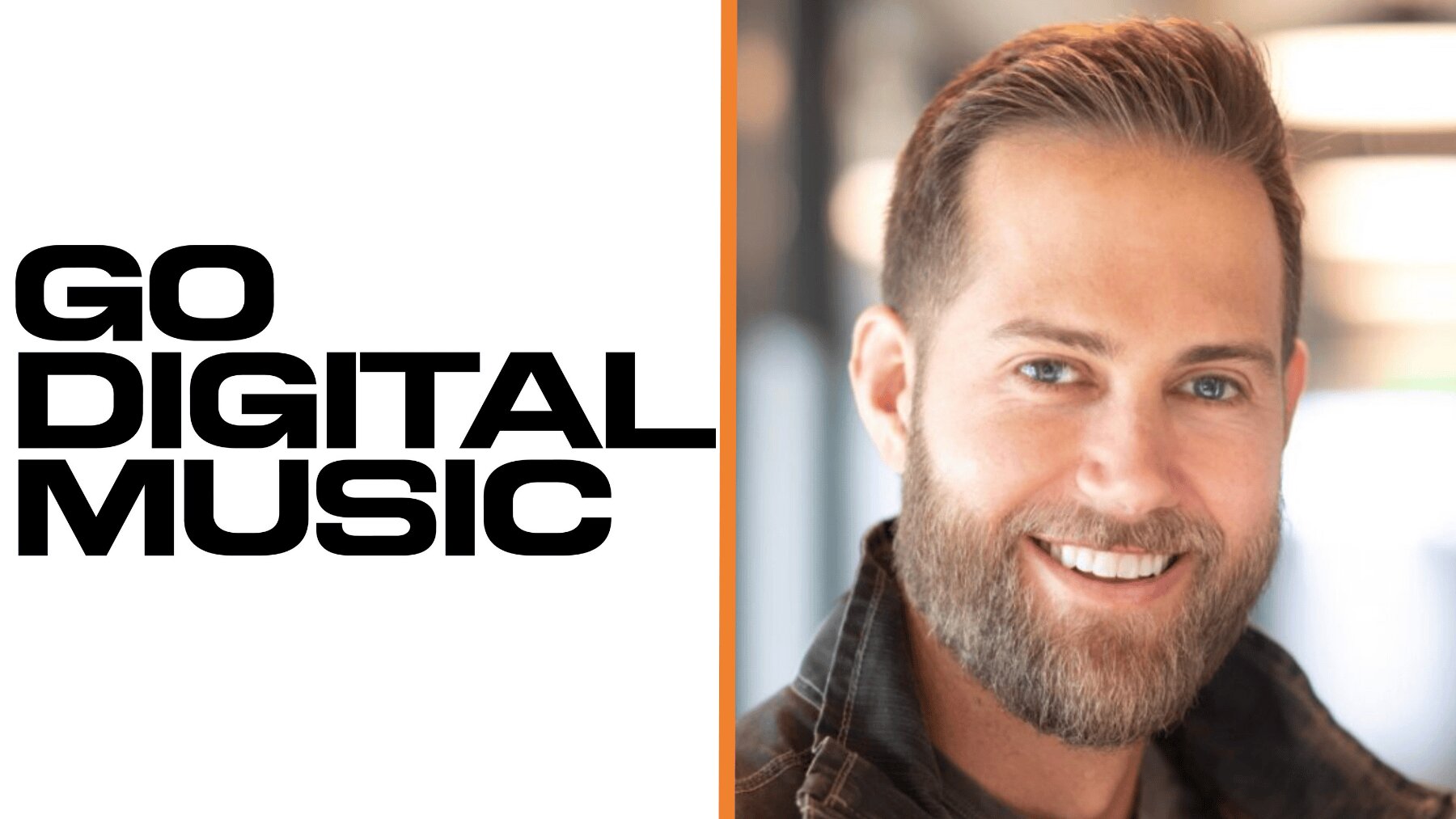 GoDigital has confirmed that the funding was led by Bank of America, with participation from Mitsubishi UFJ Financial Group, East West Bank, First Horizon, Fifth Third, and Flag Star. The company said on Monday (November 3) that the funding brings its total capital raised to date to over USD $1 billion. The funding news arrives alongside a revamp of the GoDigital brand.
Source: Cinq Music parent company rebrands, raises $230m in fresh funding via new GoDigital Music division
Irving Azoff, MAC Demand ‘Creative Control, Fair Compensation’
 The Music Artists Coalition responds to Universal Music Group’s partnership with AI platform Udio, demanding clarity and compensation. “Every technological advance offers opportunity, but we have to make sure it doesn’t come at the expense of the people who actually create the music—artists and songwriters,” said Irving Azoff, board member and founder of MAC. “We’ve seen this before—everyone talks about ‘partnership,’ but artists end up on the sidelines with scraps.”
Source: Irving Azoff, MAC Demand ‘Creative Control, Fair Compensation’
How AI browsers sneak past blockers and paywalls.
 AI browsers present new problems for media outlets, because agentic systems are making it even more difficult for publishers to know and control how their articles are being used. For instance, when we asked Atlas and Comet to retrieve the full text of a nine-thousand-word subscriber-exclusive article in the MIT Technology Review, the browsers were able to do it.
Perplexity strikes multi-year licensing deal with Getty Images
 AI search startup Perplexity has signed a multi-year licensing deal with Getty Images, which gives it permission to display images from Getty across its AI-powered search and discovery tools. The deal marks a notable shift for the company, which has been hit by allegations of content scraping and plagiarism, and signals an effort to establish more formal content partnerships.
Source: Perplexity strikes multi-year licensing deal with Getty Images | TechCrunch
Big Tech Is Spending More Than Ever on AI and It’s Still Not Enough
 Silicon Valley’s biggest companies are already planning to pour $400 billion into artificial intelligence efforts this year. They all say it’s nowhere near enough. “We’ve been short [on computing power] now for many quarters. I thought we were going to catch up. We are not. Demand is increasing,” said Amy Hood, Microsoft’s chief financial officer. “When you see these kinds of demand signals and we know we’re behind, we do need to spend.”
Source: Big Tech Is Spending More Than Ever on AI and It’s Still Not Enough