
 MusicAnswers has spent two years conducting a survey of college student music creators to better understand their experience with song registration agencies—specifically the Mechanical Licensing Collective (MLC). The results are pretty grim, with a majority of college students being unaware of the MLC’s purpose or what they do in the industry.
Source: Only 17% of Music Creator College Students Familiar With MLC
 A number of commenters asserted that AI is exploitative, in a word, trained on the works of creatives who aren’t compensated for their involuntary contributions, and petitioned the Trump administration to strengthen copyright regulation. On the opposing side, commenters such as VC firm Andreessen Horowitz accused rightsholders of putting up roadblocks to AI development.
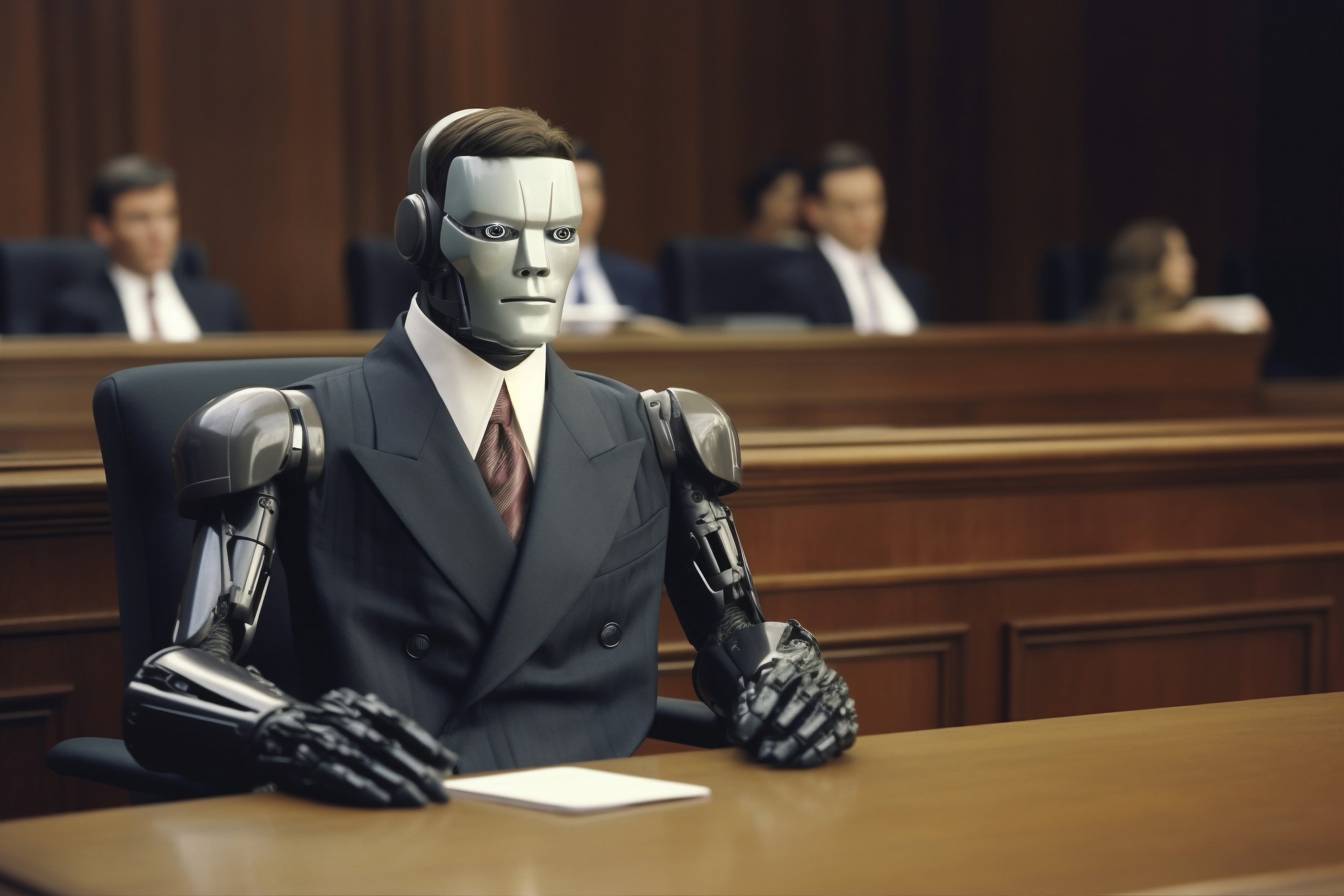
 Ziff Davis, the parent company of several digital media brands, filed a lawsuit in Delaware federal court against OpenAI for copyright infringement. In the complaint, the nearly 100-year-old publisher claims the artificial intelligence company has copied its written works verbatim to train the model behind popular chatbot ChatGPT.


 UK licensing bodies have announced a “pioneering” collective license that will allow authors to be paid for the use of their works to train generative AI models. The Copyright Licensing Agency (CLA) – which is directed by the Publishers’ Licensing Services (PLS) and the Authors’ Licensing and Collecting Society (ALCS), representing publishers and authors – will develop the license, set to be the first of its kind in the UK.