Digital technology has given rise to a host of novel questions concerning the authorship, ownership, and exploitation of creative works, from the right to re-sell digital copies to the copyright status of works produced by artificial-intelligence agents. But a new legislative skirmish in New York State could take the debate beyond the realm of copyright into the realm of privacy and the right of publicity.

Cage, Nick Cage
Assembly bill A.8155B would create a new right of publicity for individuals concerning the use of their likeness in a “digital replica.” In what is believed to be the first such legislative effort by a state, the bill is meant to prohibit the use of “face-swapping” artificial intelligence technology to overlay an individual’s face onto another actor’s body without the individual’s consent, particularly for pornographic purposes.
According to the bill, “Use of a digital replica of an individual shall constitute a violation if done without the consent of the individual if the use is in an audiovisual pornographic work in a manner that is intended to create and that does create the impression that the individual represented by the digital replica is performing.”
The bill is strongly backed by the Screen Actors Guild-American Federation of TV and Radio Actors (SAG-AFTRA), which claims it is necessary to combat the growing scourge of “deep fake” videos, in which well-known individual are made to appear to be performing pornographic scenes.
“Individuals turn to image rights to sue corporations that use social media accounts or publicly available images to promote products or services without consent or compensation. These rights will also provide individuals, often women, relief if they are inserted into commercialized Deepfake sex scenes.,” SAG-AFTRA said in a statement supporting the measure.
With time in the legislative session running out, however, the major studios and the Motion Picture Association of America (MPAA) have mounted an all-hands effort to block the bill, according to the Hollywood Reporter, claiming the bill’s imprecise language could limit the production of biographical films of real-life individuals and chill technology innovation.
“If adopted, this legislation would interfere with the right and ability of companies like ours to tell stories about real people and events,” the Walt Disney Co. wrote in a letter the bill’s author. “Unfortunately, the proposed bill would transform New York from a jurisdiction that is friendly to and protective of such expressive endeavors to one in which they become encumbered by uncertainty and risk.”
In a separate memorandum, NBCUniversal warned, “The bill creates an unprecedented new category of protection for “digital replicas” of
living or deceased individuals. These provisions have potentially far-reaching implications, yet there is scant time left in the session for New York’s legislators to explore and consider them.”
The bill is still pending and it’s fate is uncertain at this point. Either way, though, it’s unlikely to be the last word in the debate over the uses (and misuses) of face-swapping technology and other forms of artificial intelligence in the creation of media content.
We’ll tackle some of those questions at the upcoming RightsTech Summit , at a panel titled What to Make of Machine-Made Art? Click here for more information on the summit, and for information on how to register.
 “A token, a digital asset, where I give you my money and you go off and make a venture, — you have some company you want to start or something –and in return for me giving you my money you say, I’m going to give you a return, or you can get a return in the secondary market by selling your token to someone, that is a security. And we regulate that,” he said in an interview on CNBC. “We regulate the offering of that security and we regulate the trading of that security.”
 The move comes as part of a broader strategy mapped out by Sony CEO Kenichiro Yoshida to shift the venerable hardware maker’s focus away from low-margin consumer electronics toward building a stable of diverse and stable revenue streams.
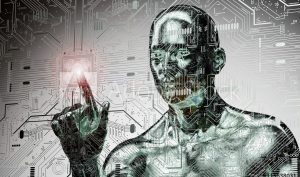 While the issue may appear abstract and theoretical, those questions are getting less theoretical by the day, as researchers develop ever more machine-based systems capable of producing Turing-sufficient works of expression. Like monkeys, machines would likely lack standing to bring a claim under copyright law. But that doesn’t mean they can’t produce works that humans perceive as expressive.
 View From the Top: The Future of Machine-to-Machine Rights Management
 How Smart Are Smart Contracts?
 Show Me the Money: Bringing Transparency to Residuals and Royalty Payments
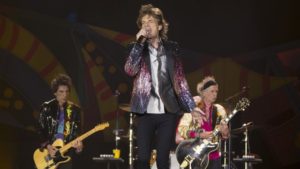 The bill incorporates components of four other bills that were originally introduced separately. They include the
  “It’s also the only significant piece of legislation affecting music licensing in a generation,” quipped National Music Publishers Association CEO David Israelite during a panel discussion on Capitol Hill this week on music licensing issues.
 Although Liebowitz gives it a scholarly gloss, much of his analysis will be familiar to anyone who has followed the debate over the so-called value gap, between what music rights owners earn from their music appearing on YouTube and other user-upload platforms, and what they earn from fully licensed platforms like Spotify and Apple Music: YouTube is given unfair negotiating leverage over rights holders because the protection from liability offered to service providers by the safe harbors mean it is effectively impossible for rights owners to withhold their content from the platform if they don’t like the terms, resulting in below market rates.
 The actually renderings of the kitties — the goofy, cartoonishly colored cat images that have seduced users into the world of crypto and virtual assets — were never added to the chain.