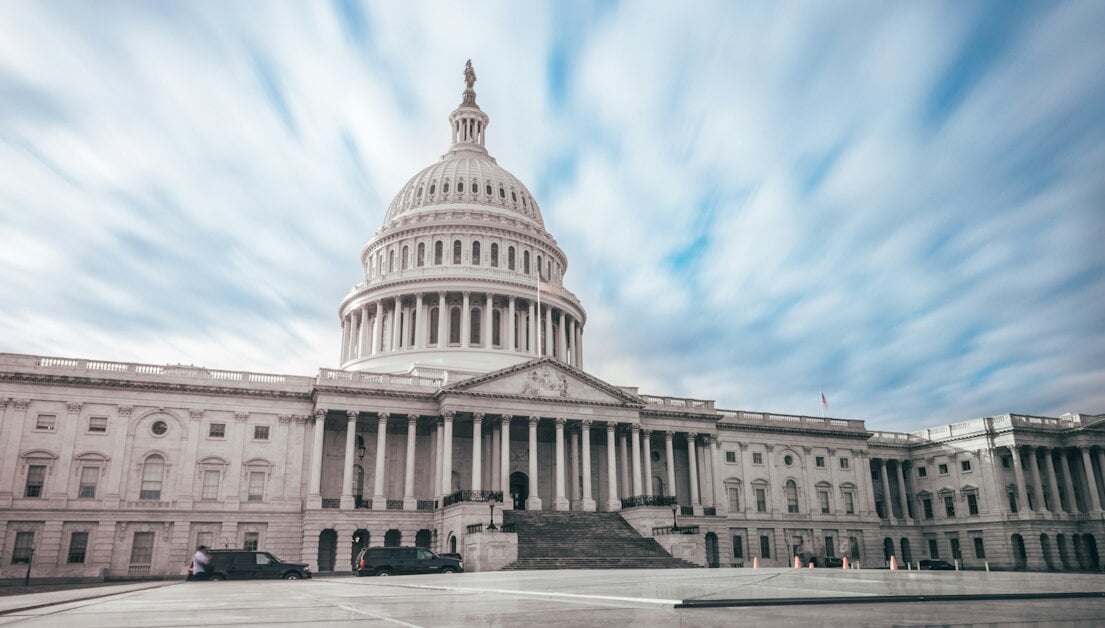
 The US Senate dealt a blow to the technology sector voting 99-1 to strip a provision from President Trump’s economic package that would have prevented states from regulating artificial intelligence for a decade. The rejection signals a victory to creative industry groups that have campaigned against what they see as an attempt to shield AI companies from accountability when using creators’ art and music to create AI models.
Source: US Senate rejects 10-year ban on state AI regulation in win for creative sector
 Those using the platform can now indicate their interest in AI training licensing deals by marking songs as “Open to AI licensing.” The company explains that this selection registers rightsholders in a dedicated database, “creating a simple process for AI companies to seek authorization and legally license compositions and recordings from artists, labels, and publishers”.




 The battle between technology heavyweights and many of the country’s most famous creative companies and artists is playing out in Washington and in court. At stake are billions of dollars and precedents that could shape the future of AI and U.S. copyright law. While the fight is far from over, some in creative industries fear it might be too late to stop the advance of AI as it roils their professions.

 The Danish government said on Thursday it would strengthen protection against digital imitations of people’s identities with what it believes to be the first law of its kind in Europe. It defines a deepfake as a very realistic digital representation of a person, including their appearance and voice. The Danish culture minister, Jakob Engel-Schmidt, said he hoped the bill before parliament would send an “unequivocal message” that everybody had the right to the way they looked and sounded.