
 The world’s largest music rights company confirmed in a press release on Monday evening (July 21) that it has “confidentially” submitted a Form F-1 to the US Securities and Exchange Commission, “relating to a proposed public offering in the United States of the company’s ordinary shares held by certain shareholders”. Monday’s press release did not disclose the timing, pricing, or venue of UMG’s proposed US listing.
Source: Universal Music Group takes step closer to US listing, filing draft registration with SEC


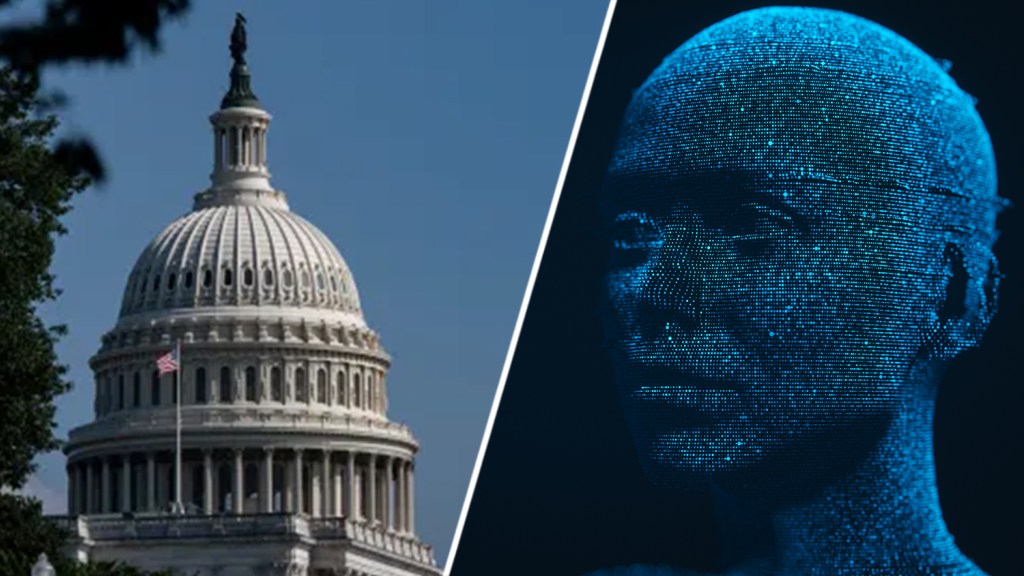
 White House officials are preparing an executive order targeting tech companies with what they see as “woke” artificial-intelligence models, their latest effort to go after diversity, equity and inclusion initiatives, people familiar with the matter said. The order would dictate that AI companies getting federal contracts be politically neutral and unbiased in their AI models, an effort to combat what administration officials see as liberal bias in some models, the people said.
 Within two weeks, Mallal, who directed Spiders in the Sky on his own, was able to make a film about the Ukraine attack that would have cost millions – and would have taken at least two years including development – to make pre-AI. “Using AI, it should be possible to make things that we’ve never seen before,” he said. “We’ve never seen a cinematic news piece before turned around in two weeks. We’ve never seen a thriller based on the news made in two weeks.”
 The issue is causing tension in the book community. Librarians complain that publishers charge so much to license e-books that it’s busting library budgets and frustrating efforts to provide equitable access to reading materials. Big publishers and many authors say that e-book library access undermines their already struggling business models. Smaller presses are split.