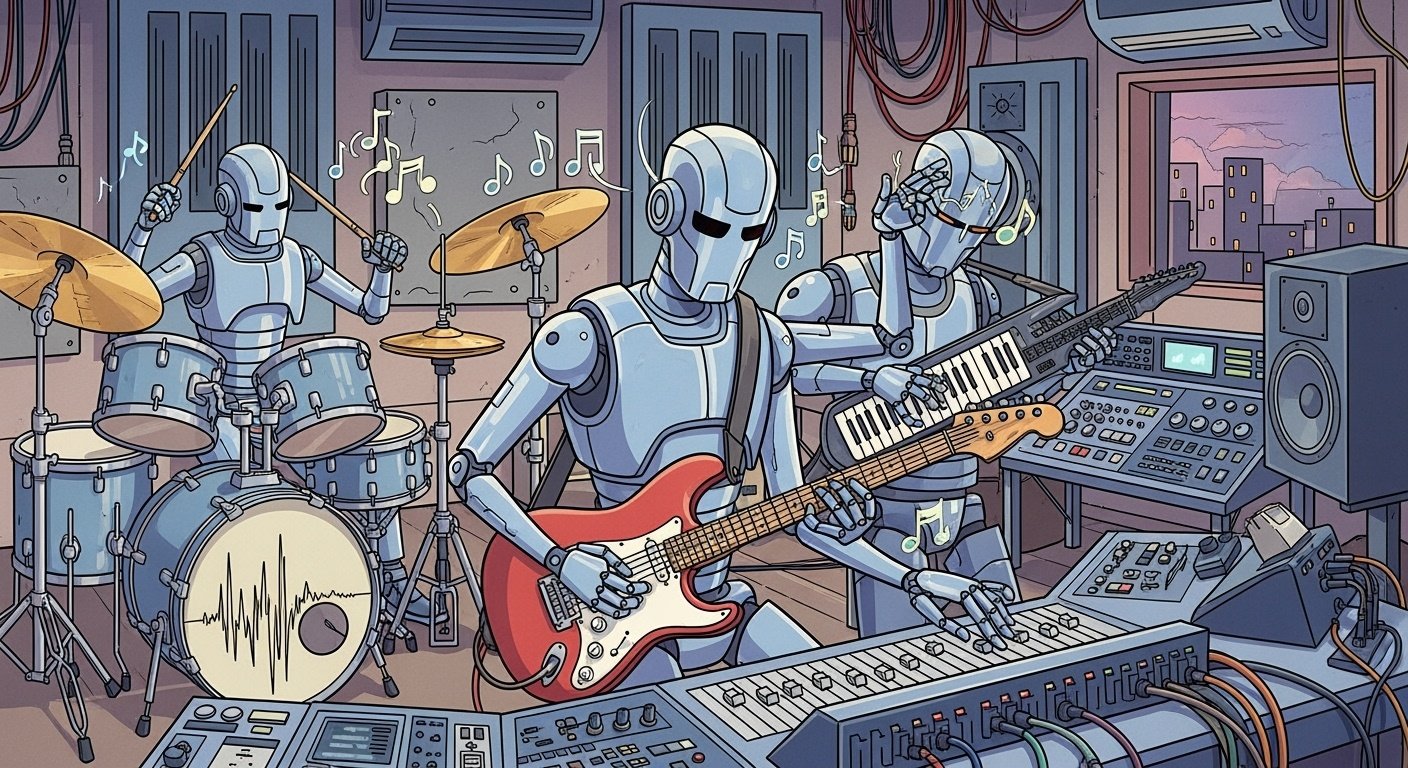
 AI companies have sucked up the world’s entire music catalogue and are guilty of “wilful, commercial-scale copyright infringement”, a major music industry group told AFP. The ICMP is one of a number of industry bodies spanning the news media and publishing to target the booming artificial intelligence sector over its use of content without paying royalties.
Source: Top music body says AI firms guilty of ‘wilful’ copyright theft

 The extension could be Mr. Trump’s last for the video app. He and other officials said this week that they had reached a framework for a deal with China to address national security concerns about ByteDance and its ties to Beijing. “We have a deal on TikTok,” Mr. Trump told reporters on Tuesday. “We have a group of very big companies that want to buy it.”
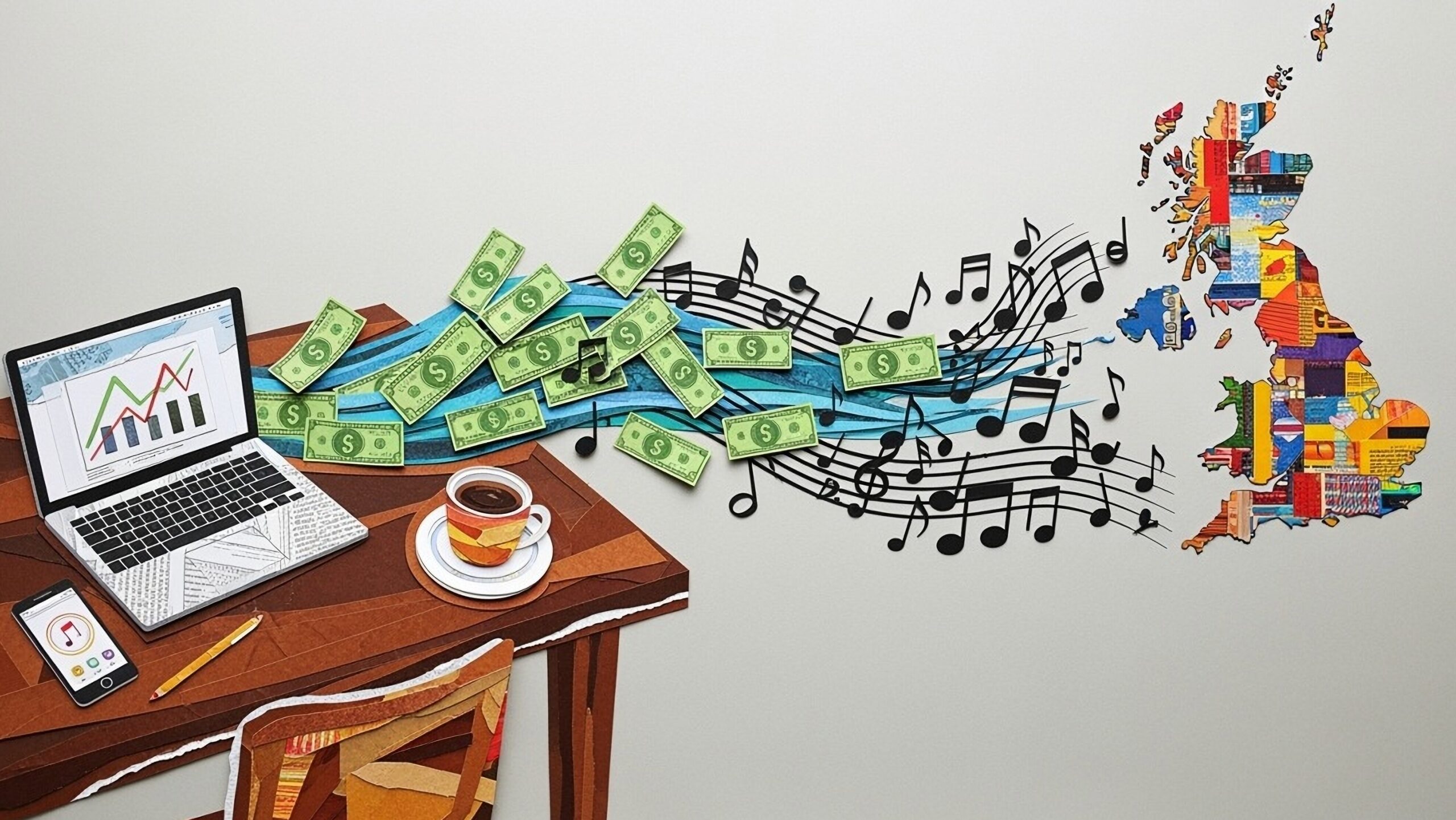
 Tracy Maddux, former Chief Commercial Officer at Downtown Music Holdings, has led a “multi-million dollar” strategic investment in rights management platform OpenPlay, giving him a board seat. As board member, Maddux brings experience in music technology to OpenPlay, which serves more than 3,500 labels, distributors and publishers across 24 countries.
 Neil Vogel, CEO of People, Inc. (formerly Dotdash Meredith), a publisher that operates over 40 brands, including People, Food & Wine, Travel + Leisure, Better Homes & Gardens, Real Simple, Southern Living, Allrecipes, and others, said that Google is not playing fair because it uses the same bot to crawl websites to index them for the Google search engine as it does to support its AI features.