 UK licensing bodies have announced a “pioneering” collective license that will allow authors to be paid for the use of their works to train generative AI models. The Copyright Licensing Agency (CLA) – which is directed by the Publishers’ Licensing Services (PLS) and the Authors’ Licensing and Collecting Society (ALCS), representing publishers and authors – will develop the license, set to be the first of its kind in the UK.
Source: Collective licence to ensure UK authors get paid for works used to train AI

 Apple was fined 500 million euros ($570 million) and Meta was fined €200 million ($230 million) for breaking the Digital Markets Act, which was adopted in 2022. The European law aims to keep big tech companies from abusing their position as digital gatekeepers that can unilaterally impose requirements on users and businesses.
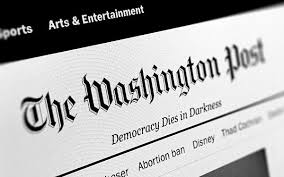 The Washington Post, owned by Amazon founder Jeff Bezos, has gone into business with artificial-intelligence powerhouse OpenAI. Under the agreement, ChatGPT will display summaries, quotes and links to original reporting from the Washington Post in response to relevant search queries. ChatGPT will featur the Post’s content across politics, global affairs, business, technology and more, “always with clear attribution and direct links to full articles,” the newspaper said.

 According to one music industry exec’s estimate, the controversial Spotify stream minimum cost emerging artists $47 million during 2024. As many know, that approach sees Spotify pay recording royalties only for tracks with at least 1,000 annual streams. Implemented (along with other changes) at the behest of the majors, the revamped model is effectively preventing the vast majority of uploaded recordings from generating payments.