Everything ever said on the internet was just the start of teaching artificial intelligence about humanity. Tech companies are now tapping into an older repository of knowledge: the library stacks. Nearly one million books published as early as the 15th century — and in 254 languages — are part of a Harvard University collection being released to AI researchers Thursday. Also coming soon are troves of old newspapers and government documents held by Boston’s public library.
Source: AI chatbots need more books to learn from. These libraries are opening their stacks

 The ranks of media owners and entertainment companies are poised for their biggest makeover in a generation. Media titans such as Comcast and Warner Bros. Discovery are cleaving off their cable-television channels, while television-station operators such as Allen Media and Apollo Global Management are exploring selling dozens of stations. Cox and Charter, two of the biggest cable and broadband companies, have agreed to merge.
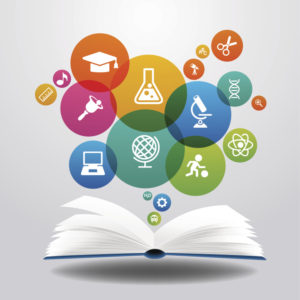 Academic publishers are rushing to sign licensing deals with artificial intelligence companies, carving out a new revenue stream as US research funding cuts dim their outlook. Taylor & Francis signed a $10 million deal with Microsoft Corp. last year. Bloomsbury Publishing Plc is looking to “monetize academic content through AI deals,” it said in its latest set of results, and John Wiley & Sons Inc. announced partnerships with Amazon Web Services and Perplexity earlier this year.



 The Book Industry Study Group has announced the launch of Find a Rightsholder, a searchable database with information on how to reach rights and permissions contacts for more than 3,500 imprints. Unlike title management tools that seek to facilitate dealmaking and take a cut of any transaction, Find a Rightsholder is focused solely on helping the publishing community locate relevant contacts for U.S. and U.K. publishers.