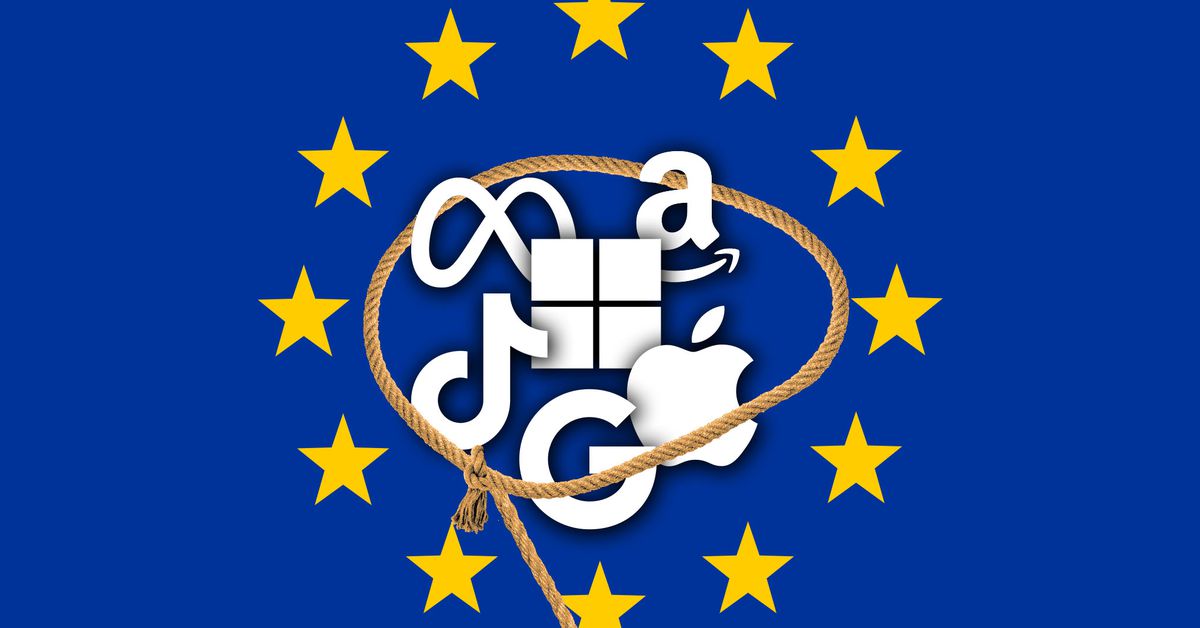
 The EU has designated six companies as gatekeepers, which it defines as large digital platforms providing “core” services like app stores, search engines, and web browsers. The DMA’s restrictions apply to specific services within these companies: Alphabet, Amazon, Apple, ByteDance, Meta, and Microsoft. Here’s what each has been doing to meet — and fight — those demands.
Source: The EU’s new competition rules are going live — here’s how tech giants are responding

 The ability of Canadian locations to stand in for American ones is a critical element in our own movie and TV industry. It brings billions of production dollars north of the 49th parallel. But if it suddenly becomes cheaper to stay in L.A. and use AI to create your location, rather than physically move to a “stand-in” location, our film and TV industry will dry up almost instantly.
 Disney CEO Bob Iger acknowledged the company is behind Netflix in terms of technical capabilities — and that it’s in the process of catching up. “When we launched Disney+ in 2019, our goal was to have basically robust video experiences at scale,” Iger said. “What we didn’t have was the technology that we needed to basically lower customer acquisition and retention cost, to essentially grow our margins by reducing marketing expenses.”
 TikTok’s relationship with the music industry was never sustainable. As many digital media outlets realised in the mid-2010s, when they “pivoted to video” in an attempt to placate Facebook’s algorithm, only for the bottom to fall out of that platform, it’s never wise to place the fate of an entire industry in the hands of a private company whose motivations and modes of operation are opaque at best. Big stars who have built-in fanbases won’t be profoundly affected by their music being off TikTok, but new stars will.