 Google’s SynthID text watermarking technology, a tool the company created to make AI-generated text easier to identify, is now available open-source through the Google Responsible Generative AI Toolkit, the company announced on X. Watermarks have become increasingly important tools as large language models are used to spread political misinformation, generate nonconsensual sexual content, and for other malicious purposes.
Source: Google open-sourced its watermarking tool for AI-generated text
 Actor Joseph Gordon-Levitt emerged Tuesday as one of Hollywood’s most vocal critics of artificial intelligence, saying the new technology represents a threat to the work he and other performers do. “The sleight of hand of calling something ‘artificial intelligence’ makes you ignore the fact that these were created by humans,” he said in an interview at The Wall Street Journal’s Tech Live. The companies have to answer for the years of work they are using to train models now valued in the billions of dollars, he said.
 More than 10,500 creative professionals, including Thom Yorke from Radiohead, actress Julianne Moore and Nobel Prize-winning novelist Kazuo Ishiguro, have signed an open letter condemning “unlicensed use of creative works” to develop artificial intelligence systems such as OpenAI’s ChatGPT. Use of creative work without a license for AI development is “a major, unjust threat to the livelihoods of the people behind those works, and must not be permitted,” the brief, 29-word letter says.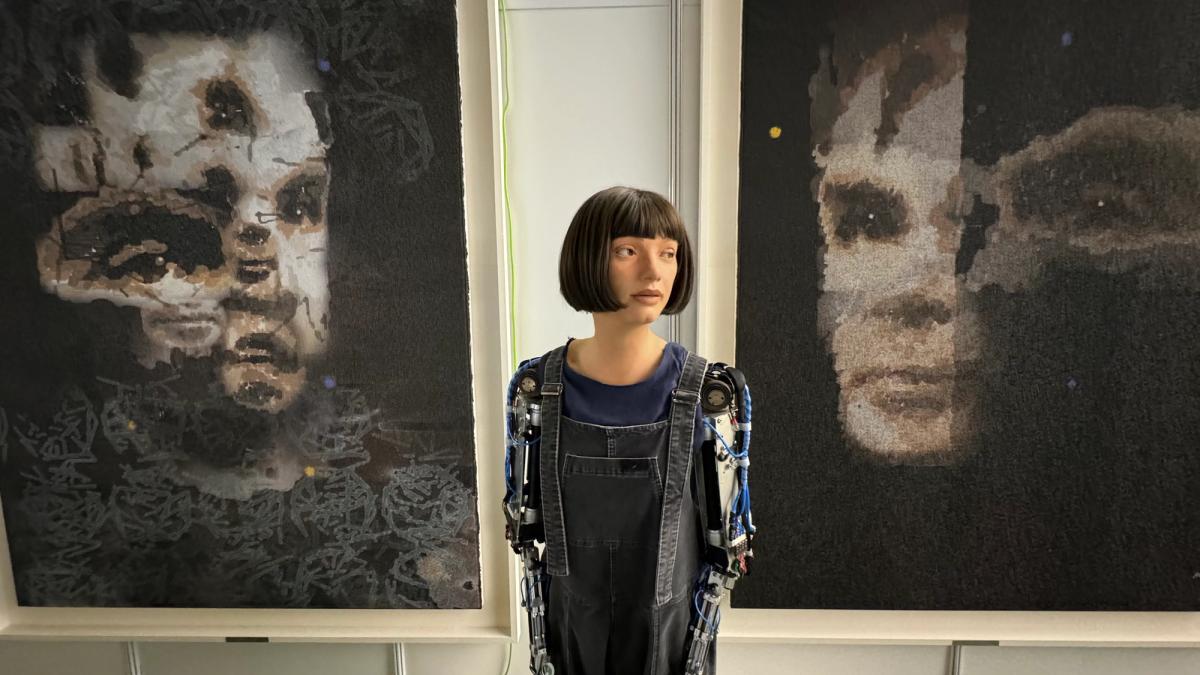

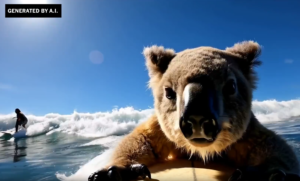 The tech giant announced Thursday that it has been working with horror studio Blumhouse and select creators as part of a pilot program for Movie Gen, its generative-AI video models. The company said it will continue to expand the program in 2025. Meta earlier this month unveiled Meta Movie Gen, a suite of AI models that can use text inputs to produce realistic-looking videos as well as edit existing videos.