
Headlines

Jeff Bezos’ Washington Post Inks OpenAI Licensing Deal for ChatGPT Search

The Washington Post, owned by Amazon founder Jeff Bezos, has gone into business with artificial-intelligence powerhouse OpenAI. Under the agreement, ChatGPT will display summaries, quotes and links to original reporting from the Washington Post in response to relevant search queries. ChatGPT will featur the Post’s content across politics, global affairs, business, technology and more, “always with clear attribution and direct links to full articles,” the newspaper said.

Source: Jeff Bezos’ Washington Post Inks OpenAI Licensing Deal for ChatGPT Search
As Industry Demands AI Licensing Frameworks, Emerging Tech Can Help

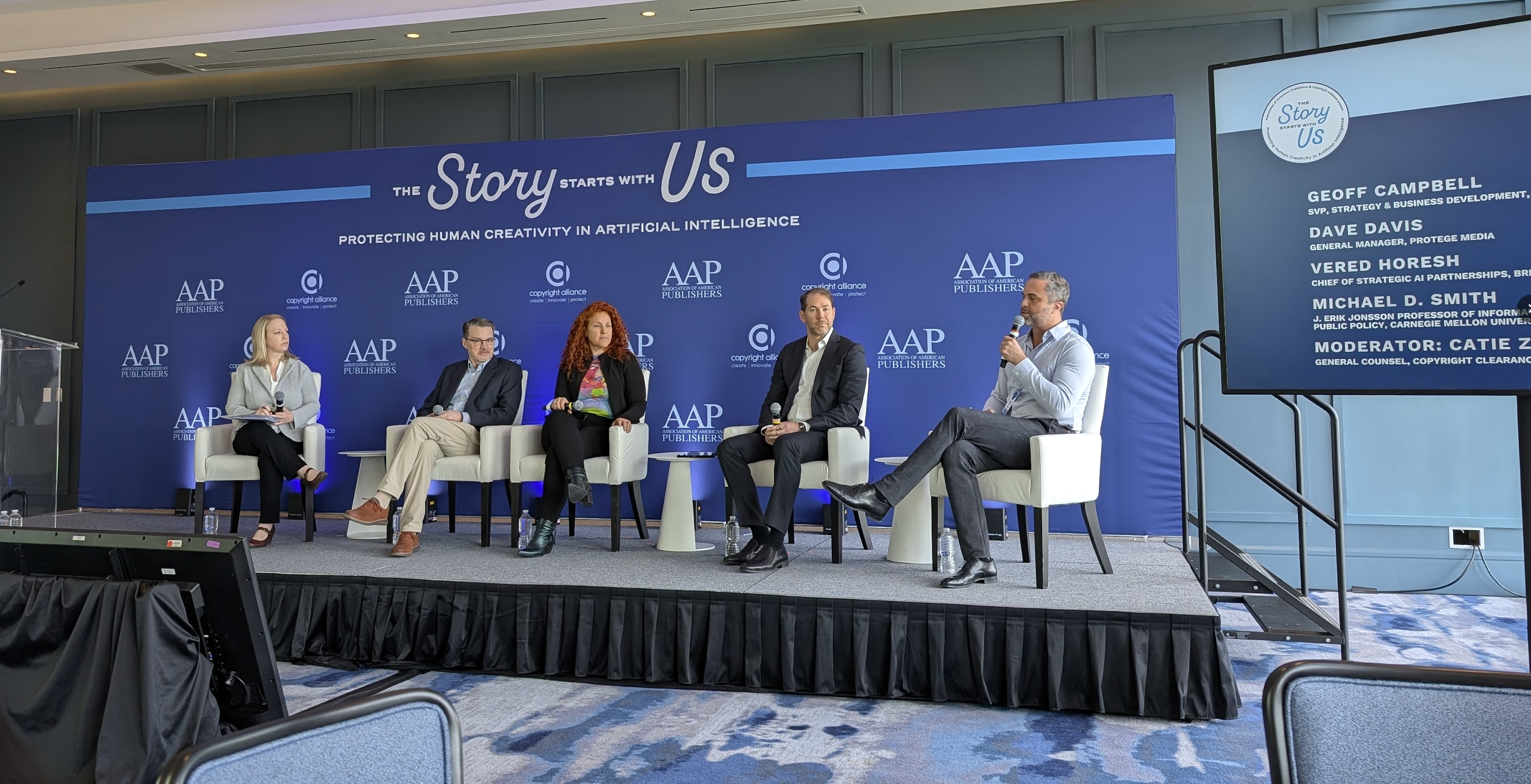
With generative AI forging ahead unfettered, leaders in publishing and other creative industries are asking for licensing frameworks that protect creators while enabling technological innovation. New platforms and software are bringing solutions closer. Vered Horesh, chief of strategic AI partnerships at the visual generative AI company Bria.ai described how Bria developed attribution technology that “measures the impact of any authentic asset being provided into the training catalog on any synthetic output being generated.”

Source: As Industry Demands AI Licensing Frameworks, Emerging Tech Can Help

Spotify Stream Minimum Debate Continues As Exec Claps Back

Disc Makers CEO Tony van Veen calculated the ballpark royalties impact of Spotify’s 1,000-stream minimum during 2024. Last year, the exec estimated, emerging talent missed out on about $47 million in would-be recording royalties. On cue, Spotify fired back – including by arguing in more words that the affected tracks receive a small amount of fan interest and (owing mainly to withdrawal minimums) wouldn’t see their recording royalties reach artists in any event.

Source: Spotify Stream Minimum Debate Continues As Exec Claps Back

Spotify Stream Minimum Cost Indies $47M in 2024, Exec Estimates

According to one music industry exec’s estimate, the controversial Spotify stream minimum cost emerging artists $47 million during 2024. As many know, that approach sees Spotify pay recording royalties only for tracks with at least 1,000 annual streams. Implemented (along with other changes) at the behest of the majors, the revamped model is effectively preventing the vast majority of uploaded recordings from generating payments.

Source: Spotify Stream Minimum Cost Indies $47M in 2024, Exec Estimates

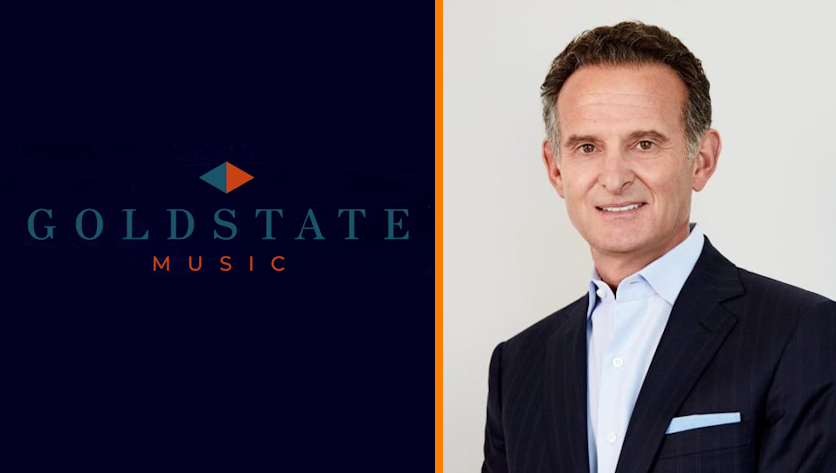
Charles Goldstuck’s GoldState raises $500m to buy music rights, 

According to the announcement on Thursday (April 17), the strategic capital raise includes “a structured capital facility” co-led by Northleaf Capital Partners and Ares Management funds, as well as “separately raised leverage”. Additional terms of the private transaction were not disclosed. Goldstate’s new backerAres Management Corporation is a giant of the alternative investment space.

Source: Charles Goldstuck’s GoldState raises $500m to buy music rights, with investment from Northleaf Capital and Ares Management

Deezer Says 20,000 AI-Generated Songs Are Uploaded Daily

Global streaming platform Deezer has reported that over 20,000 entirely AI-generated tracks — or around 18% of all tracks — are uploaded to its platform daily. That’s an increase from the previously reported 10% in January, when Deezer launched its cutting-edge AI music detection tool. The company’s AI music detection tool sets an industry standard — but the onslaught of AI-generated music is unrelenting.

Source: Deezer Says 20,000 AI-Generated Songs Are Uploaded Daily

‘Unsustainable status quo’: Publishers respond to Govt copyright consultation

The UK Government’s proposal to allow AI companies to automatically train their models on online content unless the rightsholder specifically opts out has been described as “unworkable”. A range of responses to the Government consultation on its proposed change to the existing copyright regime have been published, with many slamming the potential effect on the media industry.

Source: ‘Unsustainable status quo’: AI companies and publishers respond to Govt copyright consultation

DVD & Blu-ray Sales Have Dropped 90% Since 2014 As Streaming Grows

As streaming dominates home entertainment, with 59.6 million U.S. households cutting the cord per Evoca.tv, the physical media market for DVDs and Blu-rays has seen a dramatic fall over the past decade. New data reveals that combined DVD and Blu-ray sales in the U.S. dropped from $10.1 billion in 2014 to an estimated $900 million in 2024, a decline of over 91%.

Source: DVD & Blu-ray Sales Have Dropped 90% Since 2014 As Streaming Grows | Cord Cutters News

Global Media Consumption Will Decline This Year For First Time Since 2009 – Study

Global media consumption will fall 0.3% this year compared with 2024, which would be the first decline since 2009, research firm PQ Media predicts. “Also contributing to the media consumption decline in 2025 is expected deceleration in discretionary spending on media devices and content, as consumers worldwide tighten their overall budgets due to an expected rise in inflation and possible recession due to the tariff wars,” PQ Media CEO Patrick Quinn said.

Source: Global Media Consumption Will Decline This Year For First Time Since 2009 – Study

Get the latest RightsTech news and analysis delivered directly in your inbox every week
We respect your privacy.