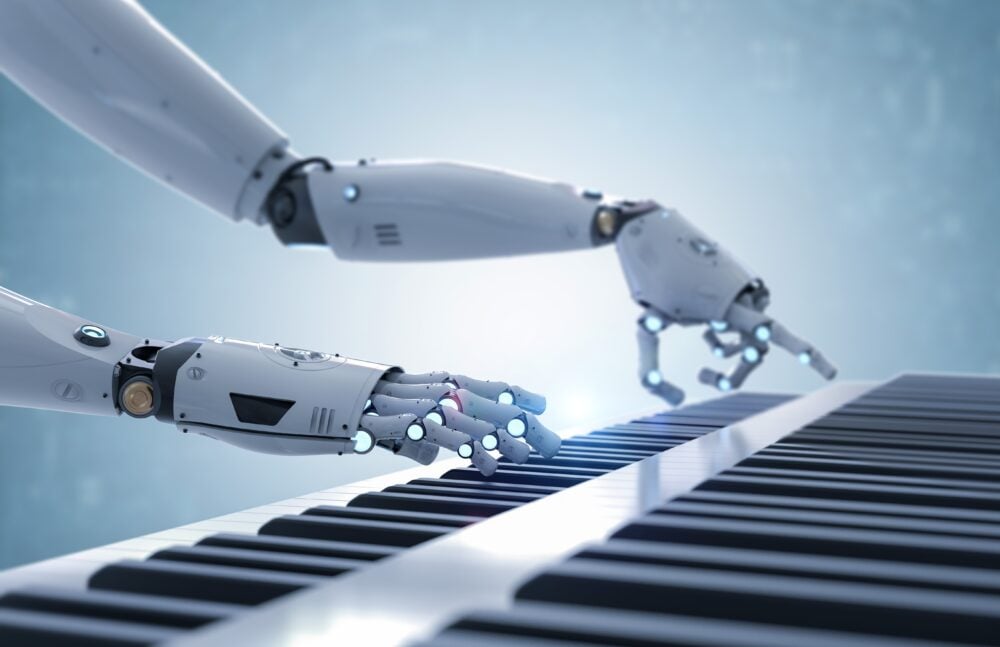
 In response to the ongoing discourse surrounding the rise of artificial intelligence-generated songs mimicking artists’ voices, the Independent Music Publishers International Forum (IMPF) has issued a new set of guidelines for AI developers. According to a statement, these so-called “ethical principles” around AI, endorsed by 200 independent music publishing companies worldwide, are aimed at ensuring “a more transparent collaboration” between indie publishers and AI tech firms.
Source: Global independent music publishers propose set of ‘ethical’ guidelines for AI developers
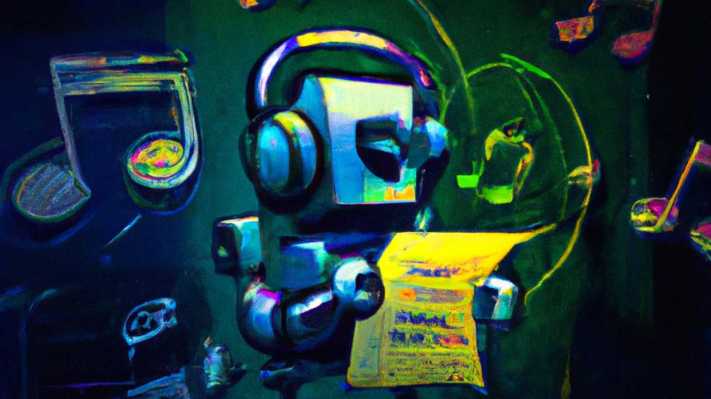
 In a joint statement addressed to French prime minister Elisabeth Borne, more than 70 French creative organizations signed an email titled “Let’s build world-class AI that respects literary and artistic property!” urging a more ethical approach to the rapidly advancing technology. The move is a response to the Prime Minister launching the country’s first-ever “Committee on Generative Artificial Intelligence” in late September focusing on the both the opportunities and threats posed by AI.

 OpenAI is claiming to offer artists a way to prevent, or “opt out” of, their work being included among the millions of photos, paintings, and other images that AI programs like DALL-E 3 train on to eventually generate images of their own. But opting out is an onerous process, and may be too complex to meaningfully implement or enforce.
 As AI continues to develop, power and control over it are consolidating, creating a dangerous state of play. A few companies like Google and Microsoft are already leveraging their existing dominance to control critical AI applications and data sets, further limiting consumer choice and tightening their vice grip on tech innovation in America. This is especially true for Google, which holds over 90% of the market share in search in Europe and the United States.


 Spotify is OK with AI, after all. In a reversal from an earlier decision, the CEO of the world’s biggest music streaming service said Tuesday that it would not ban AI-generated music. This follows an announcement of AI-translated podcasts, giving both commercial and independent producers a way to reach international markets.