 As AI continues to develop, power and control over it are consolidating, creating a dangerous state of play. A few companies like Google and Microsoft are already leveraging their existing dominance to control critical AI applications and data sets, further limiting consumer choice and tightening their vice grip on tech innovation in America. This is especially true for Google, which holds over 90% of the market share in search in Europe and the United States.
Technology
We need to talk about the latest developments with AI and music
 After initially pulling some material, Spotify CEO Daniel Ek says the company will not ban AI-made music. He did, however, say that AI shouldn’t be used to impersonate real artists without their consent. But people are going to post those kinds of creations, anyway. Who will be in charge of policing that? Unclear.
Source: We need to talk about the latest developments with artificial intelligence and music | Globalnews.ca
Meta’s new AI assistant trained on public Facebook and Instagram posts
 Meta Platforms used public Facebook and Instagram posts to train parts of its new Meta AI virtual assistant, but excluded private posts shared only with family and friends in an effort to respect consumers’ privacy, the company’s top policy executive told Reuters in an interview. Meta also did not use private chats on its messaging services as training data for the model and took steps to filter private details from public datasets used for training.
Source: Meta’s new AI assistant trained on public Facebook and Instagram posts
OpenAI’s ChatGPT Now Searches the Web in Real Time—Again
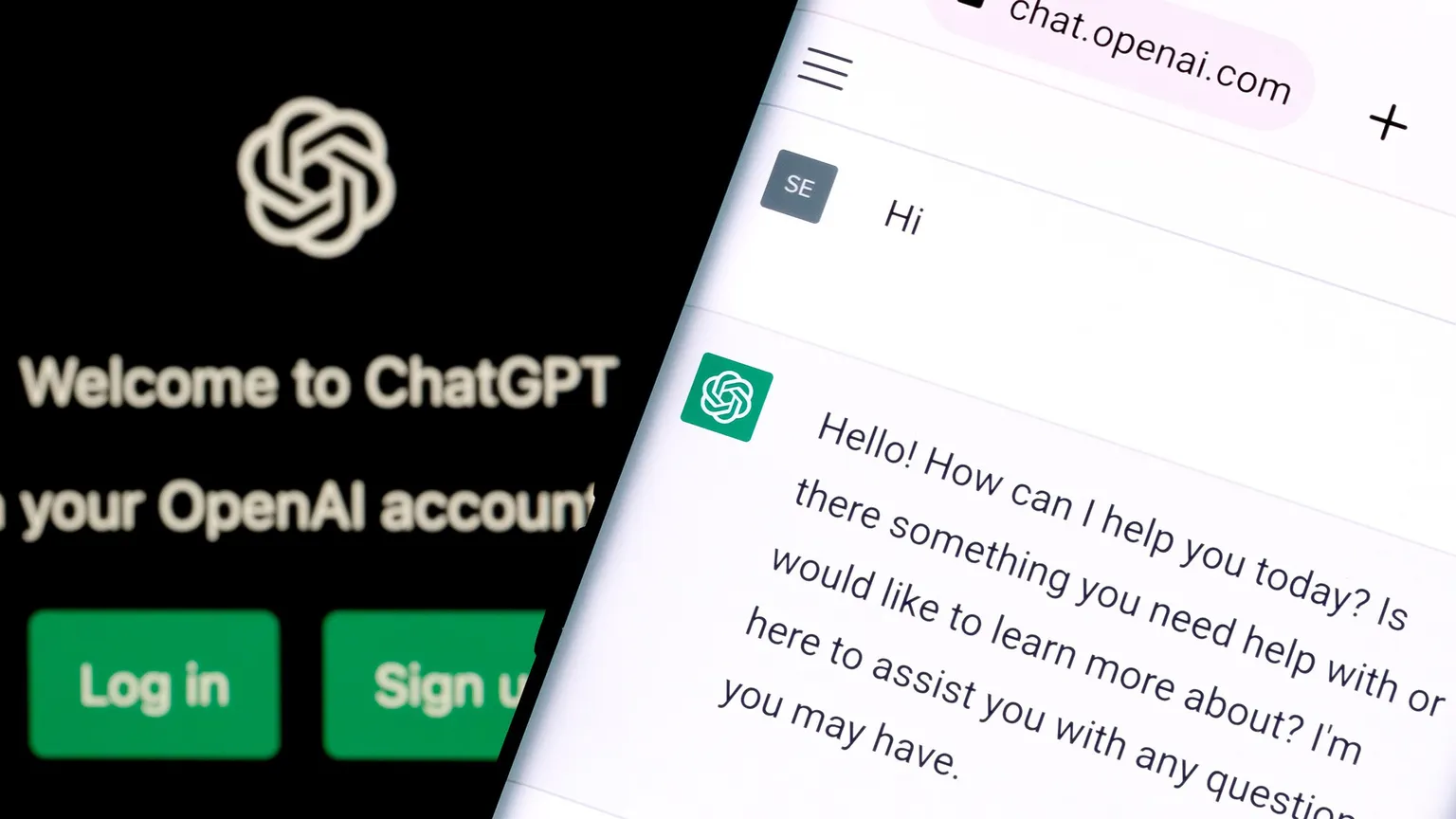 Leading artificial intelligence firm OpenAI announced today that users of its ChatGPT generative AI tool will again be able to generate answers to prompts that search the web for the latest information. It’s a revival of a powerful feature that was removed from the service in July because it was being used to bypass paywalled content. OpenAI noted the relaunch reflects “useful feedback” from its first attempt.
Source: OpenAI’s ChatGPT Now Searches the Web in Real Time—Again – Decrypt
Spotify Embraces AI, Eschews AI Music Ban and Adds AI Podcast Translation
 Spotify is OK with AI, after all. In a reversal from an earlier decision, the CEO of the world’s biggest music streaming service said Tuesday that it would not ban AI-generated music. This follows an announcement of AI-translated podcasts, giving both commercial and independent producers a way to reach international markets.
Source: Spotify Embraces AI, Eschews AI Music Ban and Adds AI Podcast Translation – Decrypt
OpenAI Upgrades ChatGPT: The AI Chatbot Can Now “See, Hear and Speak”
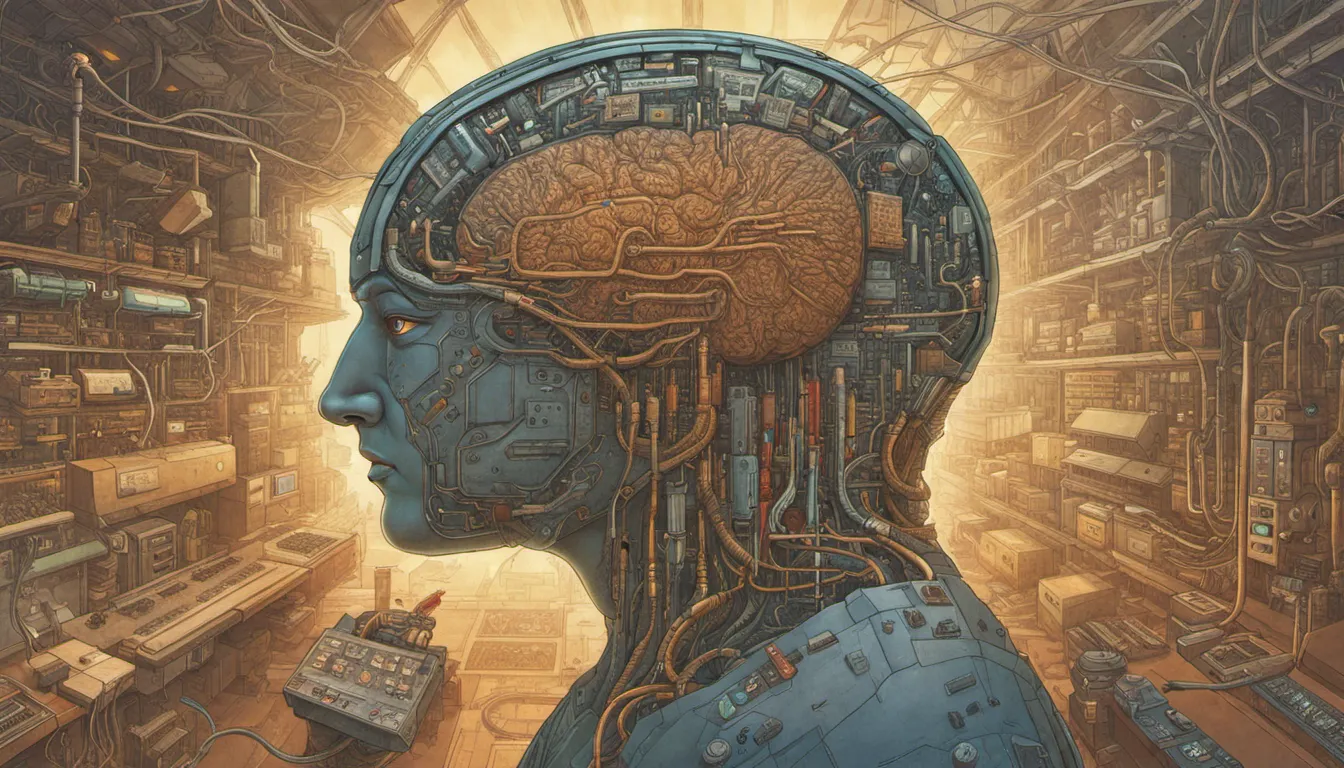 OpenAI has rolled out highly anticipated upgrades that will allow its popular ChatGPT chatbot to interact with images and voices. This launch represents a major step towards OpenAI’s vision for artificial general intelligence that can perceive and process information from multiple modes, not just text. “We are beginning to roll out new voice and image capabilities in ChatGPT,” OpenAI said in its official blog post.
Source: OpenAI Upgrades ChatGPT: The AI Chatbot Can Now “See, Hear and Speak” – Decrypt
Getty Images took a leading AI image-maker to court. Now it’s embracing the technology
 The Seattle-based company is taking a two-pronged approach to the threat and opportunity that AI poses to its business. First, it sued a leading purveyor of AI-generated images earlier this year for what it alleged was “brazen infringement” of Getty’s image collection. But on Monday, it also joined the small but growing market of AI image makers with a new service that enables its customers to create novel images trained on Getty’s own vast library of human-made photos.
Source: Photo giant Getty took a leading AI image-maker to court. Now it’s also embracing the technology
Spotify has developed an AI-powered voice cloning tool that can translate podcasts into multiple languages
 Described by the company in a press release on Monday (September 25), as “groundbreaking”, the new AI tool can translate podcasts into additional languages — all in the podcaster’s own voice. According to Spotify, by using this tech, it can “match the original speaker’s style, making for a more authentic listening experience that sounds more personal and natural than traditional dubbing”.
PRS for Music reveals first results of member survey on AI
 The survey found that 71% are not currently using AI for music-related activities, while for the 29% who are, their use focuses on tasks like creating album artwork and mixing/mastering, rather than composition. 55% said they will or might use AI for music-related activities in the future, while 31% said they definitely will not use it.
Source: PRS for Music reveals first results of member survey on AI – Music Ally
AI Music Streaming Service Launching—Will People Pay?
 The service will let creators to upload their own AI-generated tracks to the platform, while the company behind it has also worked with producers to create their own songs. Early samplings on the website ahead of the full streaming service launch point primarily to cover songs featuring unexpected—but familiar-sounding—singers thanks to AI trickery.
Source: AI Music Streaming Service Launching—Will People Pay? – Decrypt