
 Since the launch last year of ChatGPT, an easy-to-use AI chatbot that can deliver an essay upon request within seconds, there have been growing worries about the impact of generative AI on a range of sectors. Among book industry players, there is “a deep sense of insecurity,” said Juergen Boos, director of the Frankfurt Book Fair, the world’s biggest, where the topic was in focus last week.
Technology
This new data poisoning tool lets artists fight back against generative AI
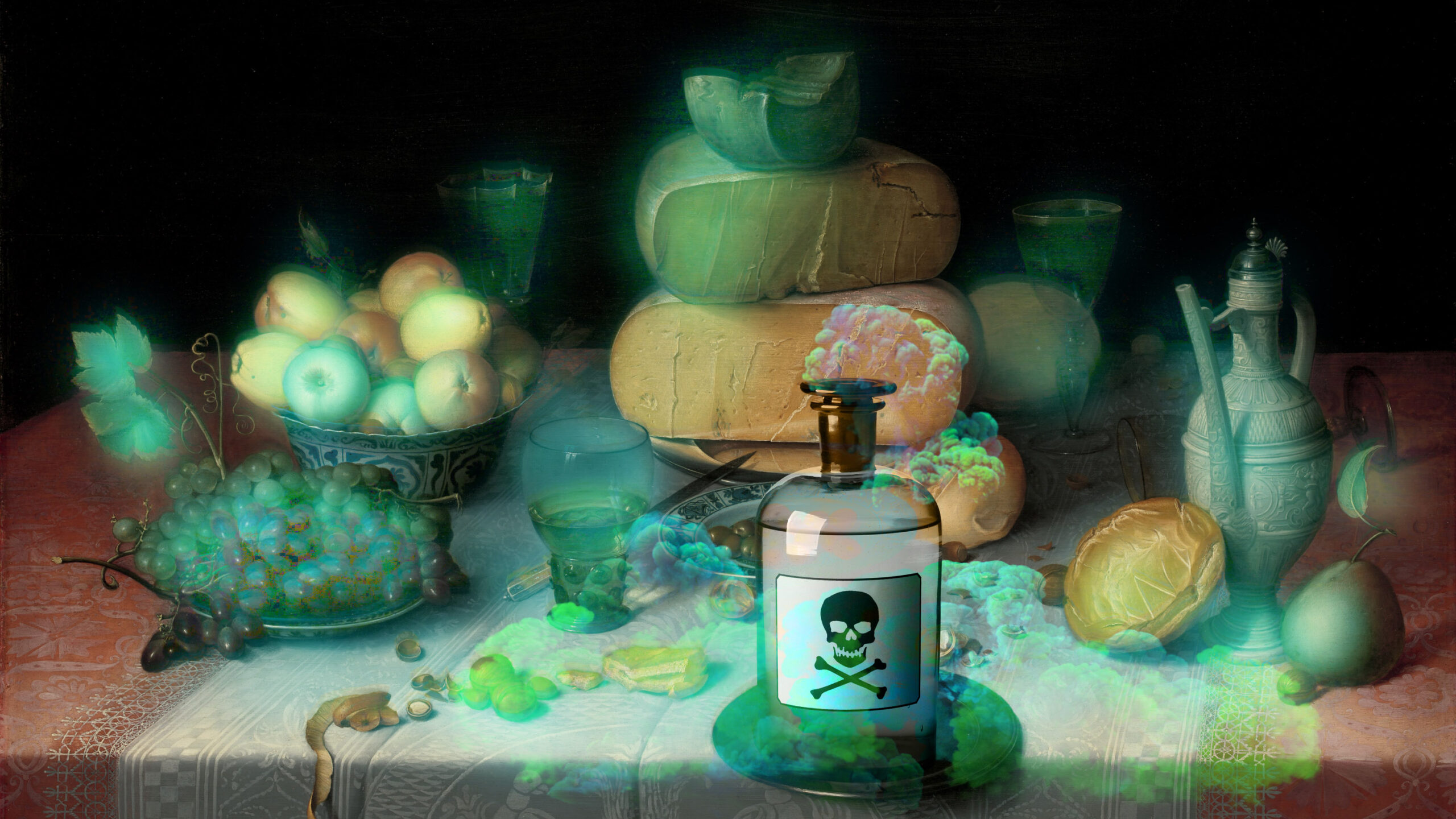 A new tool lets artists add invisible changes to the pixels in their art before they upload it online so that if it’s scraped into an AI training set, it can cause the resulting model to break in chaotic and unpredictable ways. The tool, called Nightshade, is intended as a way to fight back against AI companies that use artists’ work to train their models without the creator’s permission.
Source: This new data poisoning tool lets artists fight back against generative AI
AI music startup Boomy partners with fraud detection company Beatdapp
 AI music startup Boomy said Monday that it has integrated Beatdapp’s tech into its own distribution network to “verify the authenticity of every stream across all digital streaming platforms.” As part of this partnership, Boomy and Beatdapp say that the latter company conducted an analysis of Boomy’s entire distributed catalog “to certify the Boomy platform and appropriately allocate entitlements owed to rights holders and content creators”.
Human vs. AI-Generated Music: Indistinguishable, or Uncanny Valley?
 Artificial intelligence (AI) technology has advanced to the point where AI systems can be used to create new musical works and songs. As AI becomes more ubiquitous in the process of making music, artists and listeners both will have to address a looming question: do humans or machines make better music?
Source: Human vs. AI-Generated Music: Indistinguishable, or Uncanny Valley? – Decrypt
‘The potential to undermine democracy’: European publishing trade bodies call for action on generative AI
 As the world’s largest book fair began in Frankfurt, an online statement published on Wednesday called for co-legislators to “seize the opportunity” of the EU’s AI act – which classifies AI systems according to the risk they pose to users and applies regulation accordingly – to “ensure the transparency” of generative AI and “make it safer for European citizens”.
From ‘Low Rate of Accuracy’ to 99% Success: Can OpenAI’s New Tool Detect Deepfakes?
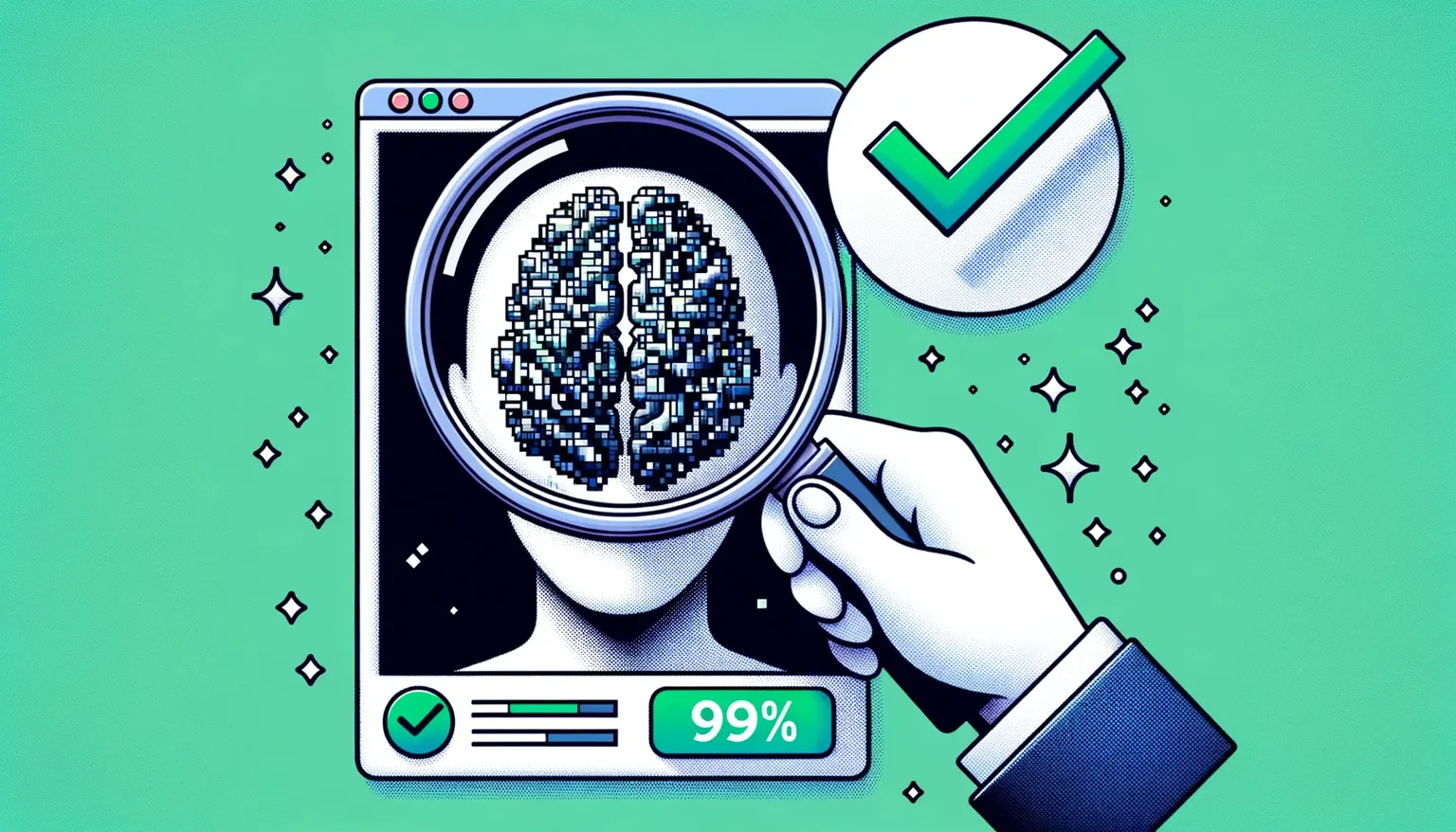 OpenAI, a pioneer in the field of generative AI, is stepping up to the challenge of detecting deepfake imagery amid a rising prevalence of misleading content spreading on social media. At the recent Wall Street Journal’s conference the company’s chief technology officer, Mira Murati, unveiled a new deepfake detector. Murati said OpenAI’s new tool boasts “99% reliability” in determining if a picture was produced using AI.
Source: From ‘Low Rate of Accuracy’ to 99% Success: Can OpenAI’s New Tool Detect Deepfakes? – Decrypt
Artificial Intelligence Companies Aren’t Very Transparent, Report Finds
 Researchers from Stanford University have published a report ranking how transparent artificial intelligence (AI) models are and found them wanting. The findings from Stanford Human-Centered Artificial Intelligence (HAI) were compiled into its Foundation Model Transparency Index and gave 10 leading AI models a score out of 100.Among the models that Stanford HAI looked at are Stability AI’s image generator Stable Diffusion, Meta’s Llama 2, and OpenAI’s ChatGPT.
Source: Artificial Intelligence Companies Aren’t Very Transparent, Report Finds
Google says data-scraping lawsuit would take ‘sledgehammer’ to generative AI
 Google has asked a California federal court to dismiss a proposed class action lawsuit that claims the company’s scraping of data to train generative artificial-intelligence systems violates millions of people’s privacy and property rights. It said the lawsuit would “take a sledgehammer not just to Google’s services but to the very idea of generative AI.”
Source: Google says data-scraping lawsuit would take ‘sledgehammer’ to generative AI
Hollywood’s AI issues are far from settled after writers’ labor deal with studios
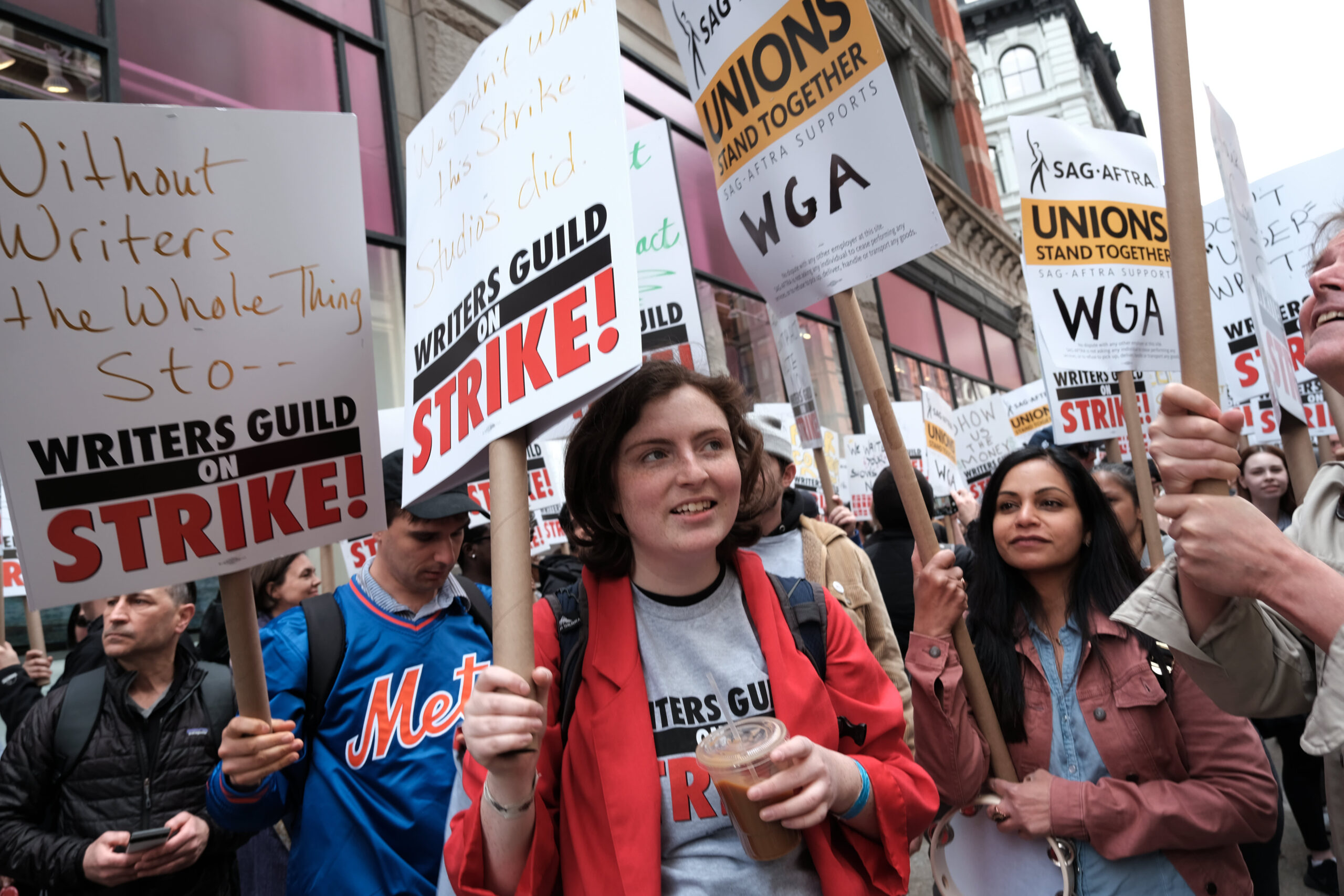 Hollywood studios training AI with preexisting materials could create a whole new set of issues for writers by allowing the studios to use previous work to generate similar materials without the writer’s consent or even awareness. It is in this gray area that thorny issues could sprout, according to Leslie Callif, partner at Beverly Hills entertainment law firm Donaldson & Callif.
Source: Hollywood’s AI issues are far from settled after writers’ labor deal with studios
AI voice clones mimic politicians and celebrities, reshaping reality
 Artificial intelligence voice cloning software has rapidly increased in quality. It’s allowing anyone from foreign actors to music fans to copy somebody’s voice. On Thursday, a bipartisan group of senators announced a draft bill, called the No Fakes Act, that would penalize people for producing or distributing an AI-generated replica of someone in an audiovisual or voice recording without their consent.
Source: AI voice clones mimic politicians and celebrities, reshaping reality