Technology

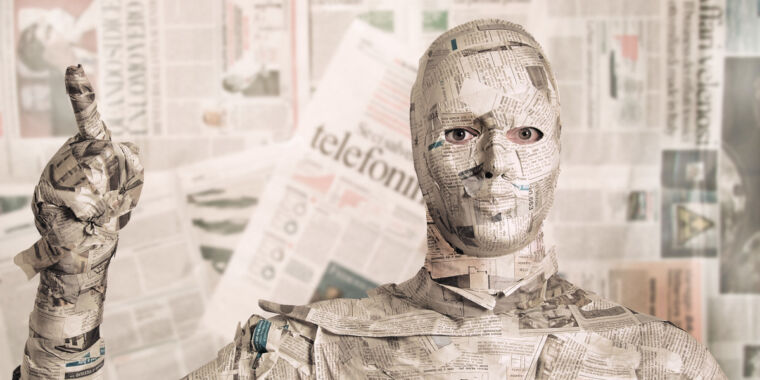
Journalists “deeply troubled” by OpenAI’s content deals with Vox, The Atlantic

On Wednesday, Axios broke the news that OpenAI had signed deals with The Atlantic and Vox Media that will allow the ChatGPT maker to license their editorial content to further train its language models. But some of the publications’ writers—and the unions that represent them—were surprised by the announcements and aren’t happy about it. Already, two unions have released statements expressing “alarm” and “concern.”

Source: Journalists “deeply troubled” by OpenAI’s content deals with Vox, The Atlantic
OpenAI Inks Licensing Deals to Bring Vox Media, The Atlantic Content to ChatGPT

OpenAI announced pacts with two more media companies — Vox Media and The Atlantic — to license their content for the ChatGPT artificial-intelligence chatbot. Under the deals, the companies also will work with OpenAI on a range of product-development initiatives.

Source: OpenAI Inks Licensing Deals to Bring Vox Media, The Atlantic Content to ChatGPT

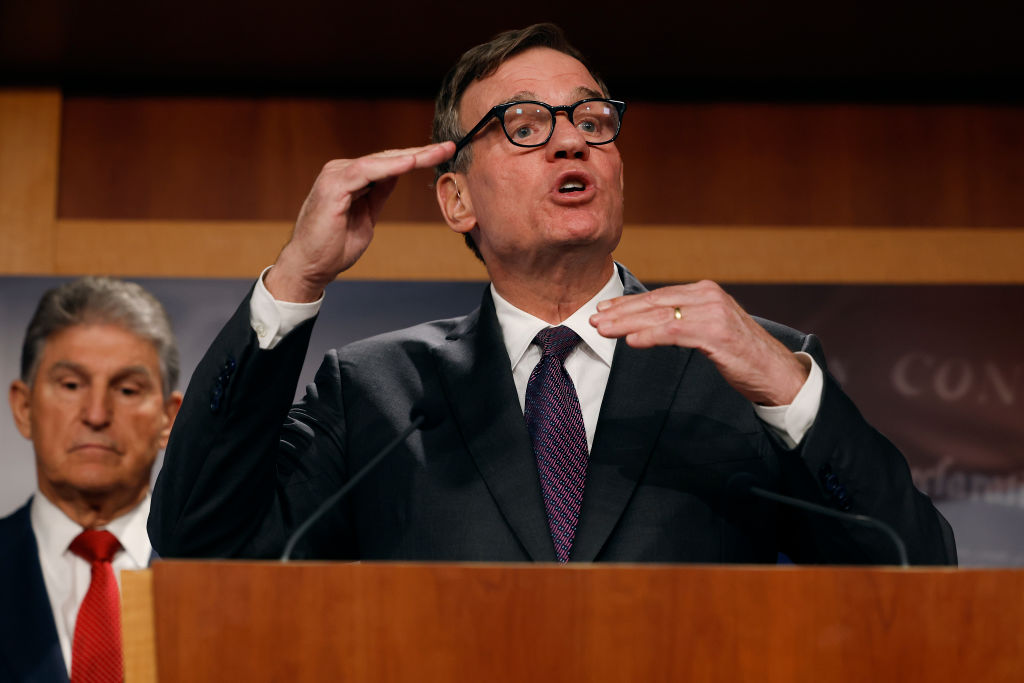
Senate Democrat pushes for expansion to DMCA exemption to include AI research

An exemption under the Digital Millennium Copyright Act should be expanded to include generative artificial intelligence research focused specifically on embedded biases in AI systems and models, a top Senate Democrat argued in a new letter to the Library of Congress.

Source: Senate Democrat pushes for expansion to copyright act to include generative AI research

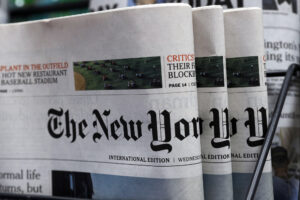
News Corp. Deal With OpenAI Proves ‘NY Times’ Suit Is Right, Lawyers Say

News Corp.’s deal with OpenAI supports the contention by the New York Times that publishers should be paid when their work is used for AI, Times lawyers say. “The Times is pleased to see that OpenAI increasingly acknowledges this industry-wide problem and is paying publishers for their work,” a Times spokesperson told Legaltech News. 

Source: Publishers Daily: News Corp. Deal With OpenAI Proves ‘NY Times’ Suit Is Right, Lawyers Say

With the EU AI Act incoming this summer, the bloc lays out its plan for AI governance

The European Union has taken the wraps off the structure of the new AI Office, the ecosystem-building and oversight body that’s being established under the bloc’s AI Act. The risk-based regulatory framework for artificial intelligence is expected to enter into force before the end of July — following the regulation’s final approval by EU lawmakers last week. The AI Office will take effect on June 16.

Source: With the EU AI Act incoming this summer, the bloc lays out its plan for AI governance | TechCrunch

UK Publishers urge action to control generative AI

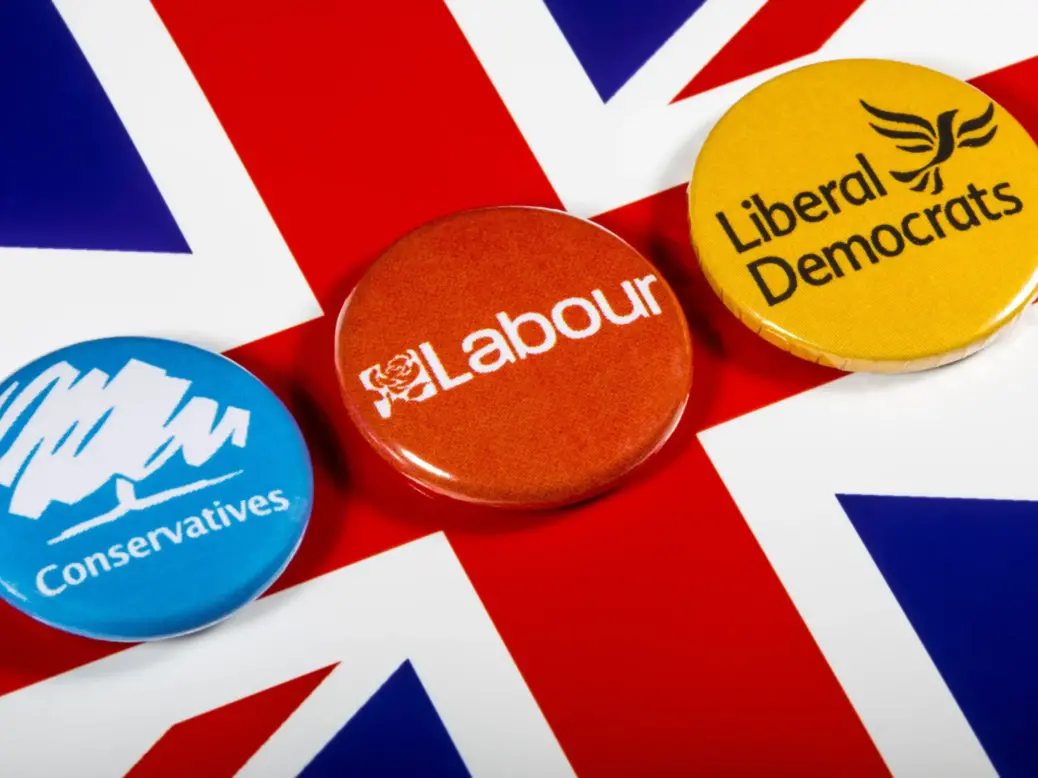
UK local and national news publishers have asked for protection from the next government from generative AI companies taking their content without payment. As the UK goes to the polls on 4 July, the News Media Association (which represents most UK local and national news publishers) has set out its own “election manifesto” of policy priorities.

Source: Media manifestos 2024: Publishers urge action to control generative AI

He Said, ‘Her’ Said

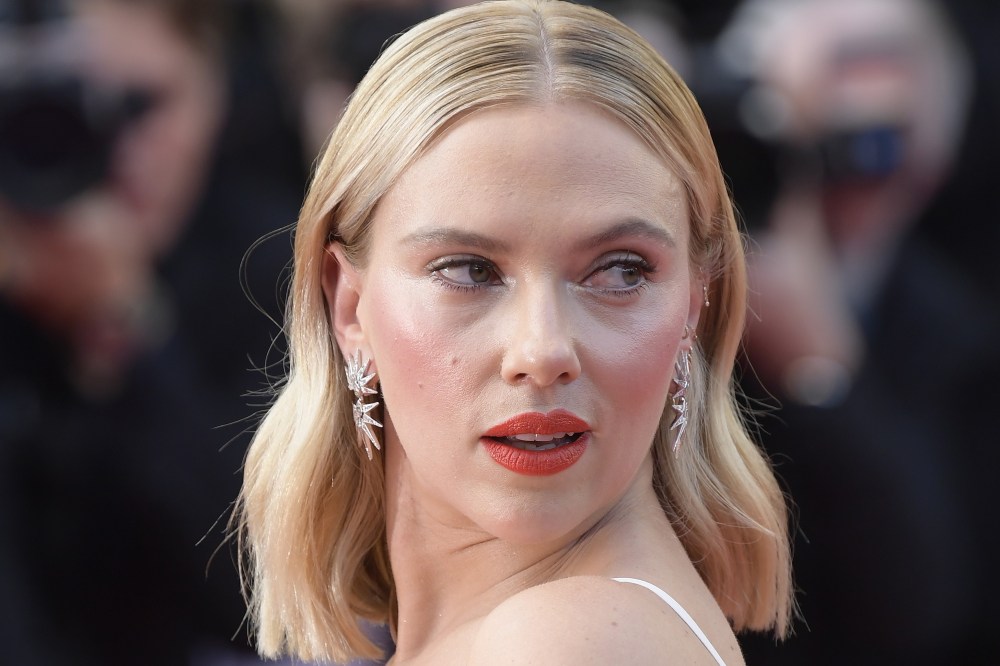
OpenAI’s Sam Altman did himself no favors when he tweeted out “her” to mark the official unveiling of ChatGPT-4o, the company’s new talking chatbot. The tweet (or whatever we’re supposed to call them these days) appeared to be a reference to the 2013 Oscar-winning film, Her, for which Scarlett Johansson provided the sultry voice of Samantha, an AI assistant, and which Altman has publicly identified as his favorite movie.

It also appeared to confirm that the voice of Sky, one of the five voices available in the chatbot, and one which bears a striking resemblance to that of Johansson’s character in the film, was specifically and intentionally designed to mimic the actress, whether by cloning her voice from recordings or by hiring another actress to imitate her.

AI Models Reveal Pro-Copyright Bias By Shutting Down Piracy Research

The seemingly endless possibilities of generative AI are not on an unavoidable collision course with copyright law; the collision happened way back and sooner or later, someone will have to pick up the bill. In the meantime, popular LLMs seem to be developing a stubborn, pro-copyright streak, partly due to all the industry propaganda they’ve been consuming. But don’t fight back, it’s time to team up.

Source: AI Models Reveal Pro-Copyright Bias By Shutting Down Piracy Research * TorrentFreak

Washington pushes for new AI rules protecting artists as Hollywood backlash mounts

Senators are pushing to introduce a bill as early as June that would set rules governing the use of AI in the music and movie industries, an effort that coincides with new AI tensions roiling Hollywood. The NO FAKES Act — which stands for Nurture Originals, Foster Art, and Keep Entertainment Safe — is a bipartisan proposal that would stop individuals or companies from using AI to produce an unauthorized digital replica of their likeness or their voice.

Source: Washington pushes for new AI rules protecting artists as Hollywood backlash mounts

FT CEO: News orgs ‘have leverage and should insist on payment’ from AI companies

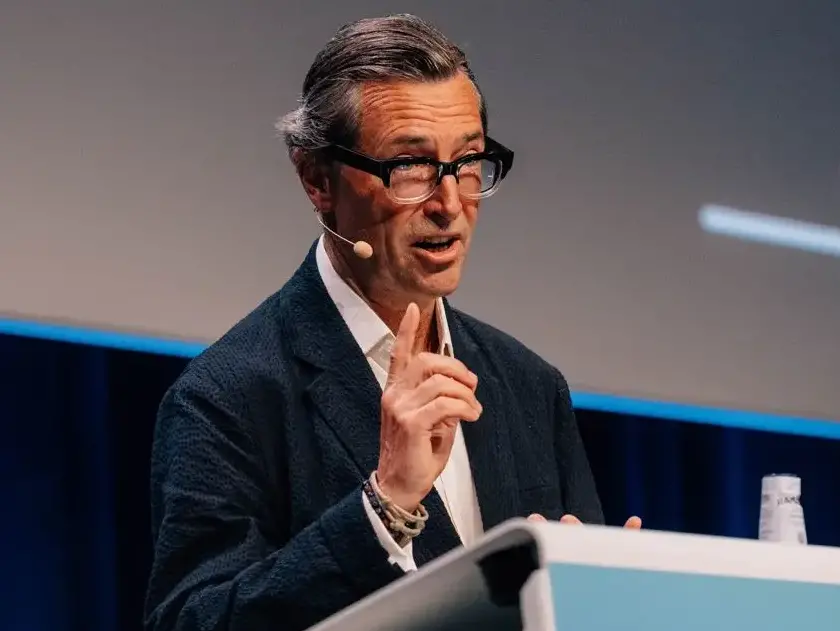
Financial Times chief executive John Ridding has told other news publishers they “have leverage and should insist on payment” from AI companies. His words for the industry at the WAN-IFRA World News Media Congress in Copenhagen came one month after the Financial Times became the first UK news publisher to announce a licensing deal with OpenAI.

Source: FT CEO: News orgs ‘have leverage and should insist on payment’ from AI companies

Get the latest RightsTech news and analysis delivered directly in your inbox every week
We respect your privacy.