
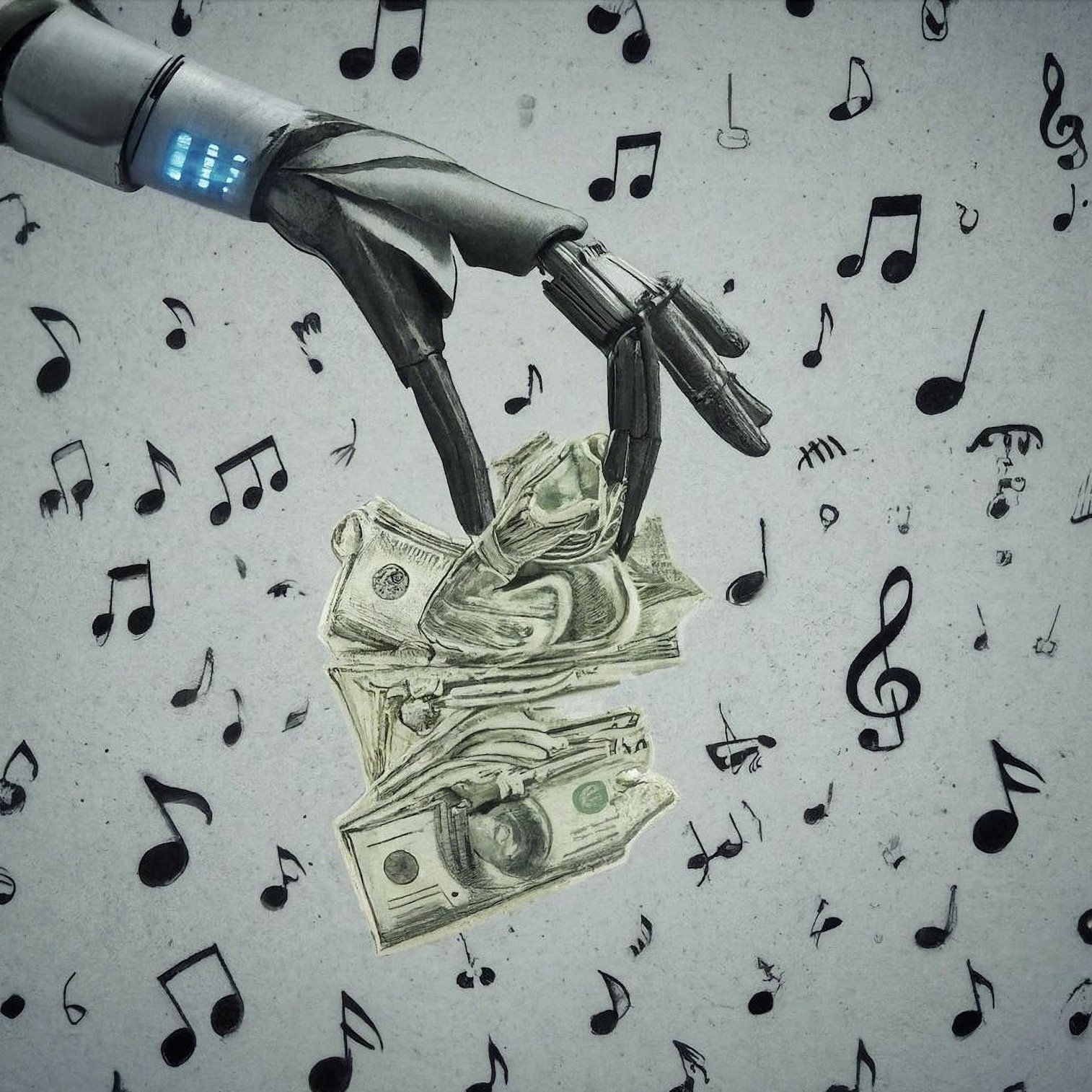
 In June, controversial AI music startups Suno and Udio were sued by the major record companies for allegedly training their systems using the majors’ recordings without permission. Now, in responses filed in US federal courts on Thursday (August 1), the two AI companies have pretty much admitted that they used copyrighted recordings from the recording companies that sued them.
Technology
Chuck Schumer eyes opportunities to pass deepfake and AI bills as 2024 elections near
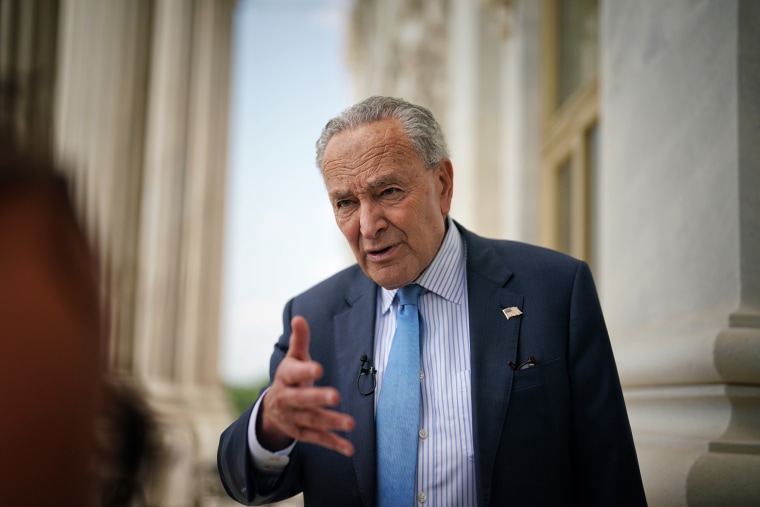 With the window for legislative action quickly closing this calendar year and control of the chamber up for grabs, the powerful New York Democrat is eyeing must-pass bills as a vehicle to get something done on the fast-moving technology he’s labeled a threat to democracy and national security. Schumer hinted to NBC News that two deepfake election bills could be attached to the must-pass funding bill needed to avert a government shutdown at the end of September.
Source: Chuck Schumer eyes opportunities to pass deepfake and AI bills as 2024 elections near
Faceoff: Auditable AI Versus the AI Blackbox Problem
 Companies that can’t see how AI is making each decision are at risk financially, reputationally, and legally. The prevailing atmosphere of ignorance — one formed from illogical fear and the other from a lack of information — is untenable. But breaking the AI black box seems undoable. And yet remarkable progress has been made in making AI auditable — an important step in coaxing AI to reveal its secrets.
Source: Faceoff: Auditable AI Versus the AI Blackbox Problem
Meta courts celebs like Awkwafina to voice AI assistants ahead of Meta Connect
 Judi Dench, Keegan-Michael Key, and Awkwafina are among multiple “actors and influencers” whose voices could become part of Meta’s AI offering, Bloomberg reported on Friday. The company is apparently working to wrap up deals quickly so it can develop and show off the new voices at its Meta Connect conference in September.
Source: Meta courts celebs like Awkwafina to voice AI assistants ahead of Meta Connect
Artists and major music companies applaud introduction of ‘landmark’ NO FAKES Act in US Senate
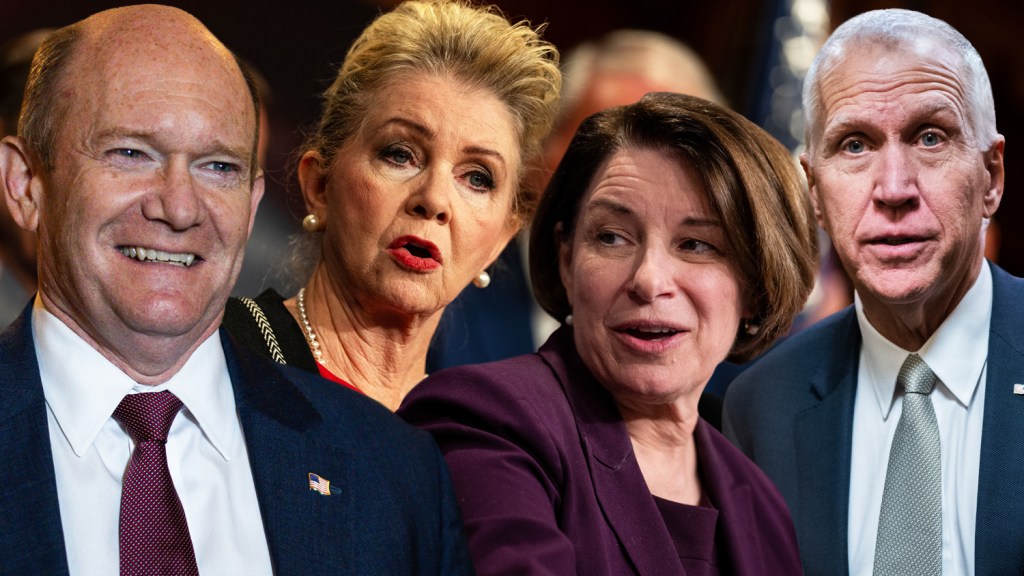
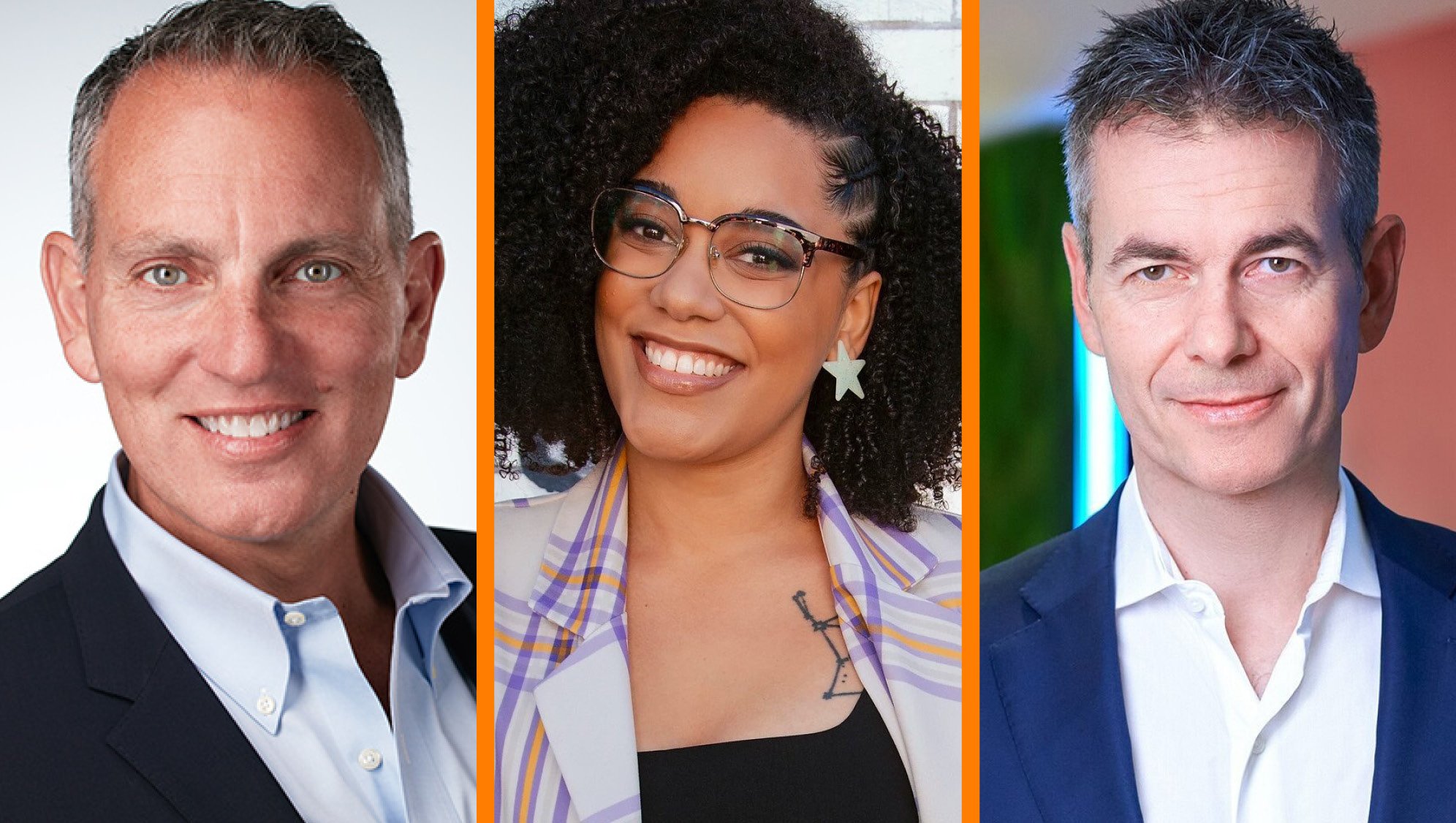 The bill was introduced in the US Senate on Wednesday (July 31) by two Democratic senators – Sen. Chris Coons of Delaware and Sen. Amy Klobuchar of Minnesota – and two Republicans, Sen. Marsha Blackburn of Tennessee and Sen. Thom Tillis of North Carolina. The bill has received backing from many prominent members of the music industry, including Warner Music Group CEO Robert Kyncl, who appeared before the Senate Judiciary Committee in April in support of the legislation.
Source: Artists and major music companies applaud introduction of ‘landmark’ NO FAKES Act in US Senate
Harmony Or Discord? The Impact Of Generative AI On Music Copyright
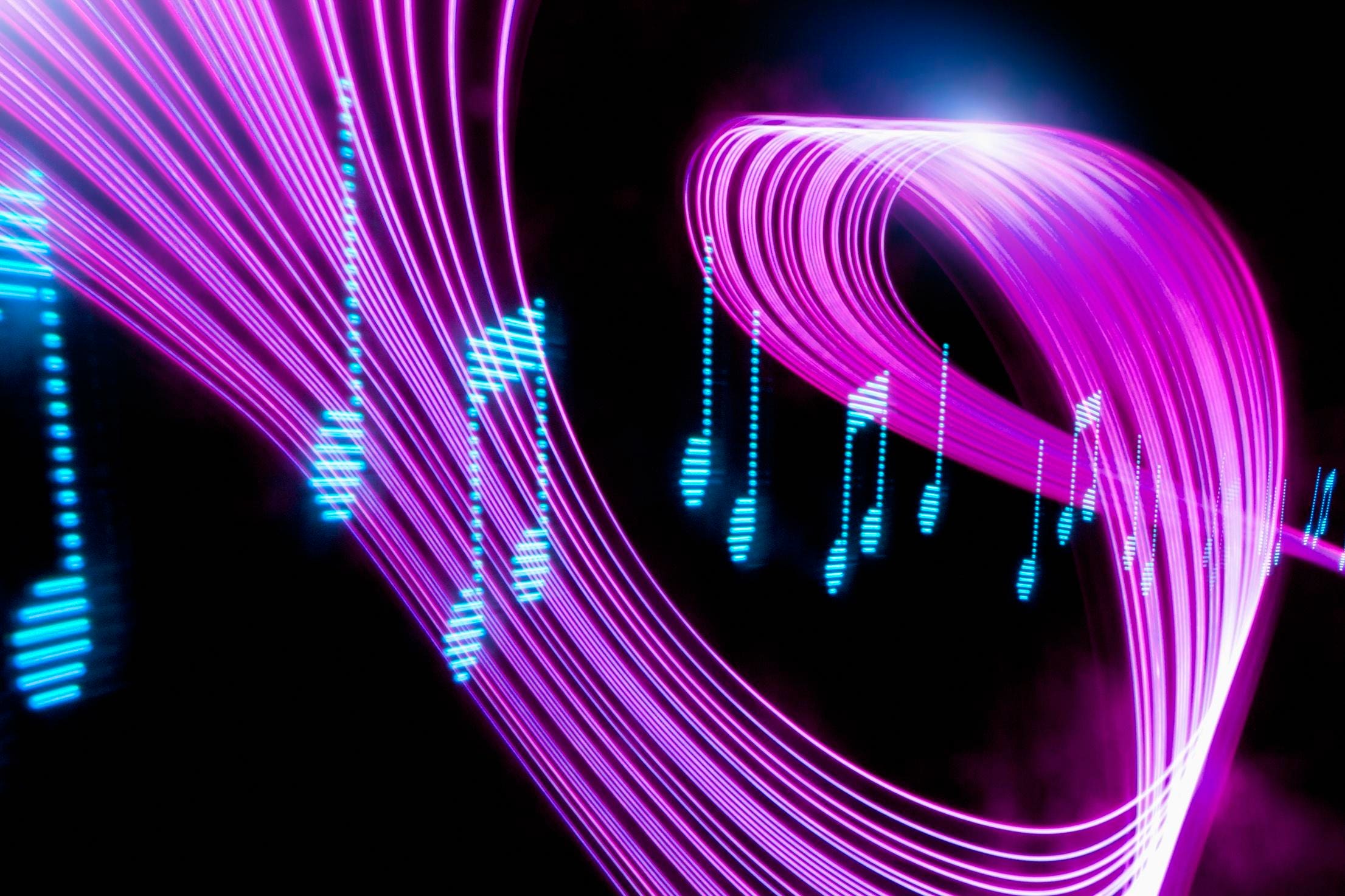 AI-generated music forces us to reconsider fundamental concepts of authorship, creativity and intellectual property rights. As AI systems produce new compositions based on vast datasets of existing music, the boundaries between human and machine creativity blur. Who holds the rights to AI-generated songs that draw inspiration from copyrighted works? How do we fairly compensate the original human creators whose material formed the basis of the AI’s learning?
Source: Council Post: Harmony Or Discord? The Impact Of Generative AI On Music Copyright
Studios Throw Support Behind SAG-AFTRA-Backed AI Digital Replicas Bill
 As SAG-AFTRA been pushing for protections against AI, the studios have been reluctant to support any legislation that might crack down on its uses too broadly. But now, it appears that the parties are on the same page as they’ve both thrown their support behind a newly introduced bipartisan Senate bill. The NO FAKES Act finally received support from the studios via the Motion Picture Association on Wednesday, after the group had warned of potential First Amendment violations earlier this year.
Senators want to prevent the next Scarlett Johansson AI voice fiasco
 Sens. Chris Coons (D-Del.) and Marsha Blackburn (R-Tenn.) on Wednesday are formally introducing an updated version of the Nurture Originals, Foster Art and Keep Entertainment Safe Act, or No Fakes Act, a major entry in the congressional debate over AI guardrails. The bill, initially unveiled as a discussion draft late last year, would give people a federal property right to approve the use of their voice, appearance or likeness — and expose those who create or distribute an unauthorized replica to legal liability.
Source: Analysis | Senators want to prevent the next Scarlett Johansson AI voice fiasco
Copyright Office Calls for Federal Digital Replica Law
 Given the gaps in existing legal protections, the Office recommends that Congress enact a new federal law that protects all individuals from the knowing distribution of unauthorized digital replicas. The Office also offers recommendations on the elements to be included in crafting such a law.
Websites are Blocking the Wrong AI Scrapers
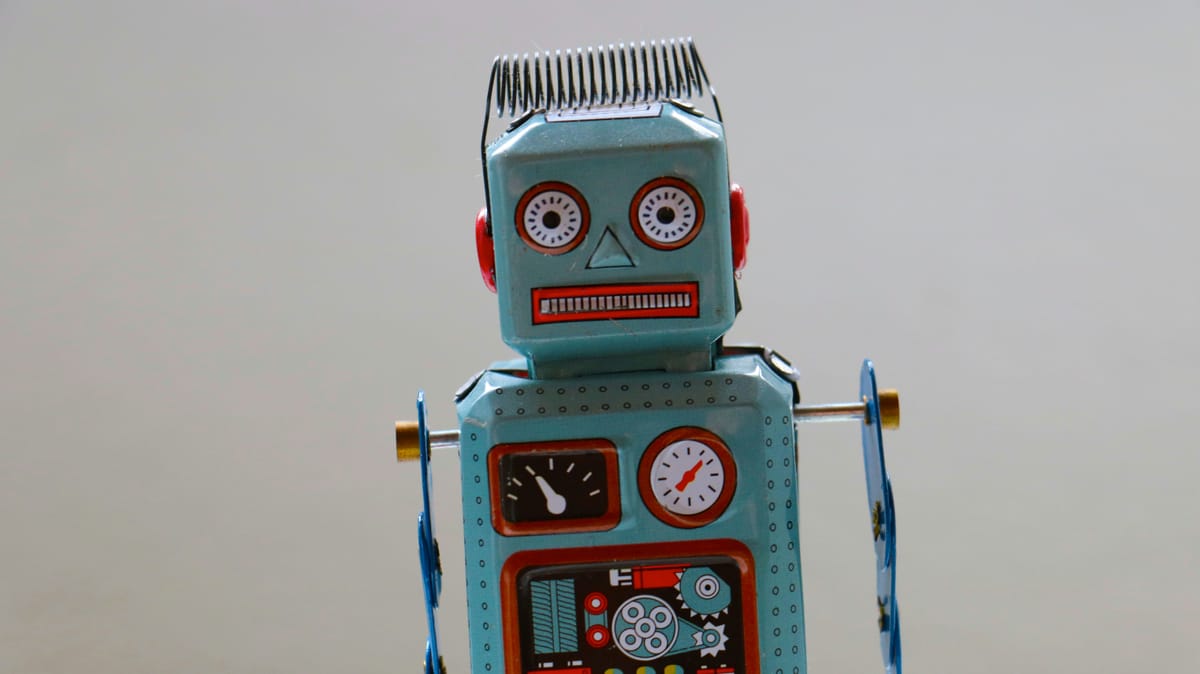 Hundreds of websites trying to block the AI company Anthropic from scraping their content are blocking the wrong bots, seemingly because they are copy/pasting outdated instructions to their robots.txt files, and because companies are constantly launching new AI crawler bots with different names that will only be blocked if website owners update their robots.txt.
Source: Websites are Blocking the Wrong AI Scrapers (Because AI Companies Keep Making New Ones)