
 Veen Bosch & Keuning, the largest publisher in the Netherlands, has confirmed plans to trial the use of artificial intelligence to assist in translation of commercial fiction.“There will be one editing phase, and authors have been asked to give permission for this,” a VBK spokesperson told the Bookseller. “We are not creating books with AI, it all starts and ends with human action.”
Source: Dutch publisher to use AI to translate ‘limited number of books’ into English
 In March, Tennessee became the first state to protect voice artists from unauthorized AI cloning. This summer, Colorado adopted a tiered, risk-based approach to AI policy. And in September, California Governor Gavin Newsom signed dozens of AI-related safety bills, a few of which require companies to disclose details about their AI training. But the U.S. still lacks a federal AI policy comparable to the EU’s AI Act.
 In a quarterly earnings call that was overwhelmingly about AI and Meta’s plans for it, Zuckerberg said that new, AI-generated feeds are likely to come to Facebook and other Meta platforms. Zuckerberg said he is excited for the “opportunity for AI to help people create content that just makes people’s feed experiences better.”

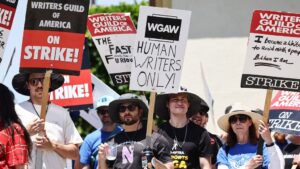 A.I. is evolving so rapidly, and remains so poorly understood by so many people in Hollywood, that it’s difficult to predict how it will wind up proving most beneficial, and which aspects of the filmmaking process it will disrupt first. “Everyone’s nervous,” says Susan Sprung, the Producers Guild’s chief executive, and yet no one’s quite sure what to be nervous about.
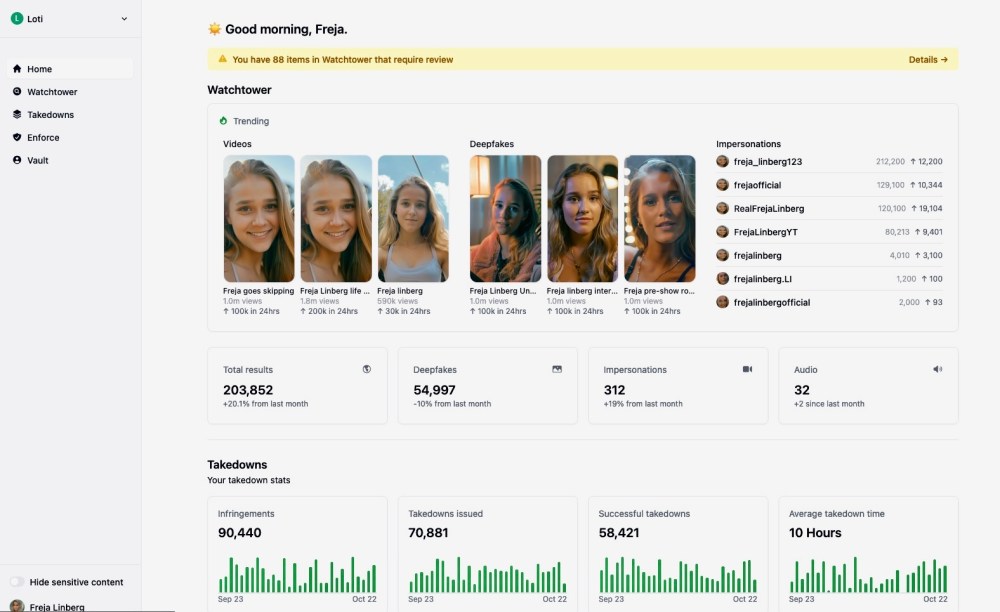
 US collective management organization ASCAP and French counterpart Sacem have announced a new strategic partnership that will see the two CMOs share technologies, extend a digital licensing partnership, bring their member creators together, and launch a new AI task force. The new partnership, announced on Wednesday (October 30), builds on earlier strategic collaborations between the two, including a 2022 digital licensing partnership.
 Meta is reportedly working on AI-powered search to reduce its dependency on Microsoft and Google. The development comes during a season where many vendors are finding new opportunities with search using generative AI. For example, Google — the clear leader in search up to now — has transformed its longstanding search strategy with AI Overviews, a feature that summarizes search results, provides product comparisons and performs other generative AI-powered services, over the past year.
 As AI voice generators have become more widespread, the music industry has taken a dual approach to the technology — backing state and federal legislation that adds protections for an artist’s voice while identifying tech companies like SoundLab that give artists control over any AI-generated output. On the latter front, UMG has already grown its roster of AI partners since releasing “Noche Buena y Navidad.”