
 Jason Isbell is suing AI music company Suno over the alleged commercial use of his identity. The six-time Grammy winner filed a proposed class action on Monday (August 31) in Boston federal court, alongside Cracker and Camper Van Beethoven frontman David Lowery, Texas blues musician Guy Forsyth, and Florida saxophonist Eduardo Calle. Interestingly, the 84-page lawsuit contains no copyright claim.
Source: Jason Isbell and David Lowery are suing Suno in a class action suit
 Over the last ten years, buying music became trendy. The logic was simple: recurring revenue, long duration, emotional resonance. Prices climbed. Multiples stretched. Everyone wanted to jump on the bandwagon. Then the market said enough. The collapse of the Hipgnosis Songs Fund looked, for a moment, like a verdict on music as an asset. It was not. It was a verdict on an over-leveraged fund. Content underneath it was just fine. Music is still the name of the game. What came next proved the point.
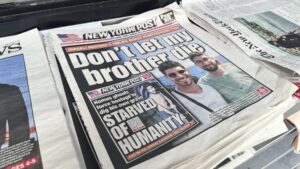
 Sony Music Publishing and Warner Chappell Music have joined forces to sue Anthropic, home of Claude, over what the publishers call “one of the largest and most blatant ongoing thefts of intellectual property in history.” The complaint also names Anthropic Co-Founder and Chief Executive Officer Dario Amodei and Co-Founder Benjamin Mann as individual defendants. It was filed on Friday (August 28) in the US District Court for the Northern District of California.
 The full array of patents extends beyond music to audio, video, film, animation, images, and text, as well as applications involving name and likeness, according to MIH. Digital services can license them through an online platform that MIH said is designed for widespread adoption. Meanwhile, UMG, its affiliates, artists and songwriters – plus other participating rightsholders – will be able to use the portfolio to protect their works against unlicensed and unauthorized generative AI uses.
 Australia passed legislation on Thursday that will force tech giants to pay millions of dollars in levies if they fail to strike commercial deals with local media outlets for news on their platforms. The News Bargaining Incentive taxes the companies 2.5% on their advertising revenues unless they strike agreements. Proceeds from the scheme would be directed to local Australian news outlets, whose content helps drive user engagement and advertising revenue on the tech firms’ platforms.
 A group of Hollywood filmmakers, executives and actors has spent the last three years secretly meeting with Silicon Valley executives to try to address a simmering issue in the industry: how to define where AI is useful in the context of a human-controlled creative process. After a meeting last weekend of about 120 participants, the coalition landed on a framework that outlines how AI is already present in the film industry and defines ways humans can maintain control of other use cases.
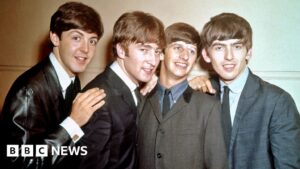 Universal Music Group has signed an exclusive, long-term global partnership with Apple Corps Ltd. covering merchandise, licensing, and e-commerce for The Beatles. The agreement was announced on Wednesday (August 19). It hands UMG worldwide physical and digital merchandise rights for the band and builds on Universal’s existing stewardship of The Beatles’ recorded music catalog.
 Each suit attaches an exhibit of 500 compositions, described as “a prioritized representative bellwether”. Round Hill says it plans to amend both cases to cover “potentially ten thousand or more” works. The suits claim direct infringement under the Copyright Act, plus circumvention of access controls and removal of copyright management information under the Digital Millennium Copyright Act.
 Suno, the AI music generator that’s managed to both rankle the music industry and lure some of its biggest talent to its side, has added music company BMG as its latest licensing partner as it prepares new models powered by licensed work. The partnership will see Suno pay for BMG’s repertoire of recordings from its artists, while also covering the use of any BMG songs to train Suno’s past models.