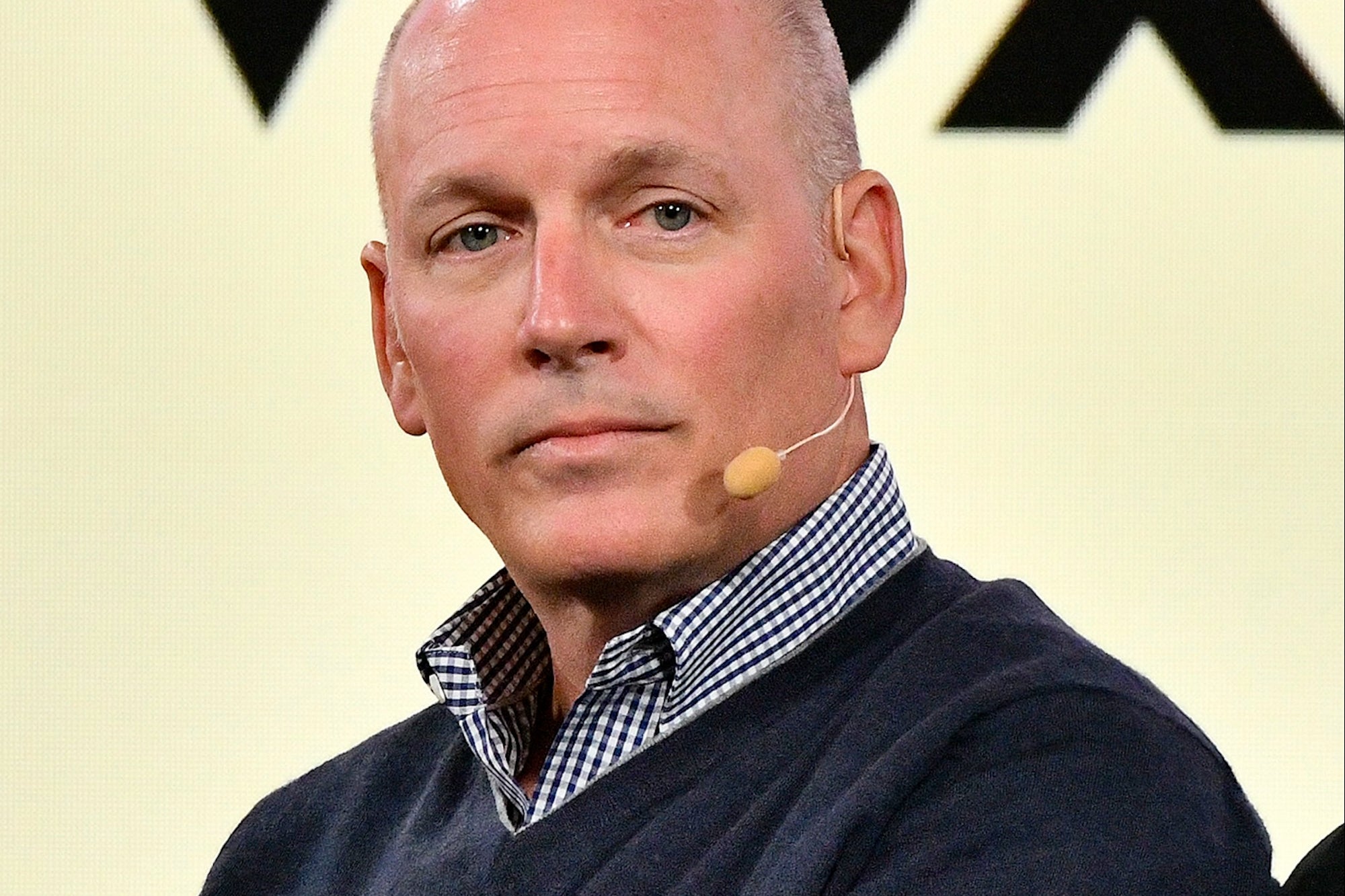
 The impact of artificial intelligence, particularly generative AI, on the media and entertainment industries was a topic of debate at the Media & Telecoms 2025 & Beyond Conference in London on Tuesday. And some industry executives suggested that an alliance of media players could be the best strategy to protect copyright and open up opportunities for media companies in the AI age.
Source: “NATO for News”: Is a Joint Effort by Media Companies the Way to Go in the Age of AI?

 Rezonate Music Rights has launched with $150 million in backing from Bridgepoint Credit to acquire music producer royalty rights globally. The London-based investment platform was co-founded by Cam Blackwood, the producer behind albums by artists George Ezra, Tom Walker, and Jack Savoretti, and Tom Tyler, who has over 20 years of experience in senior financial roles at the London Stock Exchange Group.
 The International Confederation of Music Publishers (ICMP) has released its first-ever analysis of global music publishing, surveying 16 major music markets. The headline finding? Music publishing brings in a little over $11 billion annually in those markets. The number includes publishers’ direct revenue, plus distributions to publishers and songwriters from collective management organizations (CMOs).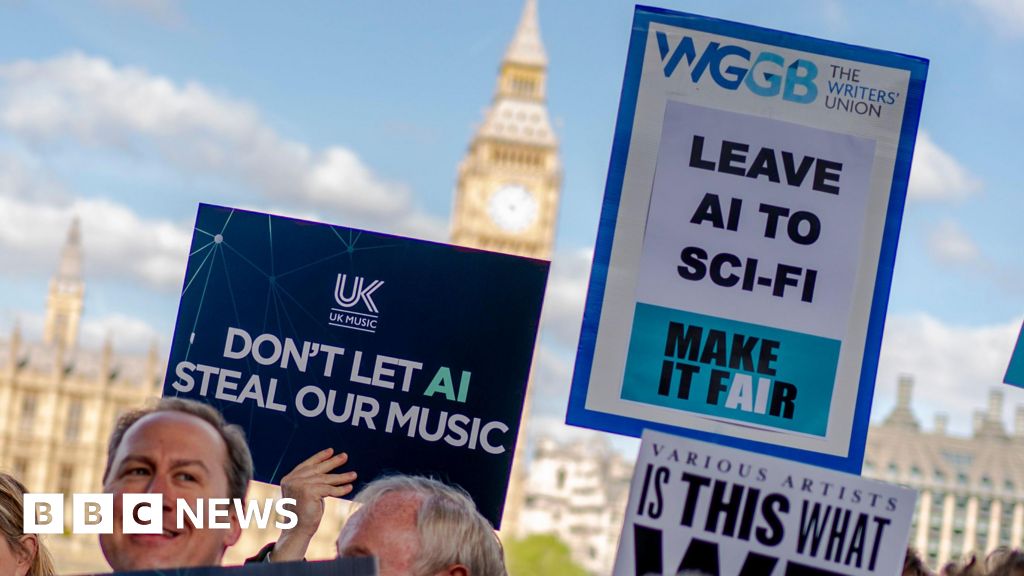
 The combined value of the transactions is believed to be upwards of $25 million. Round Hill said on Thursday (May 29) that these transactions bring its total catalog value under management back to over USD $1 billion ($1.1bn), following the $468.8 million sale of its London Stock Exchange-listed fund to Concord in 2023. Round Hill continues to manage five private funds following the sale of the UK-listed fund.
 The New York Times Company has agreed to license its editorial content to Amazon for use in the tech giant’s artificial intelligence platforms, the company said on Thursday. Amazon’s use of editorial content from The Times could extend to the Alexa software found on its smart speakers. Material from The Times will also be used to train Amazon’s proprietary A.I. models, the company said.