Rights

The Ins and Outs of AI Art and Copyright

EXTRA A trio of artists last week filed a lawsuit in U.S. District Court in San Francisco against the developers of Stable Diffusion, Midjourney and DeviantArt, charging them with copyright infringement for scraping millions of images from the internet and using them without permission to train their artificial intelligence-based image-generating software. The complaint, which asks the court to certify it as a class action, also charges the defendants with unfair competition and violating the plaintiffs’ right of publicity under California law for advertising their AI’s ability to create works “in the style of” named artists.


Epidemic Sound, Meta Trial Scheduled For September of 2024

Epidemic Sound sued Meta for copyright infringement in July 2022, and the two are now scheduled to head to trial in September 2024. This purported infringement, the plaintiff company claims, centers on Meta’s allegedly “offering Epidemic’s works through its ‘music library’ for any of its users to use…without license or other authorization.”

Source: Epidemic Sound, Meta Trial Scheduled For September of 2024

TeamLab Wins an Early Victory in Its Copyright Suit Against an L.A. Museum 

The Japanese art collective teamLab, which draws crowds around the world for its immersive environments, is declaring a partial victory in an ongoing copyright dispute with a Los Angles museum that may have infringed on its work. Though the complex case is far from over, and is still set to proceed to a jury trial, the latest ruling is likely to set key precedents for the increasingly popular realm of immersive installations.

Source: TeamLab Wins an Early Victory in Its Copyright Suit Against an L.A. Museum It Says Copied Its Immersive Installations | Artnet News

International Literary Properties Adds Nonfiction Estates

Working with film, television, and stage producers, the company uses as a motto, “We invest in rights to the written word,” and most recently has demonstrated this with Monday’s news (January 9) that it has just added three new estates to its nonfiction portfolio—the writings of Roger Tory Peterson, John Brooks, and HW Janson.

Source: Rights Edition: International Literary Properties Adds Nonfiction Estates

PRS sues platform behind record-breaking Dua Lipa livestream for lack of licenses

In a lawsuit filed in December, PRS for Music alleges LIVENow concerts lacked the correct licensing, including the Dua Lipa “Studio 2054” online event, which took place in November 2020. The event sold 285,000 tickets and attracted 5 million viewers. Gavin Larkins, Director of Commercial Development, PRS for Music, said in a statement that, “no PRS member has been paid for the use of their songs in this event, or the other concerts held by LIVENow”.
Source: PRS for Music sues platform behind record-breaking Dua Lipa livestream for alleged lack of licenses

Warner Bros. Discovery Exploring Sale of Music Assets

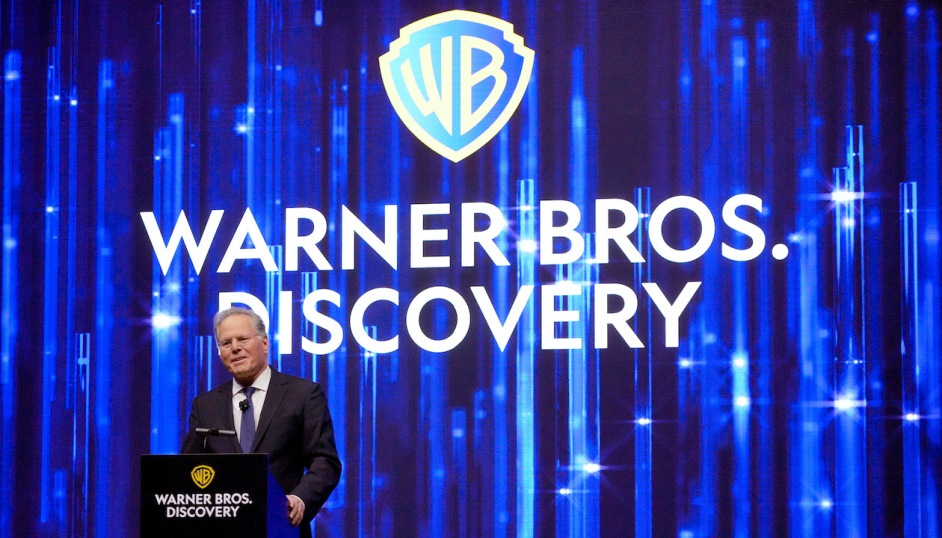
Warner Bros. Discovery is exploring a sale for its music assets that could be worth upwards of $1 billion in a deal being shopped by Allen Grubman. Universal Music Group (UMG) already administers the publishing assets, which are likely the largest part of the deal, and Warner Music Group (WMG) distributes WaterTower Music, Warner Bros. Discovery’s in-house record label.

Source: Warner Bros. Discovery Exploring Sale of Music Assets

John Fogerty Buys Back Creedence Clearwater Revival Catalog

John Fogerty announced the music-IP buyout today, indicating that the transaction covers “a majority interest of the worldwide publishing rights” to the historic CCR song catalog. “As of this January, I own my own songs again,” Berkeley-born Fogerty said of his deal with Concord. “This is something I thought would never be a possibility. After 50 years, I am finally reunited with my songs.”

Source: John Fogerty Buys Back Creedence Clearwater Revival Catalog

UMG’s Lucian Grainge: Music needs a new streaming payout model

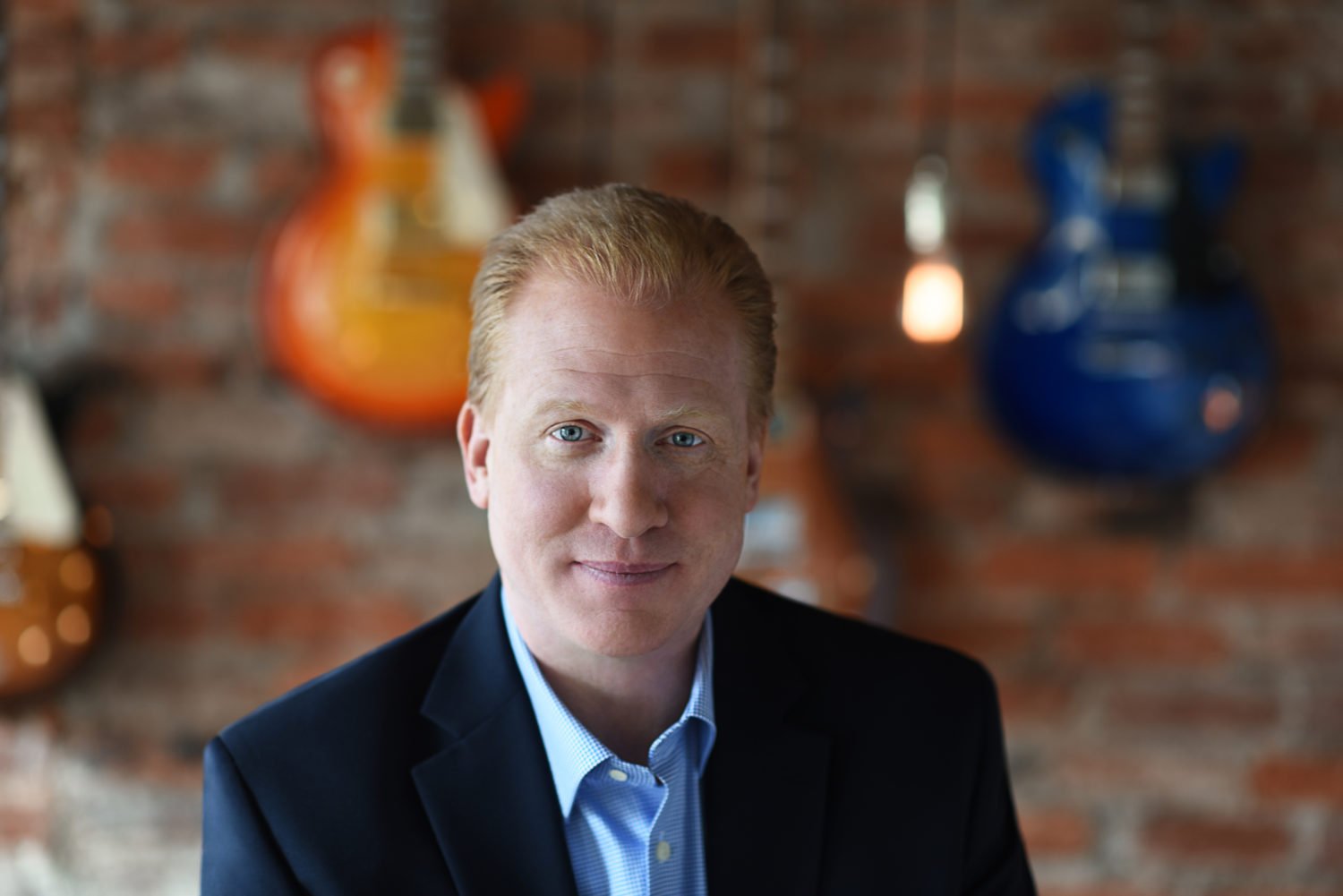
Sir Lucian Grainge, Chairman and CEO of Universal Music Group, has said the way music streaming services pay labels and artists today has to change. “There is a growing disconnect between, on the one hand, the devotion to those artists whom fans value and seek to support and, on the other, the way subscription fees are paid by the platforms. Under the current model, the critical contributions of too many artists, as well as the engagement of too many fans, are undervalued.”

Source: Sir Lucian Grainge: Music needs a new streaming payout model… and we’re working on it.

Huppe: ‘Artists won’t stop fighting until large broadcast corporations pay fairly for music.’

For years, Big Radio has followed the same cynical formula. Convince lawmakers to sign on to a symbolic, non-binding resolution that labels performance royalties – otherwise known as payments to artists for their hard work – as a “tax.” Then have the audacity to insist that music creators accept the no-payments status quo as “mutually beneficial.” And finally, they’d claim that having to pay royalties would devastate small broadcasters.

Source: ‘Artists won’t stop fighting until large broadcast corporations pay fairly for music.’

Digital Music Securities to Use Intertrust to Revolutionize Music Rights Market

Rights management provider Intertrust today announced its collaboration with Music Securities, a leading independent financial services company, to create a more democratic music rights marketplace providing the creator economy with new sources of revenue. “Artists who own their master recording rights will receive a fair share of the proceeds of their sales, and transfer their rights to tap into significant revenue streams,” said Masami Komatsu, Music Securities’ CEO.

Source: Digital Music Securities to Use Intertrust Web 3.0 Technology to Revolutionize the Music Rights Market

Get the latest RightsTech news and analysis delivered directly in your inbox every week
We respect your privacy.