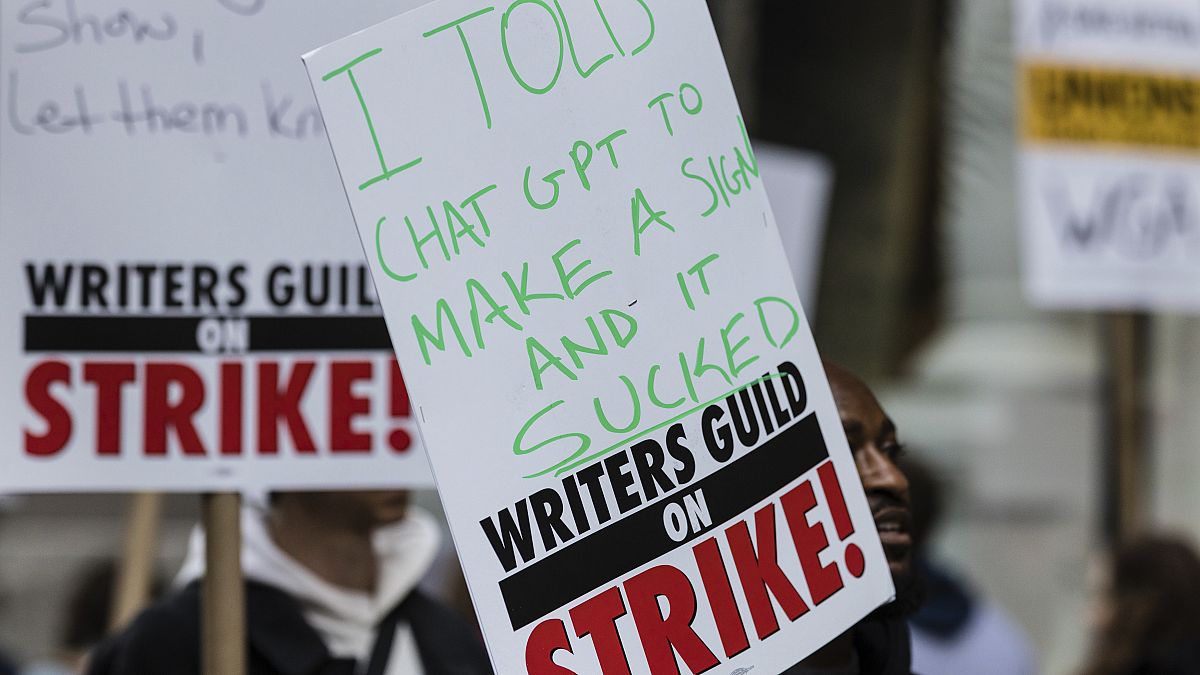
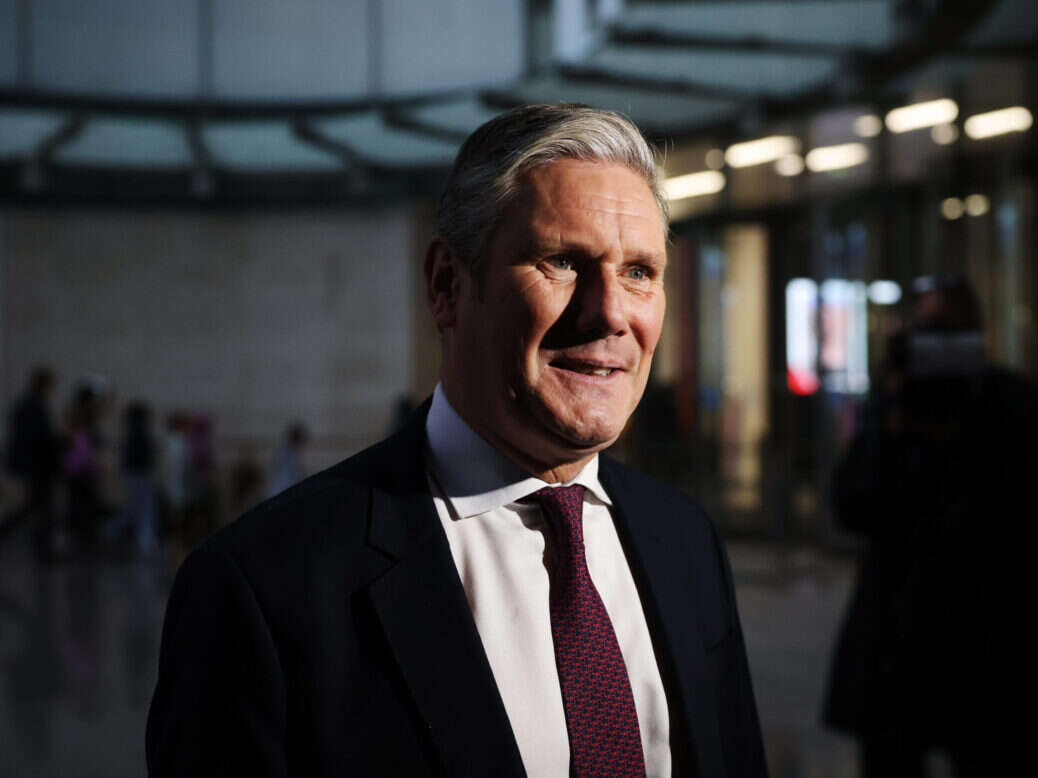
 Prime Minister Keir Starmer has said in a letter to the News Media Association that his government “recognizes the basic principle” that publishers should seek compensation for the use of their content by artificial intelligence companies. Marking the start of the NMA‘s annual “Journalism Matters” week, the Labour leader said both AI and the media were “central” to the government’s growth goals and he hoped to “rebalance” the relationship between platforms and publishers using the Digital Markets and Consumers Act.
Source: Keir Starmer: AI companies should pay publishers for content

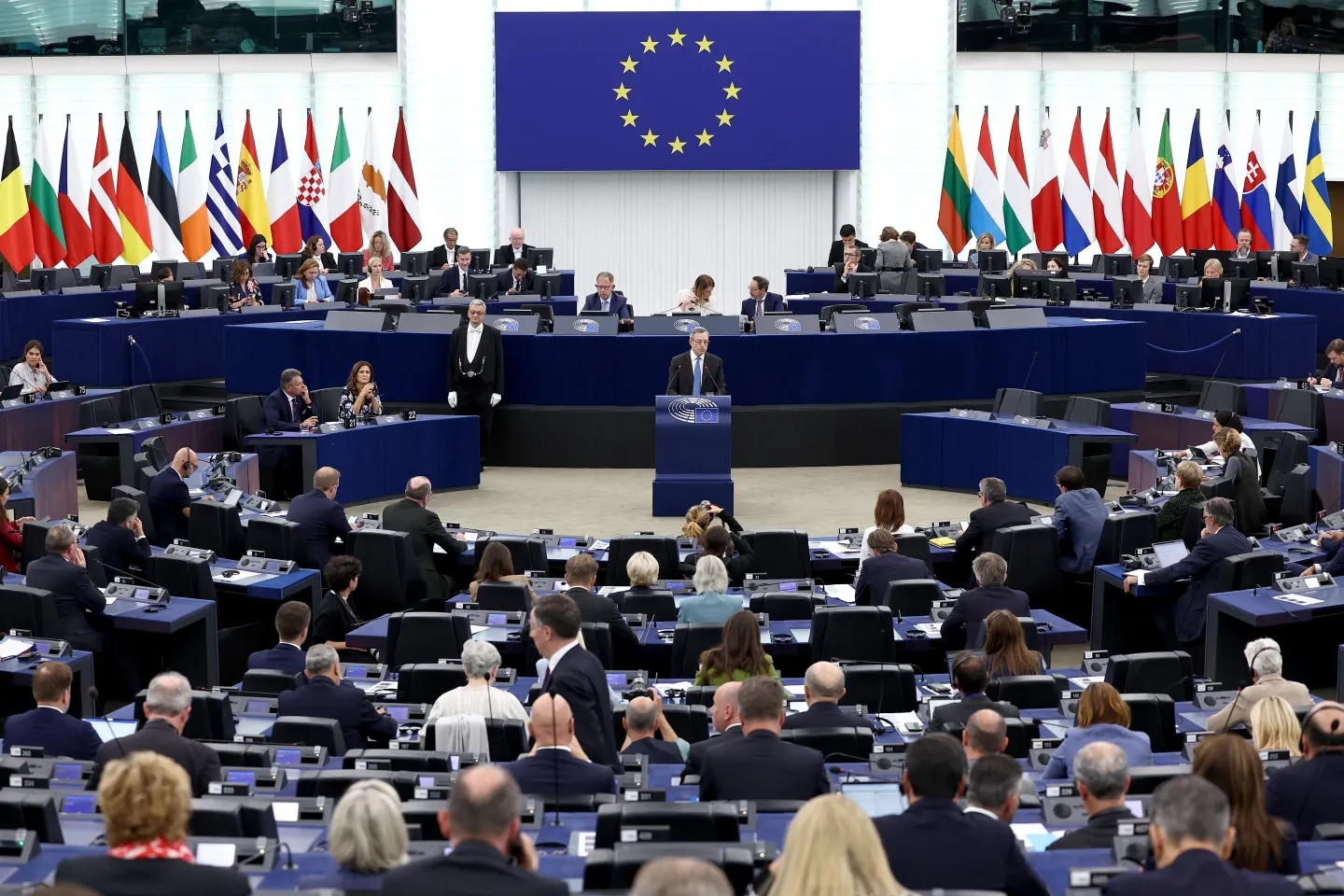
 Some of the most prominent artificial intelligence models are falling short of European regulations in key areas such as cybersecurity resilience and discriminatory output, according to data seen by Reuters. A new tool, which has been welcomed by European Union officials, has tested generative AI models developed by big tech companies like Meta tab and OpenAI across dozens of categories, in line with the bloc’s wide-sweeping AI Act, which is coming into effect in stages over the next two years.


 The IFRRO general assembly this week has been comprised of 150 members from 80 nations, and from that plenary, the organization has issued a statement that calls the recommendations of Access Copyright and Copibec, an ”initiative intended “to restore a viable market for the reproduction of copyrighted works in the Canadian educational environment, in line with international copyright commitments.”
 Novelist Christopher Farnsworth has filed a proposed class-action copyright lawsuit against Meta Platforms (META.O), opens new tab accusing the tech giant of misusing his books and others to train its Llama artificial-intelligence large language model. Farnsworth said in the lawsuit, opens new tab on Tuesday that Meta fed Llama, which powers its AI chatbots, thousands of pirated books to teach it how to respond to human prompts.