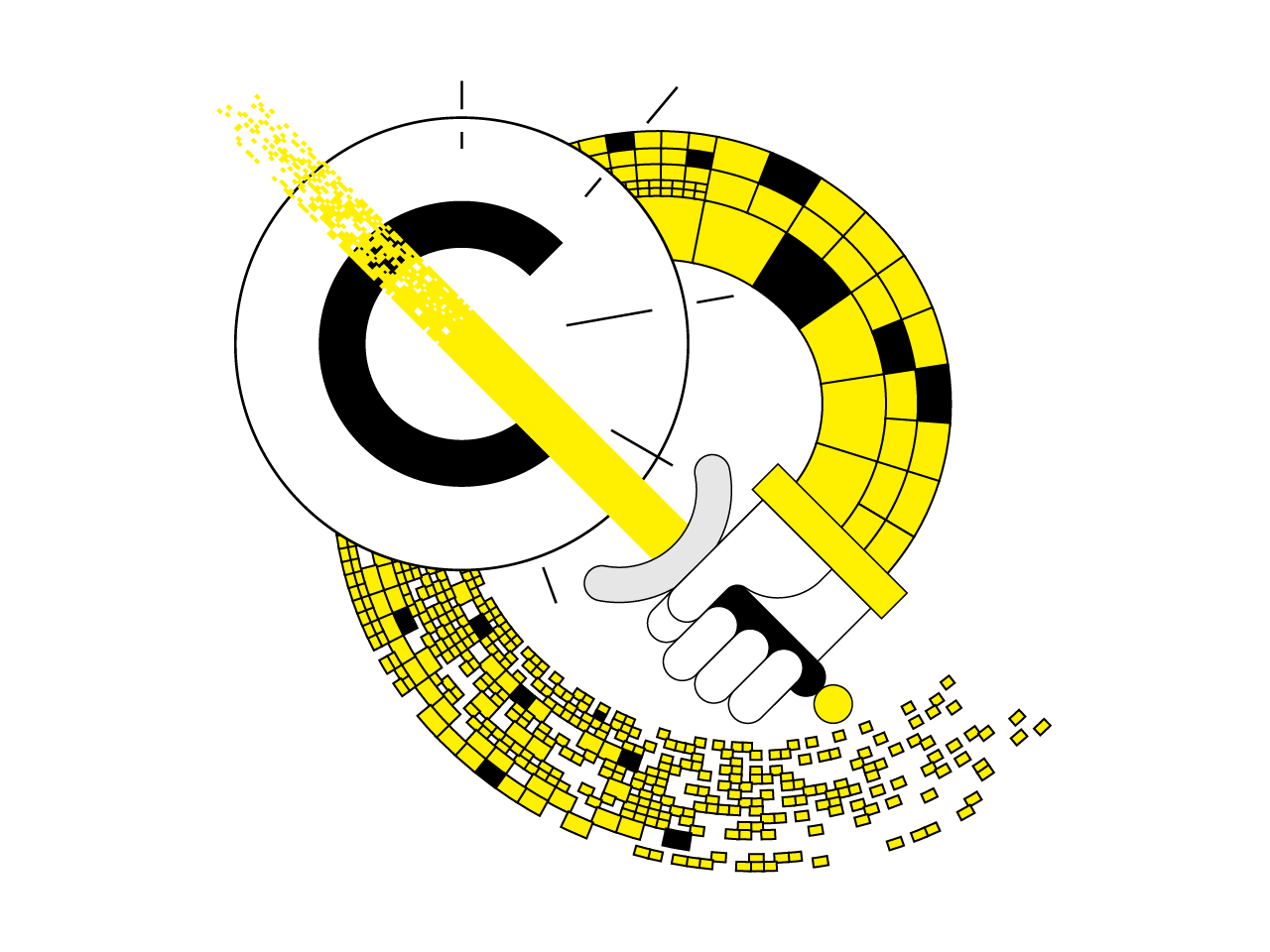
 Ministers are planning a fresh round of reviews they hope will mollify lawmakers nervous about controversial plans to overhaul U.K. copyright laws to facilitate AI innovation. The reviews will focus on finding technical ways to allow creators to easily and effectively “opt out” from AI companies training models on their work without permission and have more clarity about when their work has been used. However, technical solutions could take several months to emerge.
Source: UK plans fresh round of talks to take sting out of AI copyright proposals
 Tony Blair’s thinktank has urged the UK to relax copyright laws in order to let artificial intelligence firms build new products, as it warned a tougher approach could strain the transatlantic relationship. “Without similar provisions in the United States, it would be hard for the UK government to enforce strict copyright laws without straining the transatlantic relationship it has so far sought to nurture.”

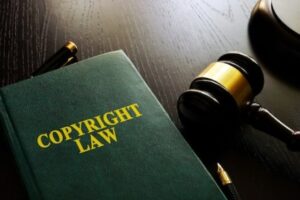 A federal judge on Wednesday rejected OpenAI’s request to toss out a copyright lawsuit from The New York Times that alleges that the tech company exploited the newspaper’s content without permission or payment. In an order allowing the lawsuit to go forward, Judge Sidney Stein, of the Southern District of New York, narrowed the scope of the lawsuit but allowed the case’s main copyright infringement claims to go forward.
 As reported earlier today (March 26), a federal judge in California shot down a request from UMG and the other music publishers (including Concord and ABCKO) to block the AI company from using song lyrics to train its AI models. Importantly, the court did, however, issue two separate but related discovery orders on March 25 – granting Universal and the other publisher plaintiffs significant investigative tools to potentially improve their legal arguments.
 A lawsuit filed by several authors against Meta centers on Meta’s alleged use of pirated books for AI training data and the technical details of BitTorrent. Yesterday, Meta filed a motion for summary judgment, while countering the authors’ request to resolve the copyright claims in their favor. Meta’s request includes new information, including the revelation that its uploads of ‘pirate’ library data were roughly 30% of the data it downloaded.
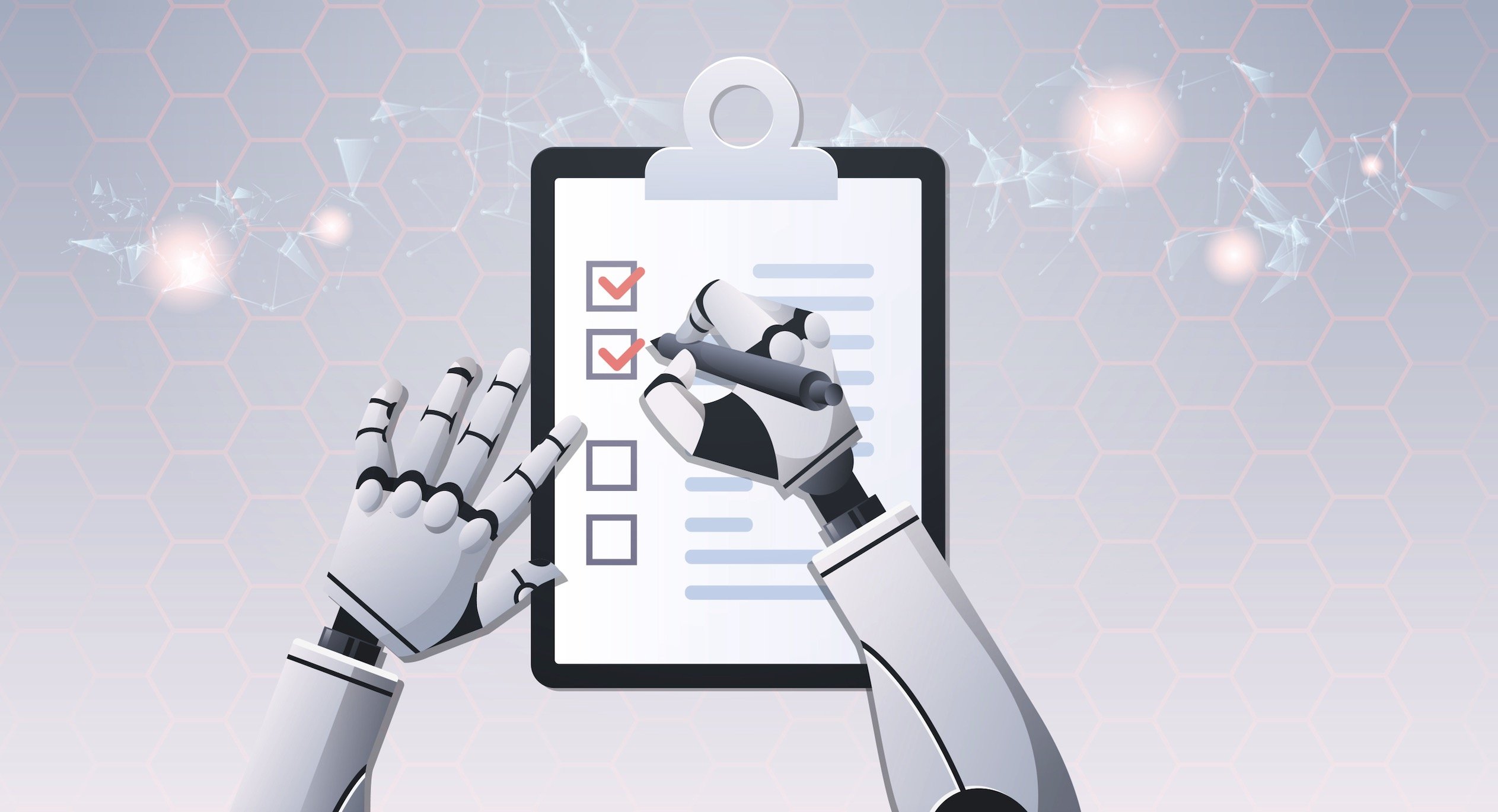
 In recent weeks, Meta, Google, OpenAI and others have asked the Trump administration to block state A.I. laws and to declare that it is legal for them to use copyrighted material to train their A.I. models. They are also lobbying to use federal data to develop the technology, as well as for easier access to energy sources for their computing demands. And they have asked for tax breaks, grants and other incentives.
