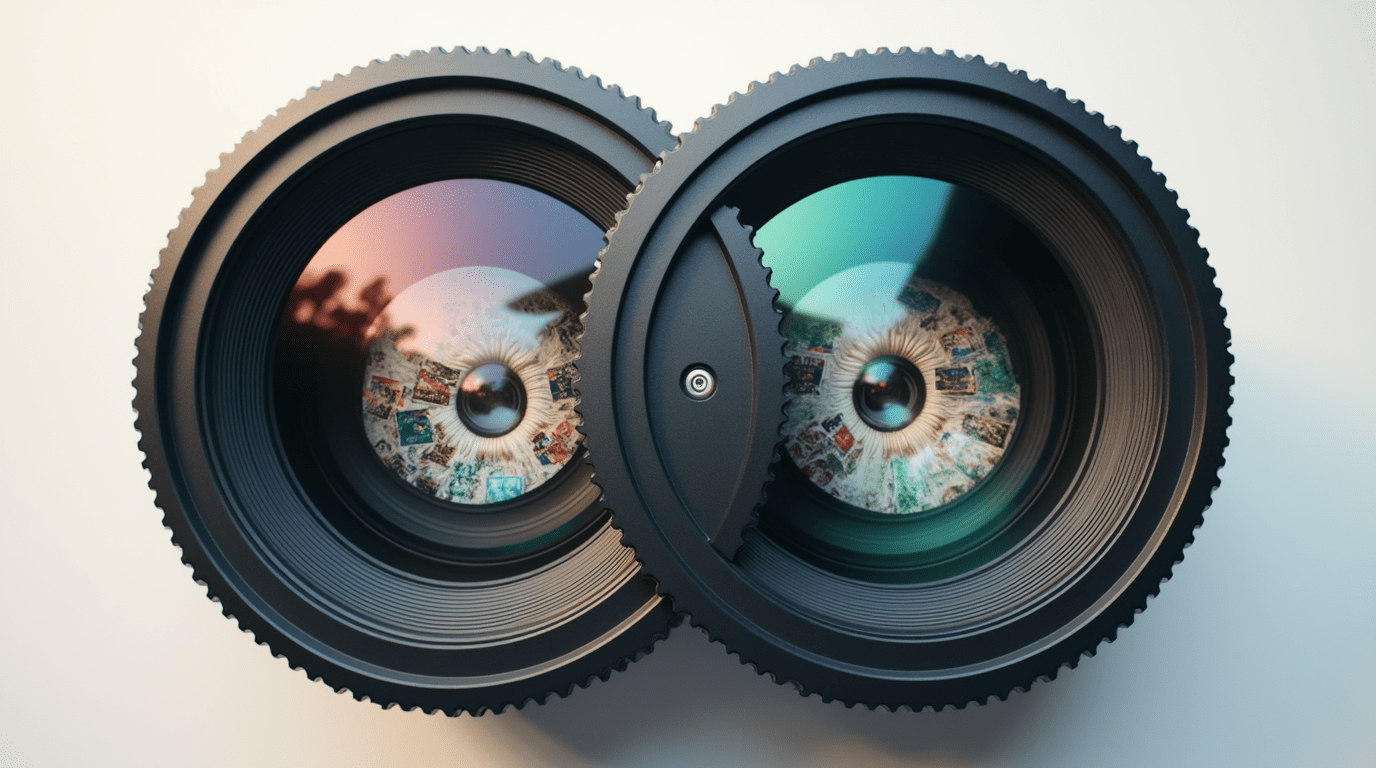
 From AI‑generated product shots slipping into online catalogs, to manipulated photos influencing legal disputes, the trustworthiness of visual content has never been more in question. In an environment where seeing is no longer believing, brands, media organizations, and cultural institutions can no longer afford to ignore the issue of content authenticity.
Source: Introducing the Authenticity & Content Provenance Maturity Model – Kaptur

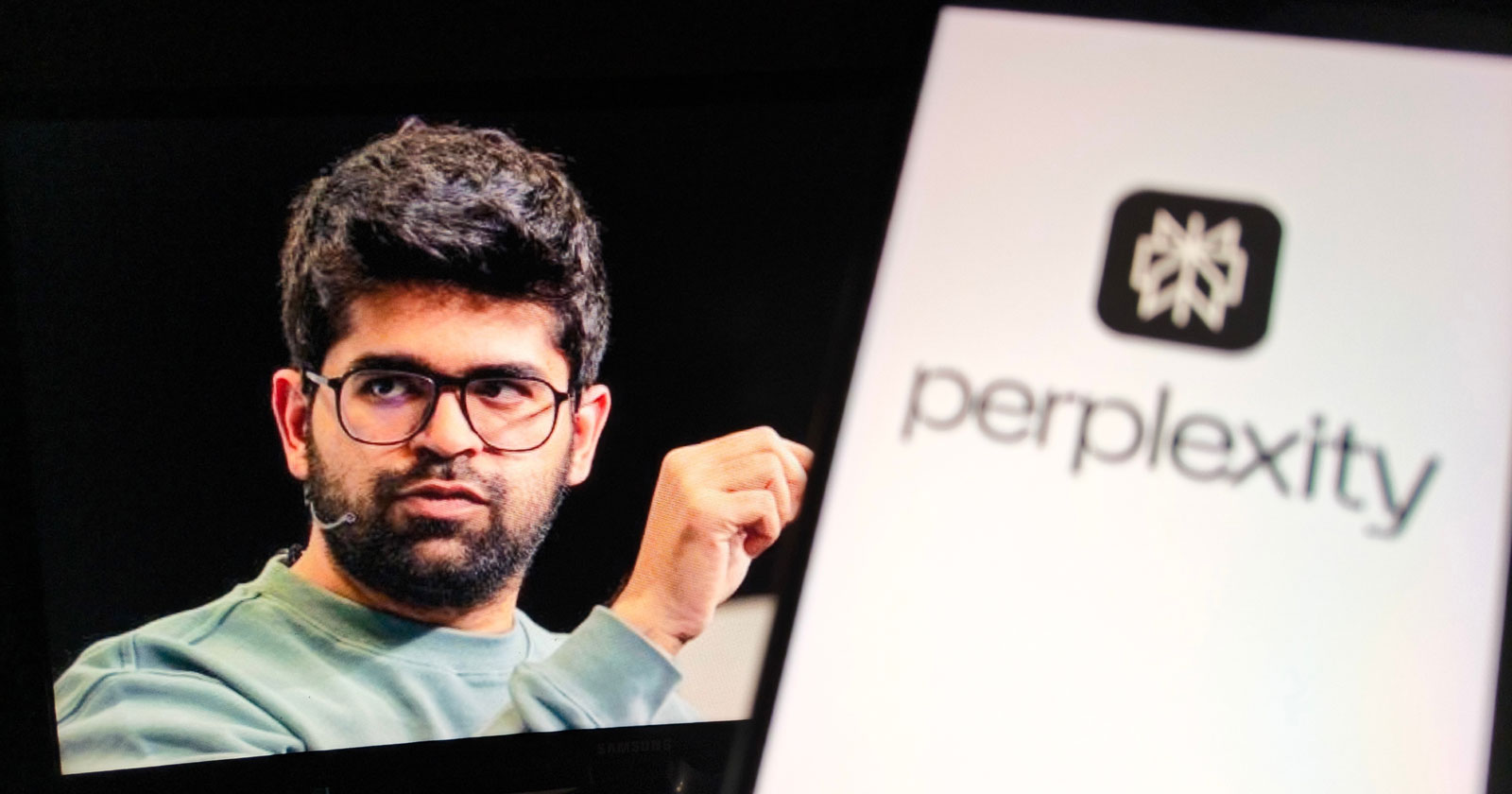
 The commission, in its interim report into “harnessing data and the digital economy”, used copyright as a case study for how Australia’s existing regulatory framework could be adapted to manage the risks of artificial intelligence. A key recommendation was that the federal government should conduct a sweeping review of regulations to plug potential gaps that could be exploited by “bad actors” using AI.
 The opt-in agreement between Kobalt and $3.3 billion-valued Eleven Labs establishes what sources describe as “parity” between publishing and recorded music revenues. Each side will receive an approximate 50/50 split of royalties generated from the AI platform. Eleven Music’s basic tier is trained on production music, but a forthcoming ‘Eleven Music Pro’ offering will soon be trained on cleared catalog from Kobalt and Merlin.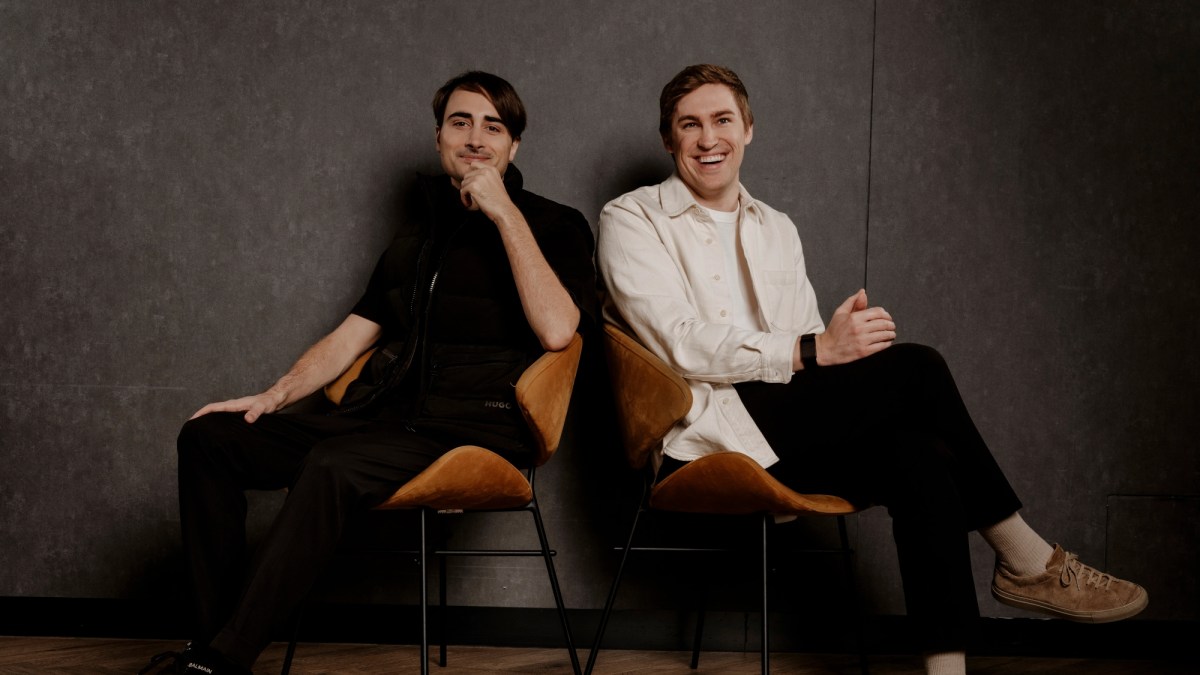
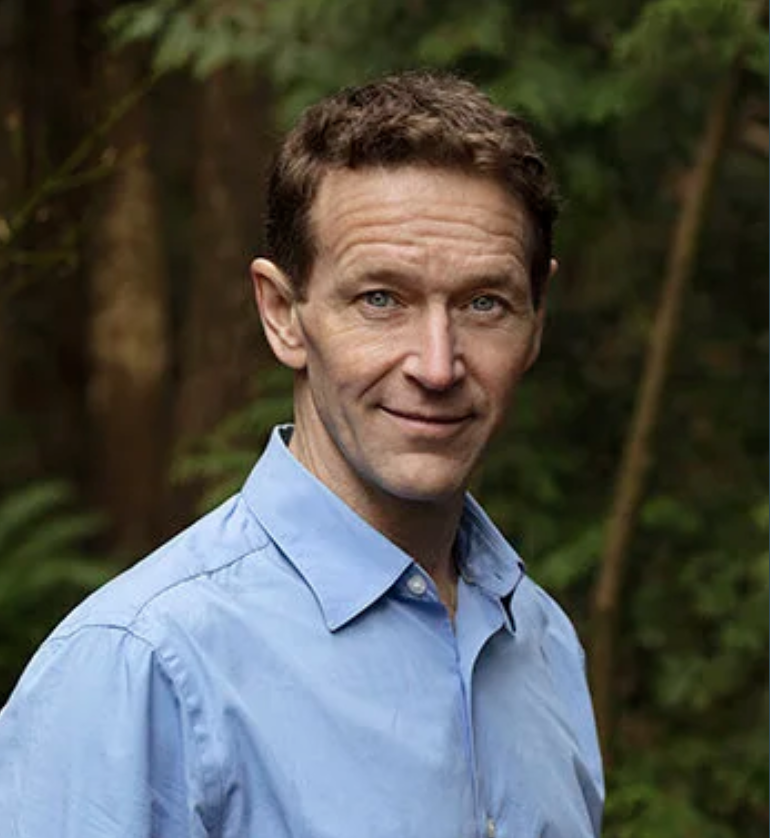
 A deepfake Dwayne Johnson is just one part of a broader technological earthquake hitting Hollywood. Studios are scrambling to figure out simultaneously how to use AI in the filmmaking process and how to protect themselves against it. While executives see a future where the technology shaves tens of millions of dollars off a movie’s budget, they are grappling with a present filled with legal uncertainty.