Headlines

SDNY Judge Denies OpenAI Bid To Strike Authors’ Book-Download Claim 

OpenAI has suffered a legal setback in its copyright battle, as a federal judge ruled that authors can pursue claims the company unlawfully downloaded their books. U.S. District Judge Sidney H. Stein denied OpenAI’s motion to strike what the company characterized as a new “download claim” in a ruling Monday, finding that prior complaints adequately notified OpenAI of infringement allegations based on downloading and reproducing copyrighted books.

Source: SDNY Judge Denies OpenAI Bid To Strike Authors’ Book-Download Claim – Decrypt
Big Tech’s EU lobby budgets hit record levels

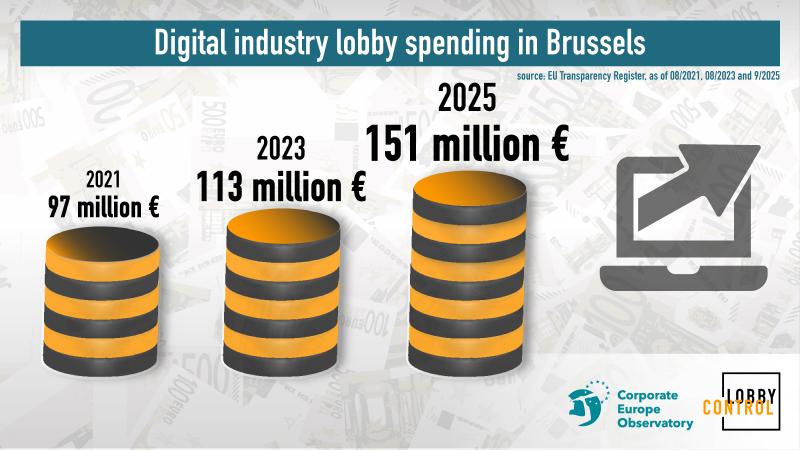
The digital industry’s lobby spending has grown from a 2023 spend of €113 million to €151 million annually today – an increase of 33.6 per cent in just two years. This increase is even more pronounced when compared with 2021, when Corporate Europe Observatory and LobbyControl first mapped the tech industry’s firepower, showing a 55.6 per cent increase in just four years.

Source: Big Tech lobby budgets hit record levels

Udio’s bid to dismiss claims of ‘illegal scraping’ contains ‘fatal flaws,’ labels say

In a memorandum filed in a federal court in New York on Friday (October 24), lawyers for the record labels said Udio’s motion “mischaracterizes” the labels’ legal arguments “and the legal landscape.” The labels, representing all three of the major recording companies, amended their complaint against Udio in September, adding allegations that the AI company “illegally scraped” YouTube videos in order to collect content on which to train its AI models.

Source: Udio’s bid to dismiss claims of ‘illegal scraping’ from YouTube contains ‘fatal flaws,’ record labels say

Musicians’ heirs hit out at AI deepfakes as ‘digital grave robbing’

The debates about how AI technology should be regulated continue, with the latest views coming from a group of organizations and heirs representing musicians who are no longer alive – Bill Withers, Cass Elliott, David Rose and Alex North included. Gathered by veteran attorney Chris Castle and the Artist Rights Institute, they have made a joint filing to the White House’s consultation on AI regulation, which has been fielding the views of tech giants and music-industry bodies alike.

Source: Musicians’ heirs hit out at AI deepfakes as ‘digital grave robbing’

Australia’s Social Media Ban is Coming Fast—Here’s The Impact

Instagram owner Meta, TikTok owner ByteDance, and Snapchat owner Snap confirmed they will comply with an Australian ban on users under the age of 16. The social media firms said they will start deactivating accounts once the law goes into effect on December 10. All three firms said in parliament that they continue to believe the ban would not protect young people.

Source: Australia’s Social Media Ban is Coming Fast—Here’s The Impact

White House urges SCOTUS to overturn lower court order reinstating Register of Copyrights 

The Trump administration on Monday afternoon asked the Supreme Court to pause an order by a federal appeals court in Washington, D.C., that temporarily reinstated the top U.S. copyright official after her firing earlier this year. U.S. Solicitor General D. John Sauer called the ruling by the U.S. Court of Appeals for the District of Columbia Circuit “another case of improper judicial interference with the President’s power to remove executive officers.”

Source: Trump administration urges Supreme Court to overturn lower court order reinstating federal official

The music industry remains divided on generative AI. Where will that leave us?

The most notable differences in AI strategies are between the major labels and independents. While the majors are working to find solutions that allow for responsible Gen AI use and drive new licensing revenue, many independent artists and smaller labels are firmly against any use of Gen AI in music.  However, there are divides even within these factions.

Source: The music industry remains divided on generative AI. Where will that leave us?

How AI is turning Creative Commons on its head

The “Creative Commons” model of copyright licensing is inextricably linked with the rise of the internet since the early 2000s. However, the advent of generative AI is proving a stress test to its philosophy of the open sharing of creative work. Large Language Models harvest public content at scale, often stripping out any reference to the original creator and ignoring their wish to share their work reciprocally.

Source: How AI is turning Creative Commons on its head

Federal Judge Rules Texas Book Ratings Law Unconstitutional

After two years of litigation over Texas House Bill 900, a federal judge has granted summary judgment and ordered a permanent injunction to block the mandatory book ratings law. In his October 21 decision, Judge Alan D. Albright of the U.S. District Court for the Western District of Texas, Austin division, wrote that HB 900 “compels speech, is void for vagueness, and is an unconstitutional prior restraint.”

Source: Federal Judge Rules Texas Book Ratings Law Unconstitutional

OpenAI, valued at $500bn, reportedly working on generative AI music tool

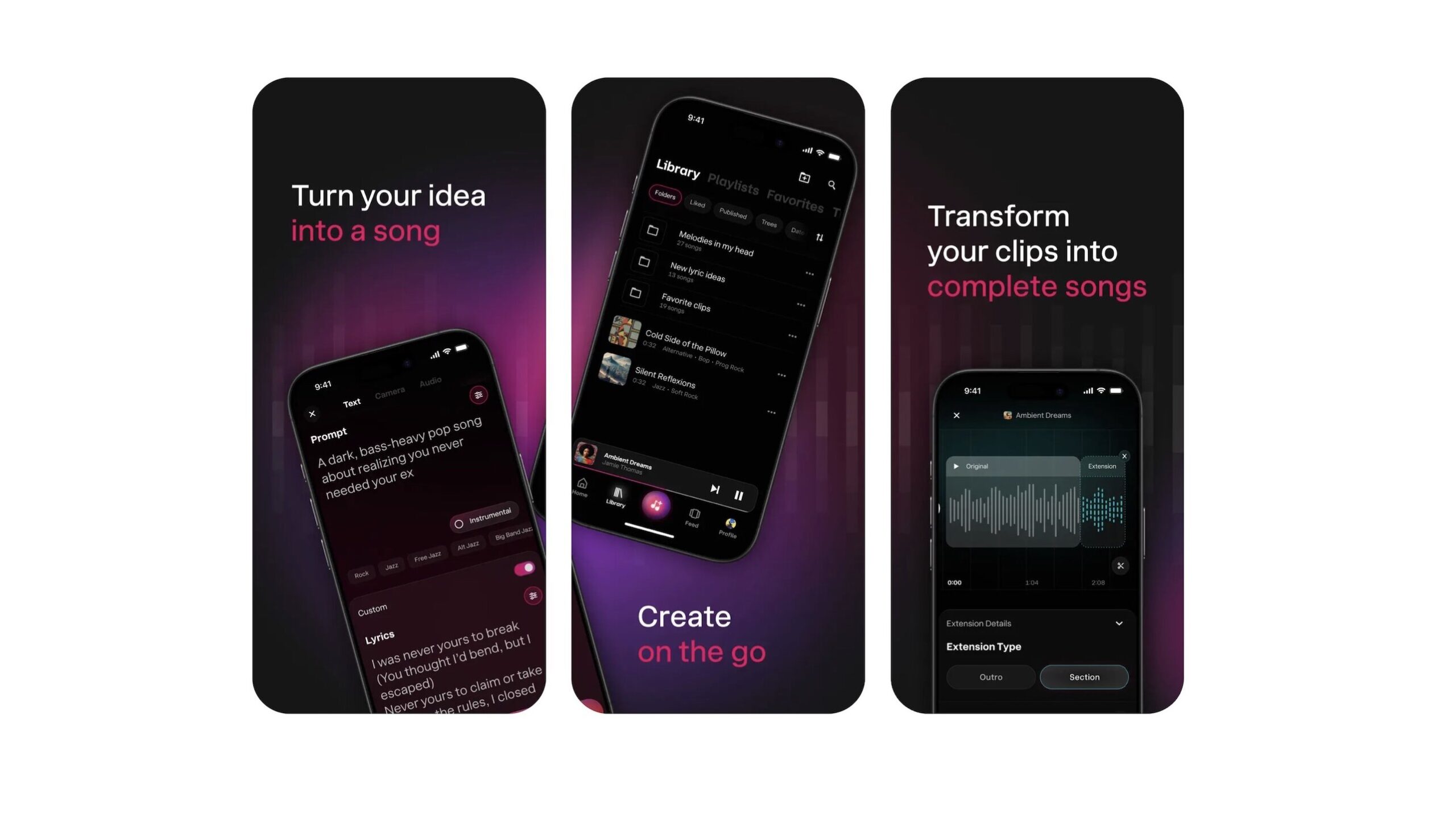
OpenAI is planning to enter the generative AI music space, according to a report at The Information, which says the company is working on a tool that can create music from text or audio prompts. That would bring OpenAI into an increasingly crowded field of AI music generation platforms, which include Suno and Udio – notorious within the music industry for having been sued by the record majors for alleged widespread copyright infringement in training its AI.

Source: OpenAI, valued at $500bn, reportedly working on generative AI music tool

Get the latest RightsTech news and analysis delivered directly in your inbox every week
We respect your privacy.