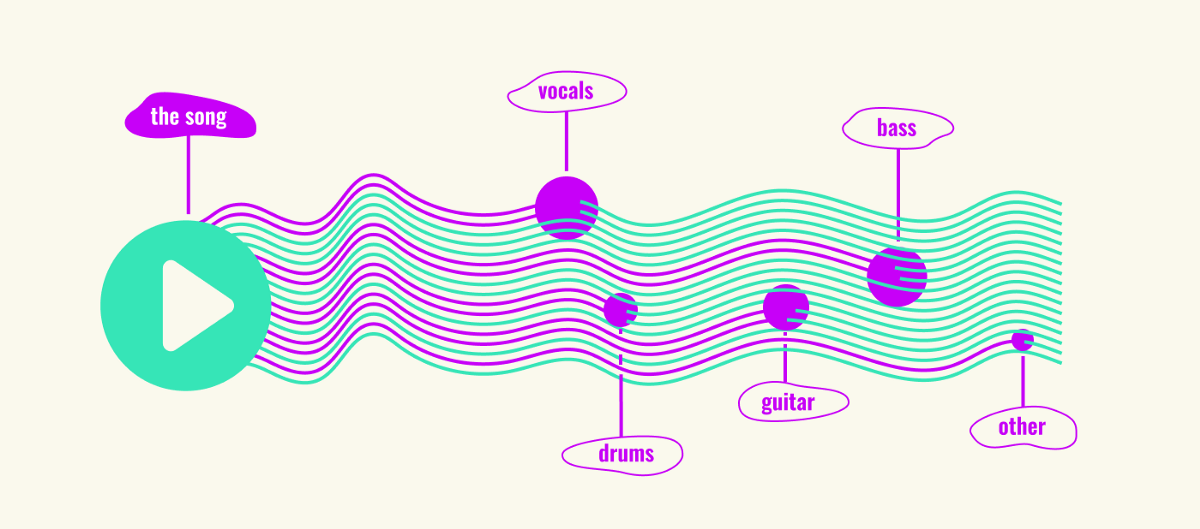
 Disney Music Group is the latest label using AI startup Audioshake’s stem-separation technology for its catalogue. In DMG’s case, it’s to go back to recordings which don’t have stems available, and create them for sync licensing, remastering, spatial audio and other modern-day uses. The partnership is not a big surprise, as Audioshake was one of the startups in the 2024 Disney Accelerator program – so there’s already a relationship between the two companies.
Source: Disney Music Group taps Audioshake for AI stem separation
 YouTube Music is introducing two new ways to boost song discovery on its platform. YouTube announced on Monday that it’s experimenting with an AI-generated conversational radio feature, and rolling out a new Shazam-like tool to help users discover the name of a song by singing, humming or playing parts of it.
 Copyright Clearance Center (CCC) has launched a collective licensing solution for the internal use of copyrighted materials in AI systems. The new service, which became available July 1, is an addition to CCC’s existing Annual Copyright Licenses (ACL) service and aims to provide a streamlined method for companies to access a consistent set of rights across multiple rightsholders, while ensuring compensation for content creators.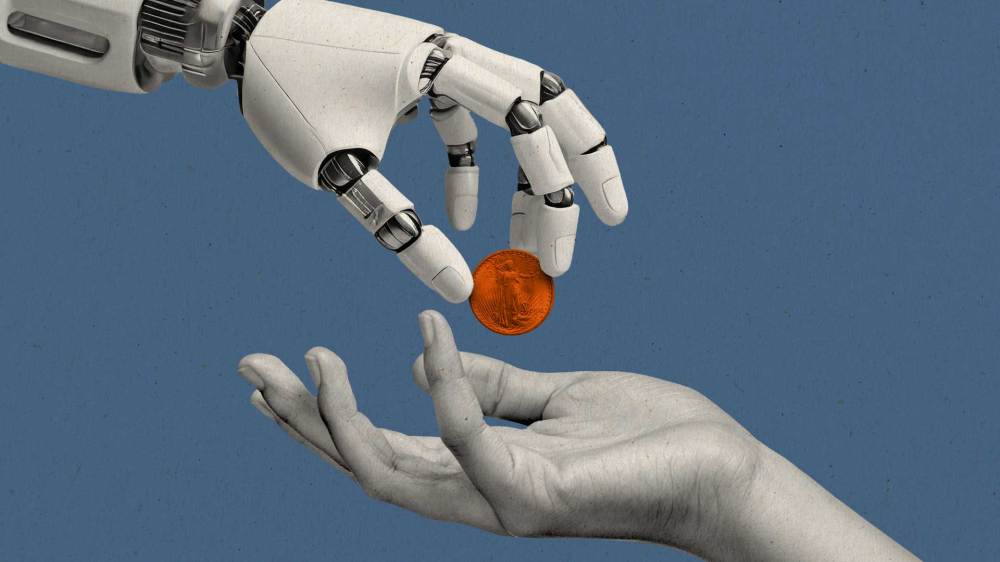

 Music industry giant Downtown Music Holdings is reportedly exploring a potential sale and has been in talks with private equity firms and at least one major music company. Downtown, which oversees popular platforms like CD Baby and FUGA and represents high-profile artists such as John Lennon, Yoko Ono, Miles Davis, and Wu-Tang Clan, has experienced changes in recent years. The company has been shifting focus in recent years from owning copyrights to providing services for copyright holders.
 Microsoft has relinquished its seat as an observer on the board of ChatGPT maker OpenAI, as regulators on both sides of the Atlantic scrutinize the partnership between the tech giant and the artificial-intelligence startup. In a letter sent Tuesday to the AI company led by Sam Altman, Microsoft said it resigned with immediate effect because it believed OpenAI’s board had gained stability, meaning Microsoft’s involvement was no longer necessary.